Clinical Retinol Alternatives: Bakuchiol vs. Copper Peptides
Clinical Retinol Alternatives: Comparing Bakuchiol and Copper Peptides After 8 Weeks of Use provides a comprehensive look into these popular ingredients, highlighting their mechanisms and observed benefits for skin rejuvenation.
Exploring Clinical Retinol Alternatives: Comparing Bakuchiol and Copper Peptides After 8 Weeks of Use offers a crucial insight for those seeking effective anti-aging solutions without the potential drawbacks of traditional retinol. This article delves into how these innovative ingredients work, their unique benefits, and what you can realistically expect from consistent application over an eight-week period, helping you make an informed choice for your skincare regimen.
Understanding retinol and the demand for alternatives
Retinol, a derivative of vitamin A, has long been hailed as the gold standard in anti-aging skincare. Its efficacy in reducing wrinkles, improving skin texture, and evening skin tone is well-documented. However, its potent nature often comes with a trade-off: potential irritation, redness, dryness, and increased sun sensitivity. These side effects can be particularly challenging for individuals with sensitive skin, leading many to seek gentler yet equally effective alternatives.
The demand for these alternatives stems from a desire for powerful results without the associated discomfort. Consumers are increasingly looking for ingredients that can deliver similar anti-aging benefits—such as stimulating collagen production, accelerating cell turnover, and reducing hyperpigmentation—but with a more favorable tolerability profile. This search has brought ingredients like bakuchiol and copper peptides into the spotlight, positioning them as viable contenders in the realm of clinical-grade skincare.
The mechanism of action of traditional retinol
Retinol works by penetrating the skin and converting into retinoic acid, which then binds to specific receptors within skin cells. This binding process triggers a cascade of cellular responses, including:
- Increased cell turnover, helping to shed old, damaged skin cells and reveal newer, healthier ones.
- Stimulation of collagen and elastin production, which are essential proteins for maintaining skin firmness and elasticity.
- Reduction in the appearance of fine lines and wrinkles by plumping the skin.
- Diminishment of hyperpigmentation and dark spots by inhibiting melanin production.
While these mechanisms are highly effective, the initial adjustment period can be harsh for some. The skin often needs time to acclimate to retinoic acid, leading to the common side effects that drive the search for alternatives.
The quest for alternatives is not merely about avoiding irritation; it also encompasses lifestyle considerations. Retinol's recommendation for nighttime use and strict sun protection can be inconvenient for some. Pregnancy and breastfeeding are also contraindications for retinol use, further expanding the market for safe, effective substitutes. This broader context makes the exploration of ingredients like bakuchiol copper peptides particularly relevant for a diverse range of skincare enthusiasts.

In conclusion, while retinol remains a powerful ingredient, the landscape of skincare is evolving to meet the needs of a wider audience. The emergence of alternatives that promise similar benefits with fewer downsides is a significant development, offering more options for achieving healthy, youthful-looking skin.
Introducing bakuchiol: The plant-based retinol alternative
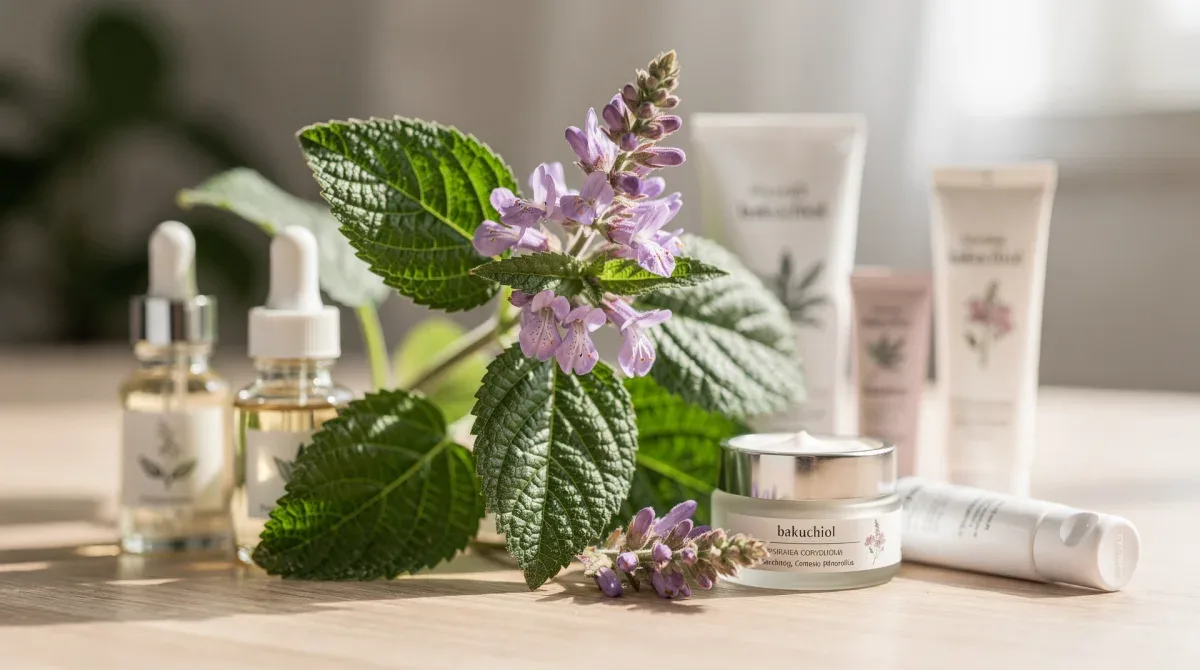
Bakuchiol, often heralded as nature's answer to retinol, is a plant-derived compound found in the seeds and leaves of the Psoralea corylifolia plant. It has been used for centuries in traditional Ayurvedic and Chinese medicine for its various therapeutic properties. In modern skincare, bakuchiol has gained immense popularity due to its remarkable ability to mimic many of retinol's benefits without the typical irritation.
This botanical powerhouse works through a different pathway than retinol, yet achieves similar impressive results. It's a game-changer for individuals who have previously found retinol too harsh or wish to use a more natural alternative. Studies have shown that bakuchiol can significantly improve skin concerns, making it a strong contender in the anti-aging category.
How bakuchiol works in the skin
Bakuchiol operates by stimulating different genes in the skin that are responsible for collagen and elastin production. Unlike retinol, it doesn't directly interact with retinoic acid receptors. Instead, it activates certain signaling pathways that lead to similar skin-renewing effects. Key actions include:
- Collagen synthesis: Bakuchiol promotes the production of type I and III collagen, which are crucial for maintaining skin structure and firmness.
- Reduced inflammation: It possesses anti-inflammatory properties that help soothe the skin and reduce redness, making it suitable for sensitive skin types.
- Antioxidant protection: As a potent antioxidant, bakuchiol helps protect the skin from free radical damage, a major contributor to premature aging.
- Improved cell turnover: While gentler than retinol, bakuchiol still aids in skin cell regeneration, contributing to a smoother, more refined complexion.
These multifaceted benefits make bakuchiol an excellent choice for those looking to address signs of aging without the typical retinol-induced sensitivity. Its plant-based origin also appeals to consumers seeking natural and vegan-friendly skincare options.
Over an 8-week period, users of bakuchiol typically report noticeable improvements in skin texture, a reduction in the appearance of fine lines, and a more even skin tone. The absence of significant irritation allows for consistent daily use, which is key to achieving and maintaining these results. Many find it pairs well with other active ingredients, further enhancing its appeal as a versatile addition to any skincare routine. The gentle yet effective nature of bakuchiol positions it as a leading choice among bakuchiol copper peptides alternatives.
In summary, bakuchiol offers a compelling plant-based alternative to retinol, delivering comparable anti-aging benefits through its unique mechanism of action, all while maintaining a high tolerability profile for various skin types.
The power of copper peptides in skin rejuvenation
Copper peptides are another fascinating class of ingredients that have garnered significant attention as a retinol alternative. These small protein fragments, composed of copper ions bonded to amino acids, are naturally present in the human body and play a crucial role in various physiological processes, including wound healing and tissue regeneration. In skincare, they are celebrated for their remarkable ability to promote skin repair and rejuvenation.
The discovery of copper peptides' skin-benefiting properties dates back to the 1970s, but their application in cosmetic formulations has evolved significantly, leading to highly effective products. They offer a unique approach to anti-aging, focusing on the skin's natural healing and regenerative capabilities.
How copper peptides enhance skin health
Copper peptides exert their profound effects through several key mechanisms:
- Collagen and elastin production: They stimulate fibroblasts to produce collagen and elastin, leading to firmer, more elastic skin and a reduction in the appearance of wrinkles.
- Antioxidant defense: Copper is a vital cofactor for superoxide dismutase (SOD), a powerful antioxidant enzyme that protects skin cells from oxidative damage caused by free radicals.
- Anti-inflammatory action: Copper peptides possess anti-inflammatory properties that can help calm irritated skin and reduce redness, promoting a healthier skin barrier.
- Wound healing and repair: They accelerate wound healing, reduce scarring, and improve overall skin texture by supporting the skin's natural repair processes.
- Improved microcirculation: Some studies suggest that copper peptides can enhance blood flow to the skin, delivering more nutrients and oxygen, which contributes to a healthier, more radiant complexion.
These diverse actions make copper peptides a versatile ingredient, addressing multiple signs of aging and skin damage. Their ability to support the skin's inherent repair mechanisms makes them particularly appealing for those looking to restore and maintain skin vitality.
After an 8-week period, users of copper peptides often report noticeable improvements in skin firmness, elasticity, and overall radiance. The reduction in the appearance of fine lines and a more even skin tone are also commonly observed benefits. Unlike retinol, copper peptides are generally well-tolerated by most skin types, including sensitive skin, and can be used both morning and night. This makes them a highly adaptable ingredient in any skincare regimen, standing out in the discussion of bakuchiol copper peptides.
In essence, copper peptides harness the body's natural regenerative processes to deliver significant anti-aging and skin-repairing benefits, offering a potent yet gentle solution for comprehensive skin rejuvenation.
Clinical comparison: Bakuchiol vs. copper peptides after 8 weeks
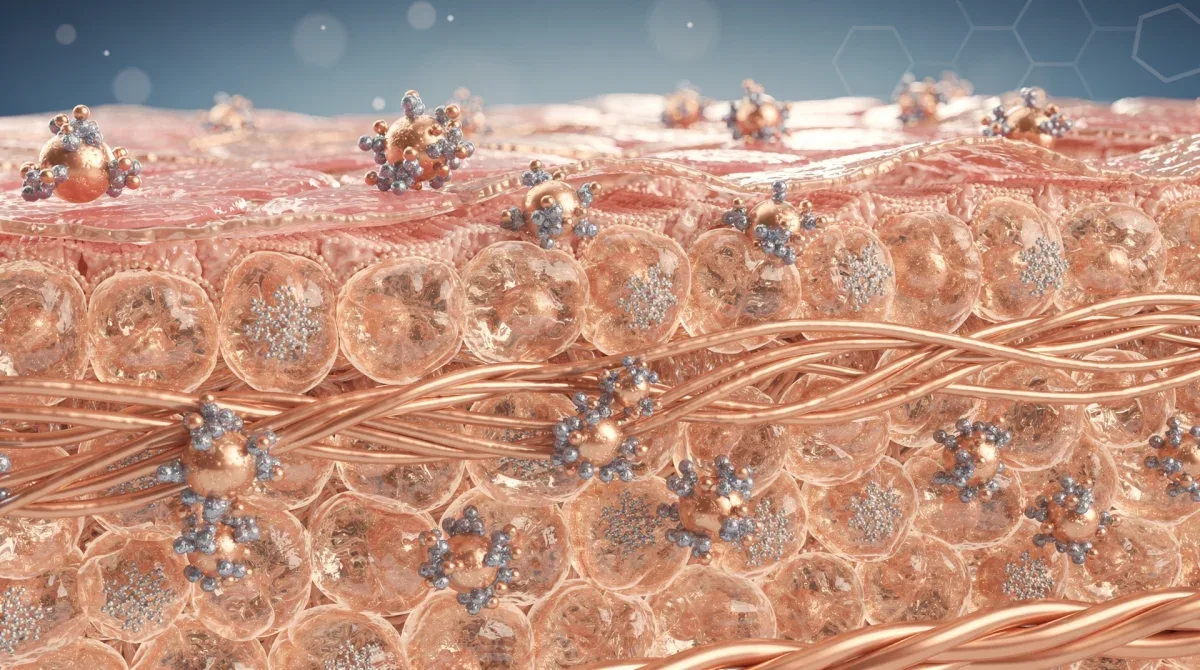
The true test of any skincare ingredient lies in its clinical efficacy over a sustained period. When comparing bakuchiol and copper peptides, an 8-week trial period offers a realistic timeframe to observe significant and measurable changes in the skin. While both are celebrated as retinol alternatives, their specific benefits and how they manifest over this period can differ, making the choice dependent on individual skin concerns and goals.
Both ingredients have been subject to various studies, often demonstrating impressive results. The key is to understand their distinct strengths and how they address different aspects of skin aging and health. This comparison helps in making an informed decision for your personal skincare journey.
Observed effects of bakuchiol after 8 weeks
Clinical studies and user testimonials consistently highlight several improvements when using bakuchiol for 8 weeks:
- Fine lines and wrinkles: A significant reduction in the depth and appearance of fine lines and wrinkles is commonly reported, similar to the effects of retinol but with less irritation.
- Skin texture and smoothness: Users often notice a smoother, more refined skin texture due to improved cell turnover and collagen production.
- Hyperpigmentation: Bakuchiol has been shown to help lighten dark spots and even out skin tone, contributing to a more radiant complexion.
- Reduced redness and inflammation: Its anti-inflammatory properties help soothe the skin, making it an excellent choice for those prone to sensitivity.
These benefits, achieved without the typical retinol side effects, underscore bakuchiol's position as a powerful yet gentle anti-aging ingredient. Consistent application is crucial for these results to become apparent.
Observed effects of copper peptides after 8 weeks
Similarly, an 8-week regimen with copper peptides yields distinct and impressive results:
- Skin firmness and elasticity: Significant improvements in skin firmness and elasticity are often observed, attributed to enhanced collagen and elastin synthesis.
- Wound healing and scar reduction: For those with past blemishes or minor skin damage, copper peptides accelerate healing and can reduce the visibility of scars.
- Overall skin regeneration: Users typically experience a boost in the skin's regenerative capacity, leading to healthier, more resilient skin.
- Antioxidant protection: The skin's defense against environmental damage is strengthened, contributing to long-term skin health.
The focus of copper peptides often leans more towards repair and regeneration, making them particularly beneficial for skin that needs a boost in its natural healing processes. The comparative efficacy of bakuchiol copper peptides truly depends on the primary skin concern one wishes to address.
In conclusion, both bakuchiol and copper peptides offer compelling benefits after 8 weeks of use, but they cater to slightly different primary concerns. Bakuchiol excels in addressing typical signs of aging with a focus on texture and tone, while copper peptides shine in enhancing skin firmness, elasticity, and overall regenerative capacity.
Synergy and combination strategies for optimal results
While bakuchiol and copper peptides each offer impressive benefits individually, combining them can unlock a synergistic effect, potentially leading to even more comprehensive and enhanced anti-aging results. The beauty of these two ingredients lies in their complementary mechanisms of action; where one excels, the other often provides additional support, creating a robust defense against various signs of aging.
Integrating both into a skincare routine allows for a multi-pronged approach, addressing everything from fine lines and texture to firmness and overall skin health. This strategic combination can be particularly beneficial for those seeking maximal benefits without the harshness of traditional retinol.
Why combine bakuchiol and copper peptides?
The rationale behind combining these two powerful ingredients is rooted in their distinct yet complementary functions:
- Comprehensive anti-aging: Bakuchiol targets fine lines, wrinkles, and hyperpigmentation by promoting collagen and improving cell turnover, while copper peptides focus on enhancing firmness, elasticity, and the skin's natural repair processes. Together, they offer a holistic approach to skin rejuvenation.
- Enhanced collagen synthesis: Both ingredients stimulate collagen production through different pathways, potentially leading to a more significant and sustained increase in collagen levels.
- Reduced irritation and increased tolerability: Both are known for their gentle nature compared to retinol. Combining them allows for potent anti-aging effects without increasing the risk of irritation, making the routine suitable for sensitive skin.
- Antioxidant boost: Bakuchiol provides direct antioxidant protection, while copper is a cofactor for key antioxidant enzymes. This dual action strengthens the skin's defense against environmental stressors.
By leveraging the strengths of both, users can achieve a more youthful, resilient, and radiant complexion. The combination of bakuchiol copper peptides creates a powerful duo for anti-aging.
How to incorporate them into your routine
Integrating bakuchiol and copper peptides into your daily skincare regimen requires a thoughtful approach to maximize their benefits. Here are some strategies:
One common method is to use them at different times of the day. For instance, you could apply a copper peptide serum in the morning, followed by your moisturizer and SPF. Copper peptides are known to be stable and beneficial during the day, supporting skin repair and antioxidant defense against daily environmental aggressors. In the evening, after cleansing and toning, you could apply a bakuchiol serum or cream. Bakuchiol works effectively overnight to stimulate cell turnover and collagen production, helping to repair and rejuvenate the skin while you sleep. This separation ensures each ingredient can perform optimally without potential interactions, though generally, they are considered compatible.
Another approach is to layer them. If you choose to layer, it's generally recommended to apply the thinner, water-based serum first, followed by thicker creams or oils. For example, if you have a copper peptide serum and a bakuchiol cream, apply the serum first and allow it to fully absorb before applying the cream. Always patch test new combinations to ensure your skin tolerates them well. Consulting with a dermatologist can also provide personalized advice, especially for those with specific skin concerns or conditions.
In conclusion, the synergistic combination of bakuchiol and copper peptides offers a comprehensive and gentle approach to anti-aging, allowing individuals to achieve optimal skin rejuvenation by harnessing the unique strengths of each ingredient.
Choosing the right alternative for your skin concerns
Deciding between bakuchiol and copper peptides, or even opting for a combination, ultimately depends on your specific skin concerns, goals, and sensitivity levels. Both ingredients are excellent retinol alternatives, but they excel in slightly different areas. Understanding these distinctions is key to tailoring a skincare routine that delivers the most impactful results for your unique complexion.
This decision-making process involves a careful assessment of what you want to achieve and how your skin typically reacts to active ingredients. There's no one-size-fits-all answer, but rather an informed choice based on personalized needs.
When to choose bakuchiol
Bakuchiol is an ideal choice if your primary concerns revolve around:
- Fine lines and wrinkles: It effectively reduces their appearance by boosting collagen and improving skin texture.
- Hyperpigmentation and uneven skin tone: Bakuchiol helps to lighten dark spots and create a more uniform complexion.
- Sensitivity to retinol: If you've experienced redness, peeling, or irritation with traditional retinoids, bakuchiol offers a gentler yet effective alternative.
- Pregnancy or breastfeeding: As a plant-based ingredient, bakuchiol is generally considered safe during pregnancy and breastfeeding, though always consult your doctor.
- Seeking a natural/vegan option: For those who prefer botanical and cruelty-free skincare, bakuchiol fits the bill perfectly.
Its ability to deliver retinol-like benefits without the associated side effects makes it a highly attractive option for a broad audience. The gentle nature ensures consistent use, which is paramount for seeing results in 8 weeks or more.
When to choose copper peptides
Copper peptides are particularly beneficial if your main goals include:
- Improving skin firmness and elasticity: They are exceptional at stimulating collagen and elastin, leading to visibly tighter and more resilient skin.
- Accelerating skin repair and wound healing: If you have minor scars, post-inflammatory hyperpigmentation, or compromised skin barrier, copper peptides can significantly aid in recovery.
- Boosting overall skin regeneration: They support the skin's natural renewal processes, contributing to a healthier, more vibrant complexion.
- Enhancing antioxidant defense: Copper is vital for enzymatic antioxidant protection, making these peptides great for shielding skin from environmental damage.
For those prioritizing skin structure, resilience, and repair, copper peptides offer a targeted and highly effective solution. Their non-irritating profile also makes them suitable for daily use.
Considering bakuchiol copper peptides together
If you're looking for a comprehensive anti-aging strategy that addresses multiple concerns, using both bakuchiol and copper peptides can be the most effective approach. This combination allows you to tackle fine lines, texture, firmness, elasticity, and overall skin health simultaneously. As discussed, they can be layered or used at different times of the day to maximize their individual benefits.
The decision ultimately comes down to understanding your skin's unique needs and selecting the ingredients that best align with your skincare objectives. Both bakuchiol and copper peptides represent significant advancements in clinical retinol alternatives, offering effective and gentle pathways to youthful, healthy skin.
Integrating these alternatives into your daily routine
Successfully incorporating bakuchiol and copper peptides into your daily skincare routine is crucial for achieving the desired results. A well-structured routine ensures optimal efficacy and minimizes any potential for irritation, even with these gentler alternatives. Consistency is paramount, as the benefits of these ingredients accumulate over time, becoming more apparent after several weeks of continuous use.
The key is to understand product layering, application frequency, and how these ingredients interact with other staples in your regimen. With a thoughtful approach, you can harness the full potential of bakuchiol copper peptides for a radiant complexion.
A sample routine with bakuchiol and copper peptides
Here’s a general guideline for integrating both ingredients, which can be adapted based on your product formulations (serums, creams, oils):
Morning Routine:
- Cleanse: Start with a gentle cleanser to remove impurities.
- Tone (optional): Apply a hydrating toner if desired.
- Copper Peptide Serum: Apply a few drops of a copper peptide serum to damp skin. Allow it to fully absorb. Copper peptides are excellent for daytime use, providing antioxidant protection and supporting skin repair against environmental stressors.
- Moisturizer: Follow with a hydrating moisturizer suitable for your skin type.
- SPF: Always finish with a broad-spectrum sunscreen (SPF 30 or higher). While bakuchiol and copper peptides don't increase sun sensitivity like retinol, sun protection is vital for preventing premature aging and maintaining skin health.
Evening Routine:
- Cleanse: Double cleanse if you wear makeup or heavy SPF.
- Tone (optional): Apply a hydrating toner.
- Bakuchiol Serum/Cream: Apply your bakuchiol product. If using a serum, apply before moisturizer. If using a cream, it might be your final step. Bakuchiol works effectively overnight to stimulate cell turnover and collagen production.
- Eye Cream: Apply an eye cream if part of your routine.
- Moisturizer (if needed): If your bakuchiol product isn't a cream, follow with a nourishing moisturizer to lock in hydration.
Important considerations for consistent use
- Patch Test: Always perform a patch test when introducing new products or combinations to your routine, especially if you have sensitive skin.
- Start Slowly (if combining): While generally gentle, if you're new to both, you might introduce one ingredient first for a couple of weeks before adding the second, allowing your skin to adjust.
- Listen to Your Skin: Pay attention to how your skin reacts. If you notice any irritation, reduce frequency or adjust your product choices.
- Product Formulation: Be mindful of the concentration of active ingredients in your products. Higher concentrations may require a slower introduction.
- Hydration: Maintain good hydration with a quality moisturizer, as well-hydrated skin generally tolerates active ingredients better.
By following these guidelines, you can effectively integrate bakuchiol and copper peptides, maximizing their potential to transform your skin over an 8-week period and beyond, making them valuable components of a modern, effective skincare regimen.
The careful integration of these powerful alternatives can lead to visible improvements, ensuring your skin benefits from their unique properties without unnecessary stress. This methodical approach to skincare is essential for long-term success and healthy skin.
| Key Alternative | Primary Benefits After 8 Weeks |
|---|---|
| Bakuchiol | Reduces fine lines, improves texture, evens skin tone, less irritation than retinol. |
| Copper Peptides | Enhances firmness, elasticity, accelerates wound healing, boosts regeneration. |
| Combination | Comprehensive anti-aging, synergistic collagen boost, holistic skin health. |
Frequently asked questions about retinol alternatives
Are bakuchiol and copper peptides suitable for all skin types?▼Yes, both bakuchiol and copper peptides are generally well-tolerated by most skin types, including sensitive and reactive skin. They are known for offering anti-aging benefits with less irritation compared to traditional retinol, making them excellent choices for individuals who have struggled with retinoid sensitivity.
Can I use bakuchiol and copper peptides together in the same routine?▼Yes, bakuchiol and copper peptides can be used together. Many experts suggest layering them, applying a copper peptide serum first, followed by a bakuchiol product. Alternatively, you can use copper peptides in the morning and bakuchiol at night for a comprehensive approach to anti-aging skincare.
How long does it take to see results from bakuchiol or copper peptides?▼Typically, noticeable improvements from bakuchiol or copper peptides can be observed after 8 to 12 weeks of consistent daily use. Like many active skincare ingredients, patience and regularity are key to achieving the full benefits and transforming your skin's appearance and health.
Are these alternatives safe during pregnancy or breastfeeding?▼Bakuchiol is generally considered a safe alternative to retinol during pregnancy and breastfeeding, but it's always crucial to consult with your doctor or dermatologist before introducing any new skincare ingredients during this period. Copper peptides are also often considered safe, but professional medical advice is essential.
Do bakuchiol and copper peptides increase sun sensitivity?▼Unlike retinol, neither bakuchiol nor copper peptides are known to significantly increase sun sensitivity. However, daily use of a broad-spectrum sunscreen is always recommended as a fundamental step in any skincare routine to protect against UV damage and maintain overall skin health and anti-aging benefits.
Conclusion
The journey through Clinical Retinol Alternatives: Comparing Bakuchiol and Copper Peptides After 8 Weeks of Use reveals two highly effective, yet distinct, pathways to achieving youthful and resilient skin. Both bakuchiol and copper peptides stand as strong contenders against traditional retinol, offering significant anti-aging benefits with a gentler touch. Bakuchiol excels in refining skin texture, reducing fine lines, and evening skin tone, while copper peptides shine in enhancing firmness, elasticity, and supporting the skin's natural repair mechanisms. The choice between them, or their synergistic combination, ultimately depends on individual skin concerns and desired outcomes, empowering consumers to make informed decisions for a healthier, more radiant complexion.