Carbon Transparency: 61% of Consumers Abandon Purchases
Sixty-one percent of modern consumers are abandoning purchases when retailers fail to provide adequate carbon transparency, highlighting a critical shift in purchasing priorities towards environmental accountability and ethical consumption practices.
The landscape of consumer behavior is undergoing a seismic shift, with a recent alert for retailers revealing that a staggering 61% of modern consumers abandon purchases over lack of carbon transparency. This isn't merely a trend; it's a fundamental change in what shoppers expect from brands and businesses. In an era where environmental consciousness is no longer niche but mainstream, understanding and responding to this demand for clear, verifiable carbon footprint information is paramount for survival and growth.
The Silent Revolution: Why Carbon Transparency Matters Now More Than Ever
Consumers today are more informed and ethically driven than ever before. The rise of digital access has not only empowered them with product information but also with knowledge about the environmental impact of their choices. This heightened awareness has transformed shopping into a moral act, where a product's carbon footprint can be as influential as its price or quality. Retailers who fail to recognize this shift risk alienating a significant portion of their customer base.
The demand for carbon transparency isn't just about guilt; it's about empowerment. Shoppers want to make choices that align with their values, contributing positively to environmental sustainability. When information is withheld or unclear, it breeds distrust and ultimately leads to abandoned carts. This phenomenon is particularly prevalent among younger demographics, who are poised to become the dominant consumer force in the coming years.
Understanding the Consumer's Ethical Compass
Modern consumers are increasingly integrating ethical considerations into their purchasing decisions. They are not just buying products; they are buying into brands' values and their commitment to a better future. This ethical compass guides their choices, making sustainability a non-negotiable factor for many.
- Environmental Impact: Consumers actively seek products with lower carbon footprints.
- Brand Values: They prefer brands that demonstrate genuine commitment to sustainability.
- Trust and Authenticity: Transparency builds trust, signaling a brand's honesty.
- Future Generations: Many are motivated by a desire to protect the planet for their children.
The implications for retailers are profound. It's no longer enough to simply offer a good product; retailers must also offer a clear conscience. The absence of carbon transparency acts as a significant barrier, pushing potential customers towards competitors who are more forthcoming with their environmental data. The silent revolution is already underway, and retailers must adapt or face obsolescence.
The Economic Impact of Environmental Opacity on Retailers
Beyond the ethical considerations, the lack of carbon transparency carries a tangible economic cost for retailers. Abandoned purchases directly translate into lost revenue, impacting bottom lines and market share. This isn't a speculative future threat; it's a current reality that is already eroding profitability for many businesses. The pressure is mounting, and ignoring it is no longer an option.

The cost extends beyond immediate sales. A poor reputation for environmental practices can deter new customers, damage brand loyalty, and even affect investor confidence. In a competitive market, where consumers have endless choices, a brand's sustainability credentials can be a decisive differentiator. Retailers must view carbon transparency not as a burden, but as a strategic investment in their long-term viability.
Quantifying the Loss: The Price of Ignorance
The 61% figure is a stark reminder of the financial consequences. Imagine losing over half of your potential customers because you can't or won't provide information about your products' environmental impact. This represents a massive leakage of revenue that could otherwise be captured by proactive retailers.
- Direct Sales Loss: Immediate abandonment of purchases.
- Reduced Customer Lifetime Value: Loss of repeat business from environmentally conscious consumers.
- Negative Brand Perception: Damaged reputation impacting future sales and market entry.
- Increased Marketing Spend: Higher costs to attract new customers to compensate for losses.
The economic impact is multifaceted, affecting various aspects of a retail business. From marketing and sales to investor relations and public perception, the ripple effects of environmental opacity can be devastating. Retailers who embrace carbon transparency, however, can turn this challenge into an opportunity, attracting a growing segment of the market and building a resilient business model.
Navigating the Supply Chain: The Root of Carbon Emissions
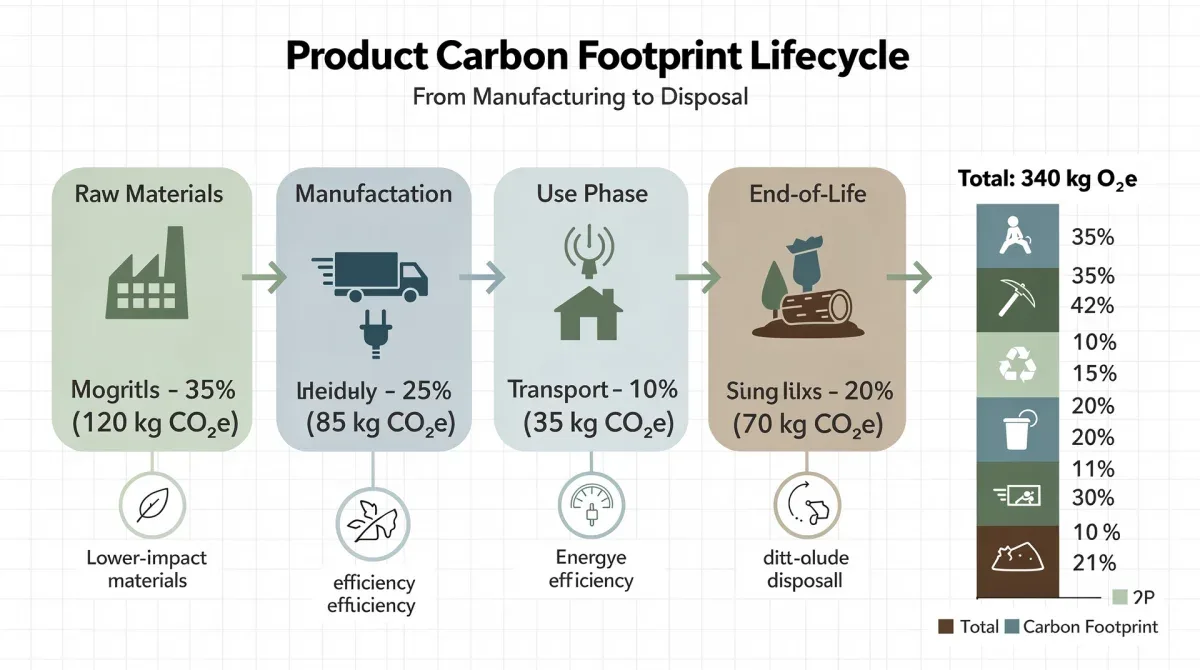
For many retailers, the true complexity of carbon transparency lies within their supply chains. A product's carbon footprint isn't solely determined by its manufacturing; it encompasses every stage from raw material extraction to disposal. Understanding and quantifying these emissions requires meticulous data collection and a deep dive into every facet of the supply chain. This is where many businesses struggle, lacking the tools or expertise to accurately track their environmental impact.
The global nature of modern supply chains further complicates matters. Products often travel across continents, involving numerous suppliers, manufacturers, and logistics partners, each contributing to the overall carbon footprint. Achieving transparency demands collaboration and a unified approach across the entire value chain. Without this comprehensive view, any claims of sustainability risk being perceived as greenwashing.
Mapping and Measuring: The Path to Clarity
The first step towards effective carbon transparency is a thorough mapping of the supply chain. This involves identifying all key stakeholders and processes that contribute to a product's lifecycle emissions. Once mapped, the next challenge is accurate measurement.
- Supplier Engagement: Collaborating with suppliers to gather emission data.
- Lifecycle Assessments (LCAs): Conducting detailed analyses of a product's environmental impact from 'cradle to grave'.
- Technology Solutions: Utilizing software and platforms for data collection and analysis.
- Third-Party Verification: Ensuring credibility through independent audits.
Navigating the supply chain for carbon transparency is a complex but essential undertaking. It requires investment in technology, processes, and partnerships. However, the benefits of a transparent and sustainable supply chain far outweigh the challenges, leading to improved efficiency, reduced risks, and enhanced brand reputation.
Strategies for Retailers: Embracing Carbon Transparency
For retailers looking to reverse the trend of abandoned purchases, embracing carbon transparency is no longer optional; it's a strategic imperative. This involves a multi-faceted approach that integrates sustainability into core business operations, communication strategies, and product development. It requires a genuine commitment, not just a superficial attempt to appease environmentally conscious consumers.
Successful strategies will focus on clarity, accuracy, and accessibility of information. Retailers must make it easy for consumers to understand the carbon footprint of their purchases, whether through on-product labeling, digital platforms, or in-store displays. The goal is to empower consumers with the knowledge they need to make informed decisions, fostering trust and loyalty in the process.

Actionable Steps for a Sustainable Future
Implementing carbon transparency requires a strategic roadmap. Here are key areas retailers should focus on:
- Invest in Data Infrastructure: Develop systems to track and manage carbon data across the supply chain.
- Educate and Empower Consumers: Clearly communicate carbon footprint information using accessible language and visuals.
- Collaborate with Suppliers: Work closely with partners to reduce emissions and improve data sharing.
- Set Ambitious Goals: Commit to measurable targets for emission reduction and regularly report on progress.
- Innovate Sustainable Products: Prioritize the development and sourcing of low-carbon alternatives.
By adopting these strategies, retailers can not only meet consumer demand for carbon transparency but also position themselves as leaders in the sustainable retail movement. This proactive approach will attract new customers, strengthen brand loyalty, and contribute to a more sustainable future.
The Role of Technology in Achieving Transparency and Trust
Technology is a pivotal enabler in the quest for carbon transparency, offering solutions that streamline data collection, analysis, and communication. From blockchain for supply chain traceability to AI-powered analytics for emission calculations, technological advancements are making it easier for retailers to accurately measure and report their environmental impact. Leveraging these tools is essential for building trust and credibility with consumers.
Digital platforms can provide interactive experiences, allowing consumers to delve deeper into a product's sustainability journey. QR codes on packaging, for instance, can link to detailed reports, certifications, and even videos showcasing ethical production practices. This level of granular detail and verifiable information is what modern consumers demand, moving beyond generic claims to concrete data.
Digital Tools for a Greener Tomorrow
The integration of various technologies can significantly enhance a retailer's ability to achieve and communicate carbon transparency:
- Blockchain Technology: For immutable and transparent tracking of products through the supply chain.
- IoT Sensors: To monitor energy consumption and emissions in real-time across facilities and logistics.
- AI and Machine Learning: For analyzing vast datasets to identify emission hotspots and optimize sustainable practices.
- Digital Product Passports: Providing comprehensive information about a product's lifecycle, including its carbon footprint.
Embracing technology is not just about efficiency; it's about building an ecosystem of trust. By providing verifiable, data-driven insights into their carbon footprint, retailers can foster deeper connections with consumers, assuring them that their purchases align with their environmental values. Technology transforms abstract claims into tangible, transparent realities.
Building Consumer Trust Through Authentic Sustainability Efforts
At the heart of carbon transparency is the fundamental goal of building consumer trust. In an age of skepticism and greenwashing concerns, authenticity is paramount. Consumers are adept at spotting insincere efforts; therefore, retailers must ensure their sustainability initiatives are genuine, comprehensive, and backed by verifiable data. This means going beyond mere compliance and embedding environmental responsibility into the very DNA of the brand.
Authentic sustainability efforts resonate deeply with consumers. When a brand demonstrates a true commitment to reducing its carbon footprint and openly shares its progress, it creates a powerful emotional connection. This connection translates into loyalty, advocacy, and ultimately, sustained business success. Trust is the currency of the modern market, and carbon transparency is a key driver of that trust.
From Claims to Credibility: Earning Consumer Loyalty
To build lasting trust, retailers must move from making vague sustainability claims to demonstrating concrete actions and measurable results. This involves a commitment to continuous improvement and open communication.
- Transparent Reporting: Regularly publishing sustainability reports and carbon footprint data.
- Certifications and Standards: Adhering to recognized environmental certifications.
- Employee Engagement: Involving staff in sustainability initiatives to foster a culture of environmental responsibility.
- Community Involvement: Supporting environmental causes and local sustainability projects.
Building consumer trust through authentic sustainability efforts is a long-term journey, not a destination. It requires consistent effort, transparent communication, and a genuine desire to make a positive impact. Retailers who embrace this philosophy will not only attract and retain customers but also contribute to a more sustainable and responsible global economy.
The Future of Retail: Sustainability as a Core Competency
Looking ahead, sustainability will no longer be a niche concern or a marketing add-on; it will become a core competency for all successful retailers. The trend of consumers abandoning purchases over a lack of carbon transparency is just the beginning. As environmental awareness grows and regulatory pressures increase, businesses that fail to integrate sustainability into their fundamental operations will struggle to compete.
The future of retail is one where environmental impact is as important as financial performance. Retailers will need to innovate not just in products and services, but also in their processes, supply chains, and business models to minimize their carbon footprint. Those who lead in this area will gain a significant competitive advantage, attracting top talent, discerning investors, and the loyalty of a new generation of conscious consumers.
Preparing for a Green Economy
Retailers must proactively prepare for a future where sustainability is a non-negotiable aspect of business:
- Strategic Integration: Embed sustainability into every level of business strategy.
- Continuous Innovation: Invest in research and development for sustainable materials and processes.
- Policy Advocacy: Support policies that promote a greener economy and fair competition.
- Consumer Education: Continue to inform and empower consumers about sustainable choices.
The future belongs to retailers who view sustainability not as a challenge, but as an opportunity for innovation, differentiation, and long-term value creation. By making carbon transparency a priority and embracing sustainable practices, businesses can not only meet consumer expectations but also help shape a more resilient and responsible retail landscape for generations to come.
| Key Point | Brief Description |
|---|---|
| Consumer Demand | 61% of consumers abandon purchases due to lack of carbon transparency, highlighting a critical shift in priorities. |
| Economic Impact | Environmental opacity leads to significant lost revenue, damaged brand loyalty, and increased marketing costs for retailers. |
| Supply Chain Complexity | Accurate carbon footprint measurement requires deep insight into global supply chains and collaboration with multiple partners. |
| Strategic Imperative | Embracing carbon transparency is crucial for retailer survival and growth, requiring investment in technology and authentic sustainability efforts. |
Frequently Asked Questions About Carbon Transparency
Why are consumers increasingly demanding carbon transparency?▼Consumers are more environmentally conscious and want to align their purchases with their values. They seek to support brands that demonstrate a genuine commitment to sustainability and provide clear, verifiable information about the environmental impact of their products.
What does 'carbon transparency' mean for retailers?▼For retailers, carbon transparency means openly disclosing the carbon footprint of their products and operations. This includes providing clear, accurate data on emissions from sourcing raw materials, manufacturing, transportation, and disposal, making it accessible to consumers.
How can retailers effectively measure their carbon footprint?▼Retailers can measure their carbon footprint through lifecycle assessments (LCAs), engaging with suppliers for data, and using specialized software. Investing in technology like IoT sensors and AI analytics helps track emissions across the entire supply chain from production to delivery.
What are the benefits for retailers who adopt carbon transparency?▼Benefits include increased consumer trust and loyalty, reduced abandoned purchases, enhanced brand reputation, competitive advantage, and attracting environmentally conscious investors. It also drives internal efficiencies and innovation in sustainable practices across the business operations.
What role does technology play in achieving carbon transparency?▼Technology is crucial for streamlining data collection, analysis, and communication. Tools like blockchain ensure traceability, AI optimizes emission calculations, and digital platforms provide interactive ways to share detailed sustainability information with consumers, building trust and credibility.
Conclusion
The message from modern consumers is unequivocal: carbon transparency is no longer a niche request but a fundamental expectation. The statistic that 61% of shoppers abandon purchases due to a lack of this crucial information serves as a powerful call to action for retailers globally. Embracing sustainability, particularly through clear and verifiable carbon footprint disclosure, is not just an ethical choice but a strategic imperative for long-term survival and prosperity in the evolving retail landscape. Retailers who proactively integrate carbon transparency into their operations and communication will build stronger relationships with their customers, foster trust, and secure their place in a future where environmental responsibility is a cornerstone of business success.
