Microcurrent Treatments: In-Office vs. At-Home Devices
Deciding between in-office microcurrent treatments and at-home sculpting devices involves weighing cost against efficacy. Professional sessions offer higher intensity and expert application, while home devices provide convenience and long-term savings for consistent, subtle results.
The quest for youthful, toned skin often leads us down a path of innovative beauty treatments. Among the most talked-about are microcurrent therapies, lauded for their ability to sculpt, lift, and rejuvenate the face. But when faced with the choice, many ponder: Are in-office microcurrent treatments worth $300 compared to at-home sculpting devices? This question delves deep into efficacy, cost, convenience, and ultimately, value for your beauty regimen.
Understanding Microcurrent Technology: The Science Behind the Glow
Before we weigh the costs and benefits, it's essential to grasp what microcurrent technology actually is and how it works. This non-invasive treatment uses low-level electrical currents to stimulate facial muscles, promoting a more lifted and toned appearance. The science relies on mimicking the body's natural electrical impulses, which can lead to improved cellular activity and collagen production.
The underlying principle is that these gentle electrical waves can re-educate muscles, much like a workout for your face. Over time, consistent stimulation helps to tighten and firm the skin, reducing the appearance of fine lines and wrinkles. It's often referred to as a "non-surgical facelift" due to its remarkable contouring effects.
How Microcurrent Works on a Cellular Level
Microcurrent devices deliver tiny electrical currents that are incredibly similar to the body's own natural bio-electrical currents. These currents penetrate the skin and muscle tissue, initiating a cascade of beneficial physiological processes. The primary goal is to increase cellular energy, specifically ATP (adenosine triphosphate), which is vital for muscle contraction, protein synthesis, and cellular repair.
- ATP Production: Microcurrent can increase ATP production by up to 500%, providing the energy needed for cellular repair and regeneration.
- Protein Synthesis: It stimulates the production of collagen and elastin, essential proteins for skin firmness and elasticity.
- Improved Circulation: Enhanced blood flow brings more oxygen and nutrients to skin cells, contributing to a healthier complexion.
- Muscle Re-education: By gently contracting and relaxing facial muscles, microcurrent helps to lift and tone, addressing sagging.
Understanding these mechanisms helps clarify why regular use, whether in-office or at home, is crucial for sustained results. The effects are cumulative, building upon each session to gradually improve facial contour and skin vitality.
The In-Office Microcurrent Experience: A $300 Investment
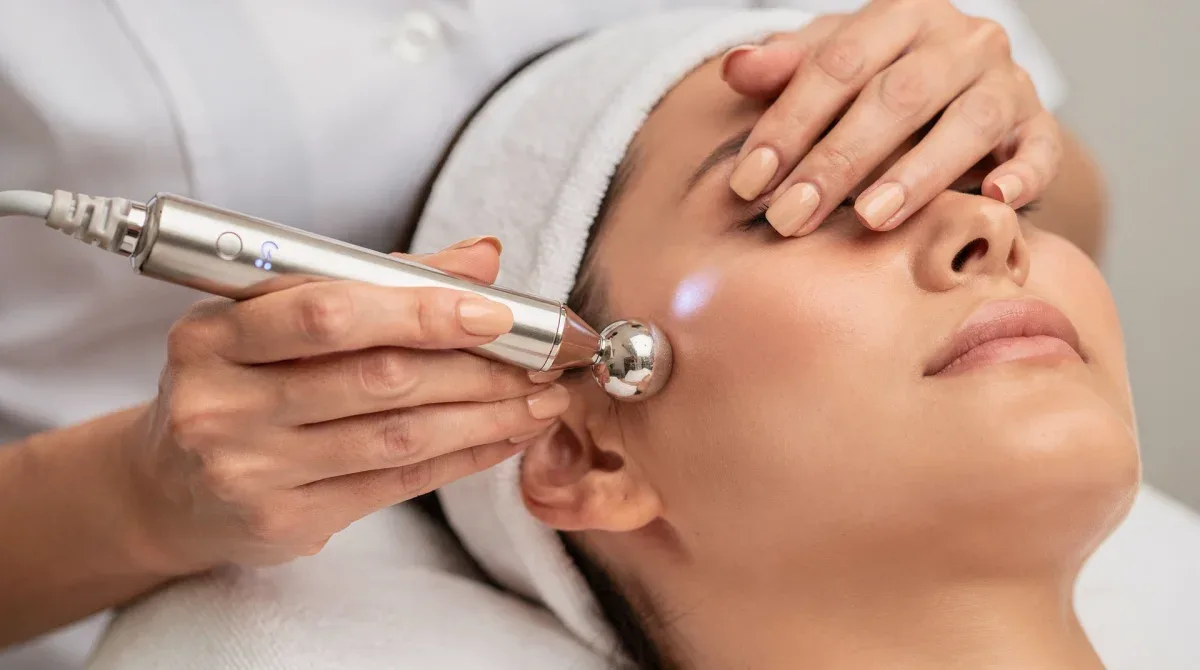
A professional microcurrent treatment typically involves a visit to a spa, dermatologist's office, or aesthetician. These sessions are often comprehensive, combining microcurrent with other beneficial facial steps like cleansing, exfoliation, and targeted serums. The $300 price tag reflects not just the technology, but also the expertise of the practitioner and the overall luxurious experience.
During an in-office session, a trained professional uses specialized equipment, which often has higher intensity and more precise control than consumer-grade devices. They can tailor the treatment to your specific facial anatomy and concerns, targeting areas that require more lifting or sculpting. The environment is usually relaxing and pampering, adding to the perceived value.
Advantages of Professional Treatments
There are distinct benefits to opting for an in-office treatment that justify the higher cost for many individuals.
- Higher Intensity Devices: Professional machines often operate at higher microamperage levels, potentially delivering more immediate and dramatic results.
- Expert Application: A skilled aesthetician understands facial anatomy and can apply the current precisely to optimize lifting and contouring. This minimizes the risk of improper use and maximizes effectiveness.
- Customized Protocols: Professionals can adapt the treatment to your unique skin concerns, muscle tone, and desired outcomes, offering a bespoke experience.
- Combined Therapies: Often, in-office microcurrent treatments are integrated into a broader facial regimen, enhancing overall skin health and appearance with other treatments.
The results from professional treatments can be more noticeable after just one session, making them ideal for special occasions or as a kickstart to a long-term beauty plan. However, to maintain these results, regular follow-up appointments are necessary, which can quickly add up financially.
At-Home Microcurrent Devices: Convenience and Cost-Effectiveness

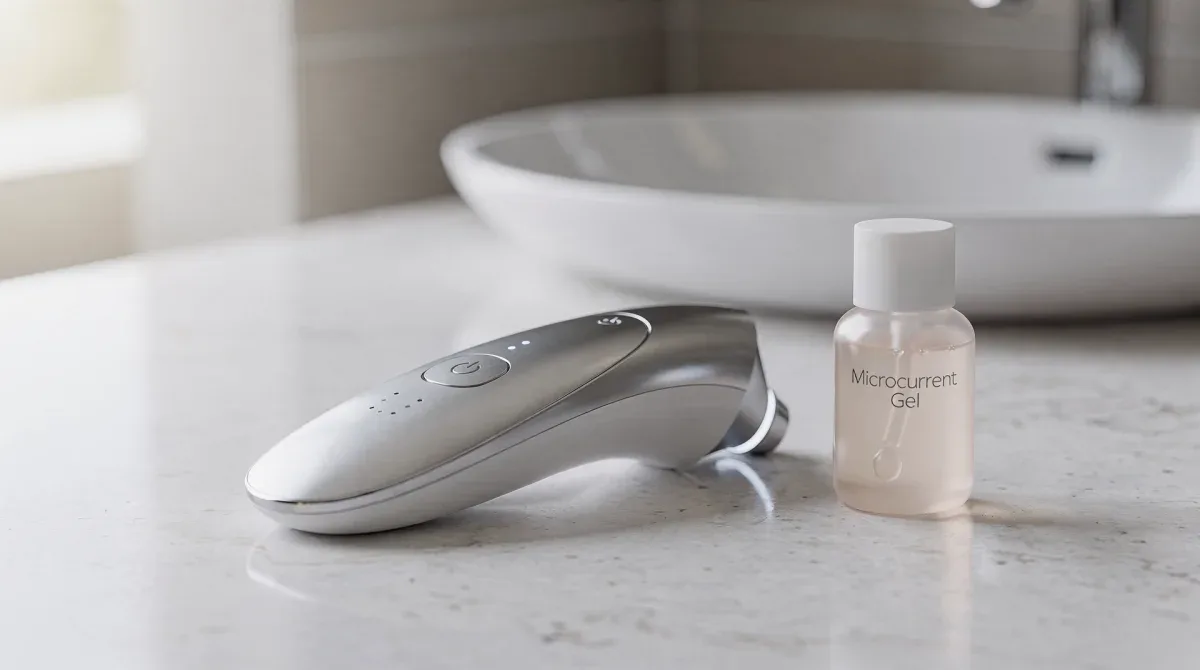
The rise of at-home beauty devices has made microcurrent technology more accessible than ever. These handheld devices typically range from $150 to $500, making them a significant upfront investment, but a far more economical choice over time compared to recurring in-office sessions. They are designed for user-friendliness, allowing individuals to perform treatments in the comfort of their own homes.
At-home devices generally feature lower microamperage settings than professional machines, making them safer for self-application. While the immediate results might be less dramatic than a professional session, consistent and diligent use over weeks and months can lead to noticeable improvements in skin tone, firmness, and overall facial contour. The key here is consistency, as the benefits are cumulative.
Navigating the World of At-Home Devices
Choosing the right at-home microcurrent device can be overwhelming given the array of options available. Factors like device design, intensity settings, battery life, and included conductive gels all play a role in the user experience. Researching reviews and understanding your personal needs are crucial before making a purchase.
- User-Friendly Design: Most at-home devices prioritize ease of use, with intuitive controls and ergonomic shapes for comfortable handling.
- Consistency is Key: Unlike the potentially more immediate effects of professional treatments, at-home devices require regular, often daily, use to achieve and maintain results.
- Lower Intensity: While generally less powerful than professional machines, their lower intensity makes them safer for unsupervised use and reduces the risk of improper application.
- Long-Term Savings: The initial investment is typically a one-time cost, with only the occasional need to replenish conductive gel, leading to significant savings compared to frequent spa visits.
For many, the flexibility of performing a treatment whenever and wherever is a major draw. It fits seamlessly into a busy lifestyle, allowing for a personalized skincare routine that doesn't require scheduling appointments or travel.
Comparing Efficacy: Are the Results Truly Different?
The central question revolves around whether the results from a $300 in-office treatment are significantly superior to those achieved with an at-home device. While professional treatments can offer more immediate and often more pronounced initial lifting due to higher intensity and expert technique, the long-term efficacy can be surprisingly similar if at-home devices are used consistently and correctly.
In-office treatments act like an intensive boost, providing a quick refresh or a strong starting point. At-home devices, on the other hand, are about maintenance and gradual improvement. Think of it like going to a personal trainer versus following a home workout program. The trainer might push you harder and correct your form, but a dedicated home routine can still yield impressive fitness results over time.
Factors Influencing Results
Several variables impact the effectiveness of both in-office and at-home microcurrent treatments:
- Device Intensity: Professional devices generally have higher microamperage, leading to stronger muscle contractions and potentially faster results.
- Application Technique: A skilled aesthetician's technique is honed through training and experience, ensuring optimal muscle targeting and lifting. At home, technique relies on user adherence to instructions and practice.
- Consistency of Use: This is paramount for both. Infrequent in-office visits will see results fade, just as sporadic at-home use will yield minimal benefits.
- Individual Skin Response: Everyone's skin and muscle structure responds differently to microcurrent, regardless of the device or setting.
- Product Synergy: The conductive gel used, and any other skincare products applied alongside, can influence how well the current penetrates and the overall outcome.
Ultimately, the perceived difference in results often comes down to the intensity of the treatment and the consistency of the regimen. A professional setting offers a powerful, one-time or infrequent boost, whereas at-home devices offer a gentler, ongoing approach.
Cost-Benefit Analysis: When to Splurge and When to Save
The financial aspect is a major determinant for many. A single in-office microcurrent treatment at $300 can feel like a luxurious splurge. If you aim for consistent results, a series of 6-10 treatments, followed by monthly maintenance, could easily run into thousands of dollars annually. This makes the initial investment in an at-home device, typically between $150-$500, look incredibly appealing for long-term use.
Consider your budget, lifestyle, and beauty goals when making this decision. If you need a quick, noticeable lift for an event, an in-office treatment might be justified. However, for ongoing anti-aging and facial toning, an at-home device offers significant savings and the flexibility to integrate it into your daily routine.
Making an Informed Decision
To help decide between the two, consider these points:
- Budget: Can you comfortably afford recurring $300 sessions, or is a one-time device purchase more feasible?
- Time Commitment: Do you have the time for scheduled appointments and travel, or do you prefer the convenience of at-home treatments?
- Desired Results: Are you looking for a dramatic immediate lift, or are you content with gradual, consistent improvements?
- Consistency: Are you disciplined enough to use an at-home device regularly, or do you prefer the motivation of a scheduled professional appointment?
For those new to microcurrent, a single in-office session could serve as an excellent introduction, allowing you to experience the sensation and see potential results before committing to an at-home device. This can help you gauge your skin's responsiveness and whether you enjoy the treatment.
Maximizing Your Microcurrent Results, Regardless of Choice
Whether you choose the professional route or opt for an at-home device, several practices can help maximize your microcurrent results. Proper skin preparation, consistent application, and combining treatments with a robust skincare routine are universal keys to success. Microcurrent is not a standalone miracle cure; it works best as part of a holistic approach to skin health.
Always ensure your skin is clean and free of oils before treatment. Use a high-quality conductive gel specifically designed for microcurrent devices, as this ensures the electrical current is effectively delivered to the muscles. Hydration and a healthy diet also play a crucial role in overall skin vitality, supporting the effects of any beauty treatment.
Essential Tips for Optimal Outcomes
To get the most out of your microcurrent investment, keep these tips in mind:
- Hydrate Internally and Externally: Well-hydrated skin and body respond better to electrical currents.
- Use Quality Conductive Gel: This is non-negotiable for effective current delivery and to prevent uncomfortable sensations.
- Follow Instructions Carefully: Especially with at-home devices, adhering to the recommended techniques and frequency is crucial.
- Be Consistent: Microcurrent results are cumulative. Regular use is far more effective than sporadic treatments.
- Integrate with Skincare: Pair microcurrent with a good anti-aging skincare routine that includes antioxidants, peptides, and SPF.
- Consider a Hybrid Approach: Some individuals benefit from occasional in-office treatments for a boost, complemented by regular at-home maintenance.
By approaching microcurrent therapy with a comprehensive strategy, you can achieve and maintain the lifted, toned, and radiant complexion you desire, regardless of whether you choose a $300 in-office treatment or an at-home device.
The Future of Microcurrent: Innovations and Accessibility
The beauty technology landscape is constantly evolving, and microcurrent is no exception. We are seeing continuous advancements in both professional and at-home devices, making them more effective, user-friendly, and integrated with smart technology. As research progresses, we can expect even more targeted and personalized microcurrent solutions.
Innovations include devices with multiple waveforms, customizable programs, and enhanced ergonomic designs. The trend towards smart devices with app integration allows for guided treatments and tracking progress, further bridging the gap between professional expertise and at-home convenience. This ongoing development suggests that microcurrent will remain a significant player in the anti-aging and facial sculpting market.
The increasing accessibility of quality at-home devices means that effective facial toning is no longer exclusively for those with large budgets for spa treatments. This democratization of beauty technology empowers more individuals to take control of their skincare journey, fostering a more informed and proactive approach to maintaining youthful skin.
| Key Point | Brief Description |
|---|---|
| In-Office Cost | Typically around $300 per session, offering professional expertise and higher intensity. |
| At-Home Device Cost | Initial purchase $150-$500, significant long-term savings compared to professional visits. |
| Efficacy Difference | In-office offers immediate, stronger lift; at-home provides gradual, consistent results with regular use. |
| Key to Results | Consistency and proper technique are crucial for both methods to achieve and maintain benefits. |
Frequently Asked Questions About Microcurrent Treatments
How often should I use an at-home microcurrent device?▼Most at-home microcurrent devices recommend daily use for the first 4-6 weeks to achieve initial results, followed by 2-3 times per week for maintenance. Consistency is key to seeing and sustaining the lifting and toning effects over time.
Are microcurrent treatments painful?▼Microcurrent treatments are generally not painful. You might feel a slight tingling sensation or a subtle muscle contraction, especially around areas with thinner skin. Proper use of conductive gel minimizes any discomfort, ensuring a smooth and effective experience.
Can microcurrent treatments replace injectables like Botox or fillers?▼Microcurrent treatments work differently than injectables. While microcurrent tones muscles and improves skin elasticity for a lifted look, it doesn't freeze muscles or add volume like Botox or fillers. It's best seen as a complementary treatment for overall facial rejuvenation.
Who should avoid microcurrent treatments?▼Individuals with pacemakers, epilepsy, active cancer, or who are pregnant should avoid microcurrent treatments. It's always advisable to consult with a healthcare professional or dermatologist before starting any new beauty treatment, especially if you have underlying health conditions.
What is the role of conductive gel in microcurrent treatments?▼Conductive gel is essential for microcurrent treatments as it allows the electrical current to penetrate the skin effectively and comfortably. Without it, the current cannot properly reach the facial muscles, leading to ineffective results and potential discomfort or shocking sensations.
Conclusion
The decision of whether in-office microcurrent treatments are worth $300 compared to at-home sculpting devices ultimately hinges on individual priorities regarding budget, convenience, and desired intensity of results. While professional sessions offer higher power and expert application for potentially more immediate effects, at-home devices provide a cost-effective, flexible solution for consistent, gradual improvements. Both avenues leverage the proven science of microcurrent to tone and rejuvenate facial muscles. By understanding the nuances of each, consumers can make an informed choice that aligns with their lifestyle and beauty aspirations, ensuring they get the most value from their investment in youthful, radiant skin.