Morning Sunlight Protocol: Reset Circadian Rhythm, Boost Deep Sleep
The 10-minute morning sunlight protocol is a powerful, natural method designed to reset your body's internal clock, optimize circadian rhythm, and significantly increase deep sleep by up to 20%, enhancing overall sleep quality and daily energy.
Are you struggling with sleep, feeling groggy despite a full night's rest? The 10-minute morning sunlight protocol offers a simple yet profoundly effective solution to recalibrate your internal clock, promising not just better sleep, but a remarkable increase in deep sleep by up to 20%. This natural intervention leverages the power of light to optimize your body's most fundamental rhythms, transforming your nights and energizing your days.
Understanding the Circadian Rhythm and its Importance
Our bodies operate on a finely tuned internal clock, known as the circadian rhythm, which dictates our sleep-wake cycles, hormone release, body temperature, and other essential physiological functions over a roughly 24-hour period. This rhythm is profoundly influenced by external cues, most notably light and darkness. When this delicate balance is disrupted, whether by artificial light exposure at night, inconsistent sleep schedules, or lack of natural light exposure during the day, it can lead to a cascade of negative health consequences, including insomnia, fatigue, mood disturbances, and even chronic diseases.
Maintaining a robust circadian rhythm is not merely about sleeping well; it’s about optimizing every aspect of your health. A well-regulated internal clock ensures that your body performs its functions at the most opportune times, from digestion and metabolism to cognitive performance and immune response. Disruptions, on the other hand, can throw these systems into disarray, making it harder to fall asleep, stay asleep, and achieve the restorative deep sleep necessary for physical and mental repair. Understanding this fundamental biological process is the first step toward harnessing the power of natural light to improve your overall well-being.
The Science Behind Light and Sleep
- Melatonin Regulation: Exposure to bright light, especially blue light, in the morning signals to your brain to suppress melatonin production, helping you feel awake and alert. Conversely, as evening approaches and light diminishes, melatonin levels naturally rise, preparing your body for sleep.
- Cortisol Awakening Response: Morning light exposure also plays a crucial role in the cortisol awakening response, a natural surge in cortisol that helps you wake up and feel energized. A healthy cortisol curve is essential for maintaining daytime alertness and promoting restful sleep at night.
- Suprachiasmatic Nucleus (SCN): The SCN, located in the hypothalamus, acts as the body's master clock. It receives direct signals from the eyes about light exposure, using this information to synchronize all other peripheral clocks throughout the body, ensuring harmonious biological function.
The intricate interplay between light exposure and these biological mechanisms underscores why strategic light intake, particularly in the morning, is so vital for sleep quality. By consciously managing your light environment, you empower your body to maintain a consistent and healthy circadian rhythm, paving the way for deeper, more restorative sleep.

The 10-Minute Morning Sunlight Protocol: How it Works
The 10-minute morning sunlight protocol is a simple, yet incredibly effective strategy designed to synchronize your body's internal clock with the natural day-night cycle. The core principle is to expose your eyes to bright, natural sunlight within the first hour of waking, ideally for at least 10 minutes. This exposure doesn't require staring directly at the sun, which can be harmful, but rather being outdoors or near a window where direct sunlight can enter your eyes. The timing is crucial because early morning light, particularly the blue light spectrum present in natural sunlight, sends a powerful signal to your suprachiasmatic nucleus (SCN), your body's master clock, indicating that the day has begun. This signal helps to set your circadian rhythm for the day, promoting alertness and optimizing the timing of melatonin release later in the evening.
This protocol works by leveraging the natural light environment to reinforce your body's innate timing mechanisms. In our modern world, filled with artificial indoor lighting and limited outdoor time, many people inadvertently disrupt their circadian rhythms, leading to sleep issues and reduced overall vitality. By consciously incorporating morning sunlight exposure, you actively counteract these modern challenges, guiding your body back to its natural, optimal rhythm. This small habit can have profound ripple effects on your energy levels, mood, and most importantly, the quality of your sleep.
Implementing the Protocol: Step-by-Step
- Wake and Go: As soon as you wake up, or within the first 60 minutes, head outside. The goal is to get natural light into your eyes before significant exposure to artificial indoor light.
- Direct Light, Not Staring: You don't need to look directly at the sun. Simply being outdoors, allowing the light to enter your eyes naturally, is sufficient. Avoid sunglasses, as they block the crucial wavelengths of light needed to signal your SCN.
- Consistent Duration: Aim for 10-15 minutes on clear days. On overcast days, you might extend this to 20-30 minutes, as the light intensity is lower. Consistency is key for establishing a strong circadian rhythm.
- Location Matters: Being outdoors is ideal. If that's not possible, sitting by a window with direct sunlight can still offer benefits, though it's less effective than direct outdoor exposure due to window glass filtering certain light wavelengths.
By following these steps consistently, you provide your body with the powerful environmental cue it needs to properly set its internal clock. This simple act can significantly improve your sleep architecture, leading to more restorative deep sleep and enhanced daytime functioning.
The Impact on Deep Sleep: A 20% Increase
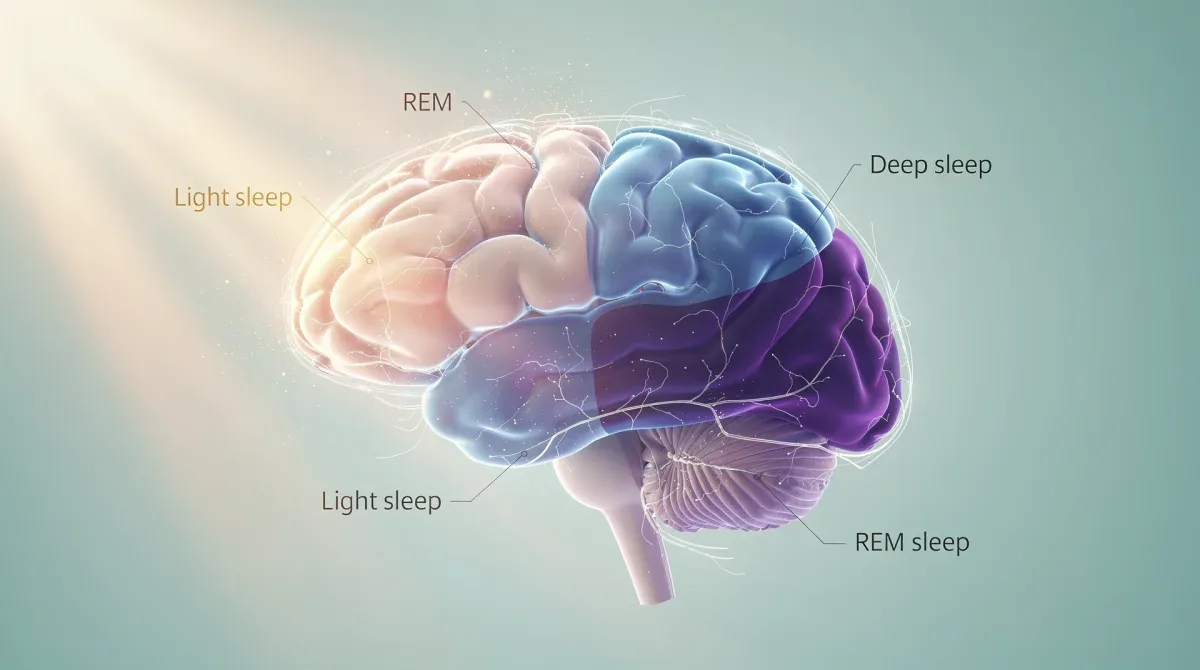
One of the most compelling benefits of consistently applying the morning sunlight protocol is its documented ability to increase deep sleep by a significant margin, often up to 20%. Deep sleep, also known as slow-wave sleep, is the most restorative stage of non-REM sleep, crucial for physical recovery, cellular repair, memory consolidation, and the release of growth hormones. When your circadian rhythm is properly synchronized by morning light, your body's natural sleep-wake cycle becomes more robust, leading to a more efficient and deeper sleep architecture. This means you spend more time in the essential deep sleep stages, maximizing the restorative benefits of your sleep.
The mechanism behind this increase lies in the precise timing of melatonin and cortisol regulation. By signaling to your brain that it's daytime, morning sunlight helps to suppress melatonin during the day and ensure its robust release at night. This clear distinction between day and night signals creates a stronger drive for sleep when it's appropriate, making it easier to fall into deep sleep and stay there. Furthermore, a well-set circadian rhythm optimizes the body's natural processes, reducing the physiological stress that can often interfere with deep sleep. The result is a more profound and effective sleep experience, translating into greater energy, improved cognitive function, and enhanced overall health.
Scientific Evidence and Research
- Melatonin Phase Shift: Studies have shown that early morning light exposure causes a phase advance in melatonin secretion, meaning melatonin is released earlier in the evening, promoting earlier and deeper sleep onset.
- Sleep Efficiency Improvement: Research indicates that individuals exposed to sufficient morning light exhibit improved sleep efficiency, spending less time awake after sleep onset and more time in restorative sleep stages, including deep sleep.
- Hormonal Synchronization: Beyond melatonin, morning light helps synchronize other sleep-related hormones and neurotransmitters, creating an optimal internal environment for deep sleep to occur more frequently and effectively.
These findings collectively underscore the profound physiological impact of morning light on sleep quality, particularly on the deep sleep stages. Integrating this simple protocol into your daily routine can therefore be a powerful tool for enhancing your sleep health and overall well-being, supported by a growing body of scientific evidence.
Beyond Sleep: Other Health Benefits of Morning Sunlight
While the primary focus of the 10-minute morning sunlight protocol is to optimize circadian rhythm and enhance deep sleep, its benefits extend far beyond the realm of nocturnal rest. Exposure to natural morning light triggers a cascade of positive physiological responses that contribute to overall health and well-being. This daily practice can significantly improve mood, boost energy levels, enhance cognitive function, and even support immune health. The human body is designed to thrive under specific light conditions, and by re-establishing this fundamental connection, we unlock a myriad of health advantages that often go unappreciated in our modern, indoor-centric lives.
From regulating vital hormones to influencing neurotransmitter activity, morning sunlight acts as a powerful, non-pharmacological intervention with broad-reaching effects. It's a simple, free, and accessible tool that can be integrated into any lifestyle, offering a holistic approach to improving daily vitality and long-term health. Recognizing these additional benefits provides even more motivation to prioritize this essential daily ritual, transforming not just your sleep, but your entire daily experience.
Cognitive Enhancement and Mood Regulation
- Improved Alertness and Focus: Morning light signals to your brain that it's time to be awake and alert, enhancing cognitive performance and concentration throughout the day. This reduces mental fog and improves decision-making.
- Mood Elevation: Exposure to bright light, especially in the morning, has been linked to increased serotonin production, a neurotransmitter associated with feelings of well-being and happiness. This can help alleviate symptoms of seasonal affective disorder (SAD) and general low mood.
- Reduced Stress and Anxiety: A well-regulated circadian rhythm contributes to a more balanced stress response. By optimizing cortisol patterns, morning light can help reduce chronic stress and anxiety levels, fostering a greater sense of calm.
The impact of morning sunlight on cognitive function and mood cannot be overstated. By consistently exposing yourself to natural light early in the day, you set the stage for improved mental clarity, emotional stability, and a more positive outlook, making every day more productive and enjoyable.
Practical Tips for Integrating Sunlight into Your Routine
Integrating the 10-minute morning sunlight protocol into your daily routine might seem challenging at first, especially for those with busy schedules or early starts. However, with a few practical adjustments and a commitment to consistency, it can become a seamless and enjoyable part of your day. The key is to make it a non-negotiable habit, much like brushing your teeth or having your morning coffee. Start by identifying opportunities within your existing routine where you can easily incorporate outdoor time. This could involve small changes that yield significant benefits over time, gradually reshaping your daily rhythm for optimal health.
Remember, the goal is not perfection, but consistent effort. Even on days when you can't get the full 10 minutes, any amount of natural morning light exposure is better than none. The cumulative effect of these small exposures will still contribute to a stronger circadian rhythm and improved sleep. Be patient with yourself as you adapt to this new habit, and soon, you'll find that your body naturally craves this essential dose of morning light.
Making it a Habit: Strategies for Success
- Early Morning Walk: Combine your sunlight exposure with a short walk. This not only gets you outdoors but also incorporates gentle exercise, further boosting your energy and mood.
- Outdoor Coffee/Breakfast: If weather permits, enjoy your morning coffee or breakfast on a porch, balcony, or in your backyard. This allows for passive sunlight exposure while you go about your usual morning activities.
- Work Commute Adjustment: If you commute by public transport, consider getting off a stop earlier and walking the rest of the way. If you drive, park a bit further away and walk, or simply open your car windows for a few minutes before driving off.
- Window Exposure: For those days when going outside isn't feasible, position your workspace near a window that receives direct morning sunlight. Open the blinds or curtains fully to maximize light intake.
By experimenting with these strategies, you can find the most effective and enjoyable ways to make morning sunlight exposure a consistent and beneficial part of your daily life, leading to profound improvements in your sleep and overall well-being.

Common Misconceptions and Troubleshooting
Despite its simplicity, the 10-minute morning sunlight protocol often encounters various misconceptions and practical challenges that can hinder its effectiveness. It's important to address these to ensure you're maximizing the benefits and avoiding common pitfalls. One frequent misunderstanding is equating indoor light with outdoor sunlight. While artificial lights can provide some illumination, they typically lack the intensity and specific spectrum of light needed to effectively signal the circadian clock. Another common issue is the use of sunglasses, which block the crucial wavelengths of light that need to reach the eyes' specialized photoreceptors. Understanding these nuances is key to properly implementing the protocol and achieving its full potential for improved sleep and health.
Troubleshooting also involves adapting the protocol to different environments and personal circumstances. What works for someone living in a sunny climate might need adjustments for someone in a perpetually overcast region. Similarly, individuals with very early work schedules may need to get creative with their morning light exposure. By being aware of these potential challenges and having strategies to overcome them, you can maintain consistency and reap the extensive benefits of this powerful natural intervention, ensuring your circadian rhythm remains optimally aligned.
Addressing Common Hurdles
- Overcast Days: On cloudy or rainy days, the intensity of natural light is significantly reduced. To compensate, extend your outdoor exposure time to 20-30 minutes. The beneficial wavelengths are still present, just less concentrated.
- Window Glass: Window glass filters out much of the beneficial UV and blue light spectrums essential for circadian signaling. While some light is better than none, aim for direct outdoor exposure whenever possible. If only a window is available, ensure it's a clear window and you are as close to it as possible.
- Sunglasses: Avoid wearing sunglasses during your morning sunlight exposure. They block the specific wavelengths of light that need to reach your eyes to trigger the circadian reset. If you need vision correction, clear prescription glasses are fine.
- Artificial Light Before Sunlight: Try to minimize exposure to artificial bright lights (especially overhead lights and screens) before your morning sunlight session. These can confuse your SCN and dilute the effectiveness of natural light. If you must use indoor lights, opt for dim, warm-colored lights.
By understanding and addressing these common issues, you can ensure that your morning sunlight protocol is as effective as possible, leading to better circadian alignment and a significant improvement in your deep sleep and overall well-being.
The Long-Term Benefits of Circadian Alignment
Embracing the 10-minute morning sunlight protocol isn't just a quick fix for better sleep; it's an investment in long-term health and vitality. Consistently aligning your circadian rhythm with natural light cycles creates a foundation for sustained well-being, influencing everything from metabolic health to mental resilience. Over time, a well-regulated internal clock optimizes countless biological processes, leading to a more energetic and balanced life. This commitment to natural light exposure transcends simple habit formation; it's about reconnecting with our fundamental biology and leveraging evolutionary wisdom for modern health challenges. The cumulative effects of this daily practice can be profound, offering protective benefits against a range of chronic conditions and significantly enhancing quality of life.
The long-term advantages extend beyond the immediate improvements in sleep and mood. A stable circadian rhythm supports robust immune function, improves metabolic efficiency, and can even slow down aspects of the aging process. It fosters an environment where the body can perform its repair and maintenance tasks optimally, leading to greater resilience against stress and illness. By making morning sunlight a cornerstone of your daily routine, you are actively choosing a path towards comprehensive health, where your body and mind operate in harmonious synchronicity with the natural world.
Sustained Health and Well-being
- Metabolic Health: A regulated circadian rhythm plays a key role in glucose metabolism and insulin sensitivity. Consistent light exposure can help prevent metabolic disorders and support healthy weight management.
- Immune System Support: Optimal sleep and a balanced circadian rhythm are critical for a strong immune system. Regular morning light exposure helps bolster your body's defenses against illness and infection.
- Enhanced Mental Resilience: By stabilizing mood and reducing stress, circadian alignment contributes to greater mental resilience, helping you navigate life's challenges with more ease and a positive outlook.
- Anti-aging Effects: Deep sleep is vital for cellular repair and the release of growth hormone, both of which have anti-aging properties. By increasing deep sleep, the protocol supports the body's natural rejuvenation processes.
The consistent application of the morning sunlight protocol offers a powerful, natural pathway to enduring health benefits, creating a ripple effect that touches every aspect of your physical and mental well-being, ensuring a vibrant and resilient life.
| Key Aspect | Brief Description |
|---|---|
| Protocol Core | 10-15 minutes of natural morning sunlight exposure within an hour of waking. |
| Circadian Reset | Synchronizes body's internal clock, optimizing sleep-wake cycles. |
| Deep Sleep Boost | Can increase restorative deep sleep by up to 20%, enhancing recovery. |
| Broader Benefits | Improves mood, energy, cognitive function, and metabolic health. |
Frequently Asked Questions About Morning Sunlight and Sleep
Why is morning sunlight specifically important for sleep?▼Morning sunlight is crucial because its bright, blue-rich spectrum signals to your brain that the day has begun. This suppresses melatonin, sets your internal clock (circadian rhythm), and optimizes the timing for melatonin release later, promoting deep, restorative sleep at night.
Do I need to stare directly at the sun?▼No, you should never stare directly at the sun, as it can damage your eyes. The protocol simply requires you to be outdoors or by a window where natural light can enter your eyes indirectly. Avoid sunglasses during this time to maximize light absorption.
What if it's cloudy or rainy in the morning?▼On overcast days, the light intensity is lower, but beneficial wavelengths are still present. Extend your exposure time to 20-30 minutes instead of 10-15. Consistency is key, even if the light isn't as bright as on a clear day.
Can artificial light replace natural morning sunlight?▼While some light therapy lamps can mimic natural light, they are generally less effective than direct outdoor sunlight. Window glass also filters out crucial light wavelengths. Prioritize outdoor exposure whenever possible for the most robust circadian signaling.
How quickly can I expect to see results from this protocol?▼Many individuals report noticeable improvements in energy levels and sleep quality within a few days to two weeks of consistent practice. Significant increases in deep sleep, like the 20% mentioned, often become apparent after several weeks of dedicated adherence to the protocol.
Conclusion
The 10-minute morning sunlight protocol stands as a testament to the profound power of simple, natural interventions for optimizing human health. By consistently exposing ourselves to natural light early in the day, we not only reset our circadian rhythm and significantly boost deep sleep, but also unlock a myriad of benefits for mood, energy, cognitive function, and overall well-being. This accessible practice offers a powerful antidote to the sleep and health challenges of modern life, inviting us to reconnect with our innate biological rhythms for a more vibrant, restorative existence. Embrace the dawn, and transform your nights and days.
