Skin Barrier Recovery: A 14-Day Repair Guide
Repairing a damaged skin barrier involves a focused 14-day regimen emphasizing gentle cleansing, targeted hydration, and protective ingredients to restore the stratum corneum's integrity and enhance overall skin health.
Embarking on a journey to achieve resilient and radiant skin begins with understanding and nurturing its primary defense: the skin barrier. This comprehensive skin barrier recovery guide will walk you through a precise 14-day plan to repair your damaged stratum corneum, transforming your skin's health and appearance.
Understanding your skin barrier: The stratum corneum
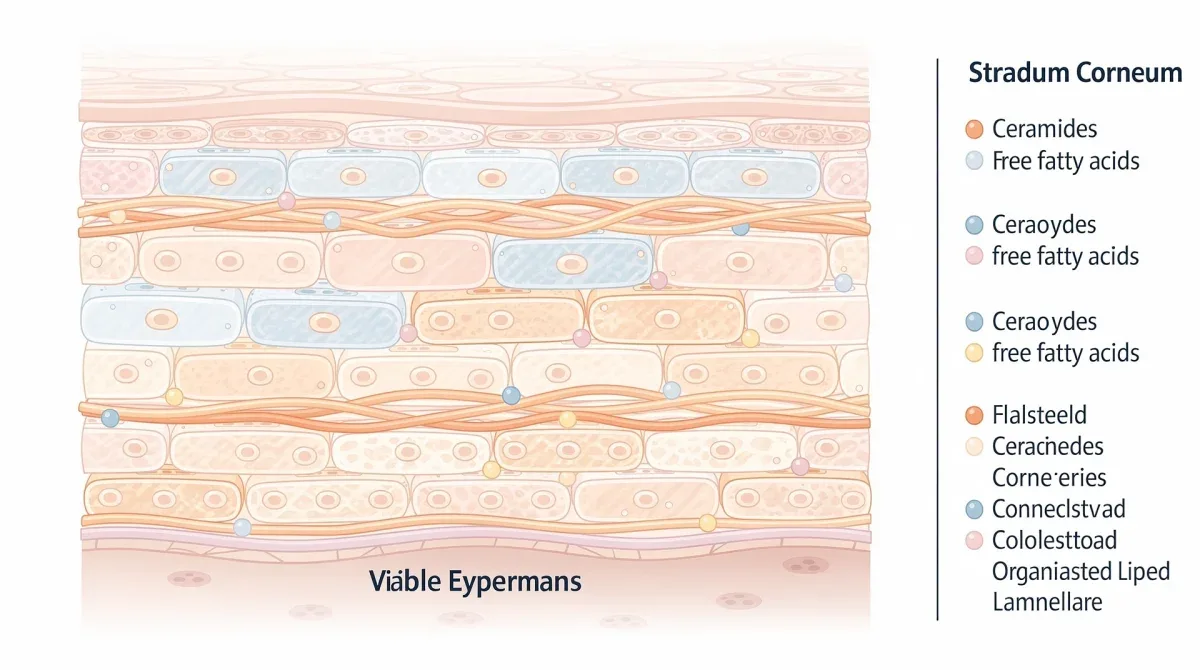
The stratum corneum, the outermost layer of your epidermis, acts as your skin's first line of defense against environmental aggressors, irritants, and moisture loss. Often described as a 'brick and mortar' structure, it comprises corneocytes (skin cells) held together by a lipid matrix of ceramides, cholesterol, and fatty acids. When this delicate barrier is compromised, your skin can become dry, sensitive, irritated, and prone to breakouts.
Recognizing the signs of a damaged barrier is the first crucial step toward recovery. These signs can manifest as persistent dryness, flakiness, redness, itching, increased sensitivity to products, or even a tight, uncomfortable sensation. Understanding these indicators allows for a targeted approach to repair, ensuring you address the root cause of your skin concerns rather than just the symptoms.
The vital role of the lipid matrix
The lipid matrix is the 'mortar' that holds your skin cells together, forming an impermeable seal. Without a healthy balance of these lipids, water can escape more easily, leading to dehydration, and irritants can penetrate, causing inflammation. Restoring this balance is paramount for effective skin barrier recovery.
- Ceramides: Essential lipids that make up approximately 50% of the skin barrier, crucial for water retention and structural integrity.
- Cholesterol: Works alongside ceramides and fatty acids to maintain the barrier's fluidity and function.
- Fatty acids: Help to keep the skin hydrated and supple, reducing transepidermal water loss.
Ignoring a compromised skin barrier can lead to a vicious cycle of inflammation and further damage, making it harder for your skin to heal naturally. Early intervention with a consistent, gentle routine is key to breaking this cycle and promoting long-term skin health. This foundational understanding sets the stage for our 14-day repair protocol.
Identifying the culprits: What damages your skin barrier?
Many factors, both internal and external, can compromise your skin barrier, leading to a cascade of issues. Understanding these triggers is essential for effective prevention and targeted treatment. Over-exfoliation, harsh cleansers, and environmental stressors are among the most common culprits that strip away the skin's natural defenses.
Lifestyle choices, climate, and even certain medications can also play a significant role in weakening the stratum corneum. Identifying your specific triggers allows you to make informed decisions about your skincare routine and daily habits, preventing future damage and supporting sustained barrier health.
Common external stressors
The environment your skin is exposed to daily can significantly impact its health. From pollution to extreme weather, these external factors constantly challenge the barrier's integrity.
- Harsh weather conditions: Cold, dry air or excessive sun exposure can strip the skin of its natural oils, leading to dehydration and cracking.
- Environmental pollutants: Particulate matter and chemical irritants can trigger oxidative stress and inflammation, directly weakening the barrier.
- Over-washing or hot water: Frequent washing, especially with hot water, can dissolve the protective lipid layer, leaving the skin vulnerable.
Internal and lifestyle factors
Beyond external aggressors, internal conditions and daily habits contribute to barrier dysfunction. Stress, diet, and even genetics can influence how well your skin maintains its protective function.
Chronic stress, for instance, can elevate cortisol levels, which in turn can impair barrier function and exacerbate inflammatory skin conditions. Similarly, a diet lacking in essential fatty acids can hinder the skin's ability to produce necessary lipids for barrier repair. Addressing these internal factors is just as important as managing external ones for a holistic approach to skin health.
Understanding these diverse factors empowers you to take a proactive stance in protecting your skin. By minimizing exposure to known irritants and adopting healthier lifestyle habits, you can significantly reduce the risk of future barrier damage and support a more resilient complexion.
The 14-day blueprint: Your step-by-step recovery plan
A focused, consistent approach is vital for repairing a damaged skin barrier. Our 14-day blueprint is designed to systematically soothe, strengthen, and restore your stratum corneum, laying the foundation for long-term skin health. This plan prioritizes gentle care and the introduction of barrier-supporting ingredients.
Each step is carefully chosen to minimize irritation while maximizing the skin's natural healing capabilities. Adhering to this regimen diligently will yield noticeable improvements, transforming compromised skin into a more resilient and comfortable state.
Days 1-3: Gentle cleansing and soothing
The initial phase focuses on halting further irritation and creating a calm environment for healing. This means simplifying your routine to the absolute essentials.
- Use a mild, pH-balanced cleanser: Opt for a creamy, non-foaming cleanser that won't strip your skin. Avoid harsh sulfates and fragrances.
- Lukewarm water only: Hot water can further compromise the barrier. Use lukewarm water for cleansing and rinse thoroughly but gently.
- Pat dry, don't rub: Use a soft towel and gently pat your skin dry to avoid friction and irritation.
During these first few days, resist the urge to introduce any active ingredients like retinoids, AHAs, or BHAs. The goal is to let your skin rest and recover without any additional stress. Focus purely on cleansing and immediately following with a rich, occlusive moisturizer to lock in hydration.
Days 4-7: Hydration and repair focus
Once the initial irritation has subsided, the next phase concentrates on replenishing moisture and supplying key barrier-building blocks. This is where targeted ingredients become crucial.
- Introduce a ceramide-rich moisturizer: Look for products containing ceramides, cholesterol, and fatty acids to mimic the skin's natural lipid composition.
- Incorporate hyaluronic acid: A powerful humectant, hyaluronic acid draws moisture into the skin, providing deep hydration. Apply it to damp skin for best results.
- Consider a facial oil: If your skin is very dry, a gentle facial oil (like squalane or jojoba) can provide an extra layer of protection and nourishment.
Consistency is key during this period. Apply your moisturizer generously, especially after cleansing, and reapply throughout the day if your skin feels tight or dry. This continuous hydration helps to plump the skin and support the repair process.
Days 8-14: Strengthening and protection
The final week is about reinforcing the newly repaired barrier and protecting it from future damage. This involves integrating antioxidants and sun protection.
During this phase, your skin should feel significantly calmer and more comfortable. While you might be tempted to reintroduce old products, continue with your gentle, barrier-focused routine. The emphasis now shifts to maintaining the progress you've made and building long-term resilience.
- Add an antioxidant serum: Vitamin C or niacinamide can help protect against free radical damage and support overall skin health without irritation.
- Daily broad-spectrum sunscreen: Non-negotiable for protecting your healing barrier from UV damage. Choose a mineral-based sunscreen if your skin is sensitive.
- Avoid new products: Stick to your established routine. Introducing too many new products too quickly can undo your progress.
By the end of the 14 days, your skin should feel significantly stronger, more hydrated, and less reactive. This blueprint provides a solid foundation for maintaining a healthy skin barrier going forward, allowing you to gradually reintroduce other products with caution.
Key ingredients for barrier repair and maintenance
Selecting the right ingredients is paramount for successful skin barrier recovery. Certain components are scientifically proven to mimic the skin's natural composition and support its healing process. Focusing on these specific ingredients ensures you're providing your skin with exactly what it needs to rebuild and strengthen.
Avoid products with known irritants, such as harsh alcohols, strong fragrances, and essential oils, especially during the recovery phase. Instead, prioritize formulations designed for sensitive and compromised skin, often labeled as 'dermatologist-tested' or 'hypoallergenic.'
The power of ceramides, cholesterol, and fatty acids
These three lipids are the cornerstone of a healthy skin barrier. Products that contain a balanced ratio of these components (often 3:1:1 or 1:1:1) are most effective in replenishing the skin's natural lipid matrix.
- Ceramides: Look for ceramide NP, AP, EOP. They are crucial for preventing water loss and maintaining barrier integrity.
- Cholesterol: Helps to organize the lipid layers, improving barrier function and skin elasticity.
- Fatty acids: Linoleic acid and oleic acid are vital for maintaining skin hydration and smoothness.
When choosing products, scrutinize ingredient lists for these key lipids. Their presence indicates a formula specifically designed to support and repair the stratum corneum, making them indispensable in your recovery regimen. Consistent application of these ingredients will visibly improve skin texture and resilience.

Humectants and emollients: The hydration heroes
Beyond lipids, humectants and emollients play critical roles in attracting and sealing in moisture, preventing dehydration, and restoring suppleness to the skin. These ingredients work synergistically to create a hydrated, comfortable environment for barrier repair.
Humectants draw water from the air and deeper skin layers, while emollients smooth and soften the skin's surface, filling in gaps between skin cells. Together, they form a powerful duo for combating dryness and promoting a healthy skin texture.
- Hyaluronic acid: A potent humectant that can hold up to 1,000 times its weight in water, providing intense hydration.
- Glycerin: Another excellent humectant that attracts and retains moisture, making skin feel soft and hydrated.
- Squalane: A lightweight emollient that mimics the skin's natural oils, providing moisture without feeling greasy.
- Shea butter/petrolatum: Effective emollients and occlusives that create a protective layer to prevent water loss.
Integrating products rich in these ingredients ensures your skin remains adequately hydrated throughout the recovery process. Proper hydration is not just about comfort; it's a fundamental aspect of enabling the skin barrier to heal and function optimally. Consistent use of these ingredients will contribute significantly to a healthier, more robust skin barrier.
Lifestyle adjustments for long-term barrier health
Beyond your skincare routine, certain lifestyle adjustments are crucial for maintaining a healthy skin barrier in the long run. Skincare products can only do so much if daily habits are continuously undermining your skin's natural defenses. Adopting a holistic approach that integrates mindful living with your topical treatments will yield the best and most sustainable results.
These adjustments are not merely supplementary; they are foundational to preventing future damage and supporting your skin's intrinsic ability to protect itself. From diet to stress management, every aspect of your lifestyle plays a role in the health of your stratum corneum.
Diet and nutrition for skin health
What you consume directly impacts your skin from the inside out. A nutrient-rich diet can provide the building blocks and protective compounds necessary for a strong barrier.
Focus on incorporating foods rich in antioxidants, healthy fats, and vitamins to support cellular regeneration and reduce inflammation. These dietary choices not only benefit your skin but also contribute to overall well-being, creating a positive feedback loop for health.
- Omega-3 fatty acids: Found in fish, flaxseeds, and walnuts, these reduce inflammation and support the skin's lipid barrier.
- Antioxidant-rich foods: Berries, leafy greens, and green tea combat free radical damage, protecting skin cells.
- Hydrating foods: Fruits and vegetables with high water content contribute to overall hydration, which is essential for skin plumpness.
Stress management and sleep quality
The link between stress, sleep, and skin health is undeniable. Chronic stress can trigger inflammatory responses, while insufficient sleep hinders the skin's natural repair processes.
Prioritizing stress reduction techniques and ensuring adequate, restorative sleep can significantly improve your skin barrier function. These practices allow your body to enter a repair state, promoting cellular turnover and reducing the impact of daily stressors on your skin.
- Mindfulness and meditation: Regular practice can lower cortisol levels, reducing stress-induced skin issues.
- Adequate sleep: Aim for 7-9 hours of quality sleep per night to allow your skin to repair and regenerate.
- Regular exercise: Boosts circulation and helps manage stress, contributing to a healthier complexion.
By consciously integrating these lifestyle changes, you're not just treating symptoms; you're nurturing your skin's health at a fundamental level. These habits will empower your skin barrier to withstand daily challenges more effectively, ensuring long-term resilience and a radiant glow.
Common pitfalls to avoid during recovery
The path to skin barrier recovery can be derailed by common mistakes that inadvertently exacerbate damage or slow down the healing process. Being aware of these pitfalls is just as important as knowing what to do, ensuring your efforts are productive and your skin remains on track for repair.
Many of these mistakes stem from impatience or a misunderstanding of how a compromised barrier functions. Avoiding them requires discipline and a commitment to gentle, consistent care, even when you're eager for faster results.
Over-exfoliation and harsh treatments
One of the most frequent errors people make with a damaged barrier is continuing to use or reintroducing harsh exfoliating agents or aggressive treatments too soon. While exfoliation has its place in a healthy skin routine, it can be detrimental to a compromised barrier.
Products containing high concentrations of AHAs, BHAs, physical scrubs, or retinoids can strip away the delicate lipid layer, leading to further irritation and setting back your recovery. During the 14-day repair period, and for some time after, these should be strictly avoided.
- Avoid physical scrubs: These can create micro-tears and worsen irritation on already sensitive skin.
- Limit chemical exfoliants: Even mild acids can be too much for a healing barrier. Pause all use until your skin is fully recovered.
- Steer clear of strong retinoids: These powerful ingredients, while beneficial for some, can be highly irritating to a compromised stratum corneum.
The temptation to 'scrub away' dryness or flakiness can be strong, but it's crucial to resist. Instead, allow your gentle cleansing and moisturizing routine to naturally encourage skin cell turnover without aggressive intervention. Patience is key to letting your skin heal properly.
Ignoring patch testing and new product introduction
Even after your 14-day recovery, your skin may remain more sensitive than before. Introducing new products without proper patch testing can trigger a relapse and undo your hard work. This step is often overlooked but is critical for long-term barrier maintenance.
Always introduce one new product at a time, and patch test it on a small, inconspicuous area of your skin (like behind the ear or on the inner forearm) for a few days before applying it to your entire face. This allows you to identify potential irritants without risking widespread reactions.
- Introduce one product at a time: This helps pinpoint any potential irritants if a reaction occurs.
- Patch test new products: Apply a small amount to a discreet area for 2-3 days to check for adverse reactions.
- Listen to your skin: If a product causes any stinging, redness, or discomfort, discontinue use immediately.
Rushing the reintroduction of products or ignoring your skin's signals can quickly lead to another compromised barrier. By exercising caution and prioritizing your skin's comfort, you can ensure a smoother transition back to a more diverse routine while maintaining the integrity of your newly repaired stratum corneum.
Maintaining your healthy skin barrier post-recovery
Achieving a healthy skin barrier in 14 days is a significant accomplishment, but the journey doesn't end there. Maintaining this newfound resilience requires ongoing commitment and a thoughtful approach to your daily skincare and lifestyle. Think of it as a continuous dialogue with your skin, responding to its needs and protecting it from future stressors.
The goal is to integrate the principles learned during recovery into your permanent routine, ensuring your stratum corneum remains strong, hydrated, and capable of defending against environmental challenges. This proactive stance is key to enjoying long-term skin health and radiance.
Consistent gentle care and hydration
The core tenets of your recovery plan—gentle cleansing, consistent hydration, and barrier-supporting ingredients—should become permanent fixtures in your routine. These practices are the foundation of a healthy skin barrier, regardless of your skin type or concerns.
Regularly assessing your skin's needs and adjusting your routine accordingly is also important. On days when your skin feels drier or more sensitive, you might opt for a richer moisturizer or skip certain active ingredients. Flexibility within a gentle framework is crucial.
- Daily gentle cleansing: Continue using a mild, pH-balanced cleanser twice a day.
- Regular moisturizing: Apply a ceramide-rich moisturizer immediately after cleansing to damp skin.
- Humectant layering: Incorporate hyaluronic acid or glycerin serums to boost hydration, especially in drier climates.
Strategic reintroduction of active ingredients
Once your barrier is fully recovered and stable, you may gradually reintroduce active ingredients that target specific concerns like anti-aging or acne. However, this must be done with extreme caution and mindfulness to avoid overwhelming your skin.
Start with lower concentrations and less frequent application, slowly building up as your skin tolerates it. Always pay close attention to how your skin reacts and scale back if you notice any signs of irritation, redness, or dryness. Your skin's comfort should always be the priority.
- Start slow and low: Begin with the lowest concentration and apply every other day or a few times a week.
- Introduce one active at a time: This helps pinpoint any potential irritants if a reaction occurs.
- Pair with barrier support: Continue using your ceramide-rich moisturizer and hydrating serums alongside active ingredients.
- Sun protection is paramount: Many active ingredients increase sun sensitivity, making daily broad-spectrum SPF even more critical.
By adopting these strategies, you can enjoy the benefits of advanced skincare ingredients without jeopardizing the integrity of your skin barrier. Maintaining a strong, healthy stratum corneum is a continuous process that empowers your skin to look and feel its best, resilient against the daily challenges it faces.
| Key Recovery Step | Brief Description |
|---|---|
| Gentle Cleansing | Use mild, pH-balanced cleansers with lukewarm water to avoid stripping natural oils. |
| Targeted Hydration | Apply moisturizers rich in ceramides, cholesterol, and fatty acids to rebuild lipids. |
| Protection | Incorporate daily broad-spectrum sunscreen and antioxidants to shield against damage. |
| Lifestyle Habits | Manage stress, ensure adequate sleep, and maintain a nutrient-rich diet for overall skin health. |
Frequently asked questions about skin barrier recovery
How long does it typically take to repair a damaged skin barrier?▼While this guide focuses on a 14-day plan, the actual recovery time can vary. Mild damage might show significant improvement in two weeks, but more severely compromised barriers could take several weeks to a few months for complete restoration. Consistency is key.
Can a damaged skin barrier cause acne?▼Yes, a compromised skin barrier can contribute to acne. When the barrier is weak, it can't effectively protect against bacteria and irritants, leading to inflammation and breakouts. It also impairs the skin's ability to regulate oil production, potentially worsening acne.
Should I stop using all my active ingredients during barrier recovery?▼It is strongly recommended to pause all active ingredients like retinoids, AHAs, and BHAs during the initial recovery phase. These can further irritate a damaged barrier. Focus on gentle, hydrating, and barrier-repairing products until your skin shows significant improvement.
What are the best ingredients to look for in a moisturizer for barrier repair?▼Look for moisturizers containing a blend of ceramides, cholesterol, and fatty acids, as these mimic the skin's natural lipid composition. Humectants like hyaluronic acid and glycerin, along with emollients like squalane or shea butter, are also highly beneficial.
How can I prevent future skin barrier damage?▼To prevent future damage, maintain a gentle skincare routine, avoid over-exfoliation, use broad-spectrum sunscreen daily, manage stress, get adequate sleep, and eat a balanced diet. Listen to your skin and adjust your routine as needed for optimal health.
Conclusion
Successfully navigating the skin barrier recovery process within 14 days is an achievable goal that lays the groundwork for enduring skin health. By understanding the stratum corneum's vital role, identifying damaging factors, and diligently following a targeted repair plan, you empower your skin to regain its strength and luminosity. This guide emphasizes the importance of gentle care, strategic ingredient selection, and holistic lifestyle adjustments, ensuring your skin not only heals but thrives. Committing to these principles transforms compromised skin into a resilient, radiant complexion, ready to face the world with renewed confidence.