Sustainable Luxury: Recycled Cashmere & Bio-Fabrics in Fashion
Sustainable luxury fashion is redefining elegance through the integration of 100% recycled cashmere and advanced bio-fabrics, offering consumers eco-conscious choices without sacrificing quality or style in the modern apparel industry.
The concept of sustainable luxury fashion is rapidly transforming the industry, challenging traditional notions of opulence by intertwining environmental responsibility with exquisite design. This paradigm shift is particularly evident in the growing prominence of 100% recycled cashmere and innovative bio-fabrics, which are revolutionizing how we perceive and consume high-end apparel.
Redefining Luxury: The Core Principles of Sustainable Fashion
Sustainable luxury fashion is not merely a trend; it represents a fundamental rethinking of how high-end products are created, consumed, and discarded. At its heart, it seeks to minimize environmental impact while maximizing social benefit, all without compromising the quality, craftsmanship, and exclusivity traditionally associated with luxury goods.
This redefinition goes beyond simply using organic materials. It encompasses every stage of a product's lifecycle, from ethical sourcing and production processes to fair labor practices and circular economy models. The aim is to create enduring pieces that not only look good but also do good, fostering a deeper connection between the consumer and their purchase.
Ethical Sourcing and Production
One of the foundational pillars of sustainable luxury is the commitment to ethical sourcing and production. This involves a meticulous approach to selecting raw materials and ensuring that their extraction or creation does not harm ecosystems or exploit communities.
- Transparency in Supply Chains: Brands are increasingly providing detailed information about where their materials come from and how they are processed, building trust with consumers.
- Fair Labor Practices: Ensuring that all workers involved in the production chain receive fair wages, safe working conditions, and respect for their rights.
- Reduced Environmental Footprint: Employing manufacturing processes that minimize water usage, energy consumption, and chemical waste.
The journey of a luxury item, from concept to closet, is now under greater scrutiny. Consumers are demanding to know the story behind their purchases, pushing brands to adopt more responsible and verifiable practices. This heightened awareness is driving innovation in material science and manufacturing techniques, paving the way for truly sustainable alternatives.
Ultimately, redefining luxury means understanding that true value lies not just in aesthetic appeal or brand prestige, but also in the integrity of its creation. It's about investing in pieces that are made with respect for both people and the planet, offering a guilt-free indulgence that aligns with modern ethical values.
The Cashmere Revolution: Embracing 100% Recycled Fibers
Cashmere has long been synonymous with luxury, renowned for its unparalleled softness, warmth, and delicate feel. However, its traditional production often comes with significant environmental and ethical costs, including overgrazing, habitat degradation, and chemical-intensive processing. The emergence of 100% recycled cashmere offers a compelling solution, transforming waste into exquisite new textiles.
This innovative approach involves collecting post-industrial and post-consumer cashmere garments, sorting them by color and fiber composition, and then carefully deconstructing them. The fibers are then cleaned, re-spun, and woven into new fabrics, maintaining the luxurious qualities of virgin cashmere while dramatically reducing environmental impact.

The Process of Recycling Cashmere
The journey from discarded sweater to new luxury garment is complex and requires specialized technology and expertise. It's a testament to human ingenuity in addressing resource scarcity.
- Collection and Sorting: Garments are meticulously collected and sorted by fiber content, color, and quality to ensure the integrity of the recycled material.
- Deconstruction and Shredding: The sorted garments are carefully broken down into their individual fibers, often through mechanical processes that avoid harsh chemicals.
- Re-spinning and Weaving: The recovered fibers are then spun into new yarns and woven or knitted into fresh, high-quality cashmere fabrics, ready for design.
The benefits of recycled cashmere are substantial. It significantly reduces the demand for virgin cashmere, which in turn alleviates pressure on grazing lands and the delicate ecosystems where cashmere goats are raised. Furthermore, it conserves vast amounts of water and energy that would otherwise be used in the processing of new fibers. By diverting textile waste from landfills, it also contributes to a more circular economy, where resources are kept in use for as long as possible.
Consumers are increasingly drawn to recycled cashmere not just for its environmental credentials but also for its inherent quality. Modern recycling techniques have advanced to a point where the resulting fabric retains the softness, warmth, and durability expected from luxury cashmere, proving that sustainability does not equate to compromise.
Bio-Fabrics: Nature's Answer to Sustainable Textiles
Beyond recycled materials, the fashion industry is witnessing a remarkable surge in bio-fabrics – innovative textiles derived from natural sources such as plants, algae, and even fungi. These materials represent a frontier in sustainable fashion, offering alternatives to synthetic fibers and resource-intensive natural ones, often with novel properties and enhanced biodegradability.
Bio-fabrics are designed to minimize ecological footprints throughout their lifecycle, from cultivation to disposal. They typically require less water, fewer pesticides, and often utilize waste products from other industries, showcasing a holistic approach to environmental stewardship.
Key Innovations in Bio-Fabric Development
The landscape of bio-fabrics is incredibly diverse, with researchers and designers constantly exploring new possibilities. These innovations are pushing the boundaries of what is possible in textile science.
- Mushroom Leather (Mycelium): Grown from the root structure of fungi, mycelium-based materials offer a strong, durable, and biodegradable alternative to animal leather.
- Pineapple Leaf Fiber (Piñatex): Derived from the waste leaves of pineapple plants, this material provides a versatile, leather-like fabric suitable for accessories and footwear.
- Algae-based Fabrics: Utilizing algae biomass, these fabrics can be cultivated with minimal resources and offer unique properties, including natural dyes and moisture-wicking capabilities.
- Orange Fiber: Extracted from citrus juice by-products, orange fiber is a soft, silky fabric that upcycles agricultural waste into luxurious textiles.
The appeal of bio-fabrics extends beyond their environmental benefits. Many possess unique aesthetic and functional qualities, such as natural breathability, antimicrobial properties, and a luxurious drape, making them highly desirable for high-end fashion. Brands are investing heavily in research and development to scale up production of these materials, making them more accessible to a wider market.
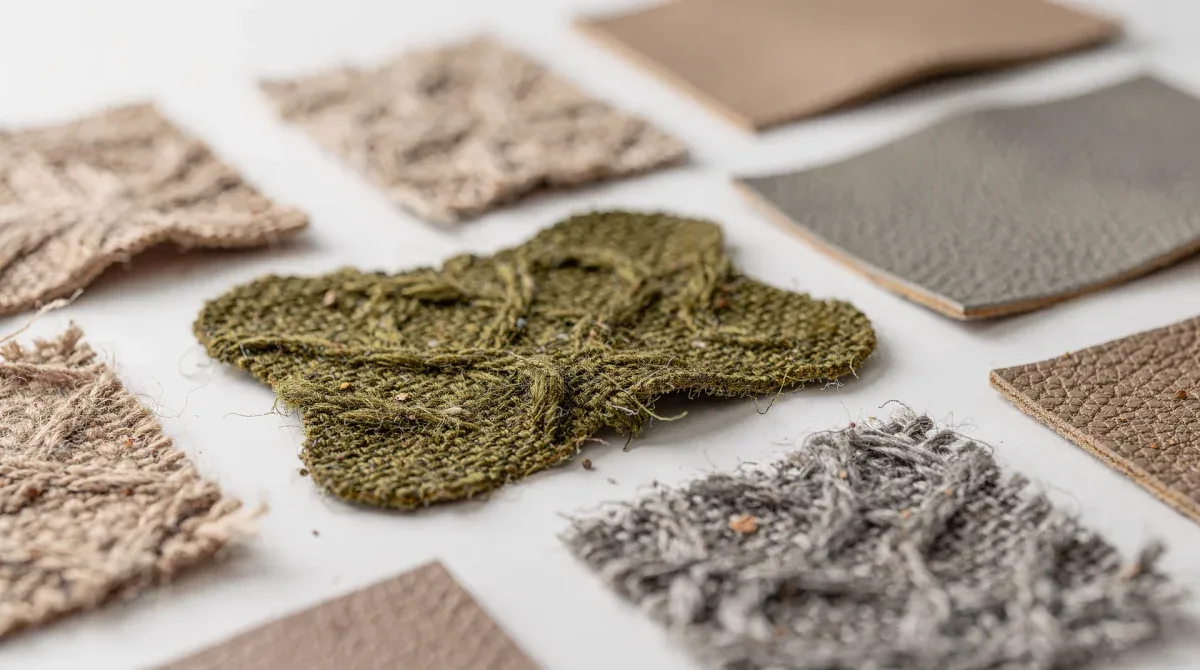
The integration of bio-fabrics into luxury collections signifies a commitment to forward-thinking design and responsible innovation. It demonstrates that the future of fashion can be both beautiful and benign, offering consumers choices that align with their values for a healthier planet.
The Impact of Sustainable Materials on Modern Fashion Design
The shift towards sustainable materials like recycled cashmere and bio-fabrics is fundamentally reshaping modern fashion design. Designers are no longer just considering aesthetics and functionality; they are also deeply engaged with the provenance and environmental footprint of their materials. This new paradigm is fostering creativity and innovation, leading to garments that are both beautiful and ethically sound.
Designers are embracing the unique textures, properties, and stories that sustainable materials offer. Recycled cashmere, for example, allows for the creation of classic, timeless pieces with a modern, eco-conscious narrative. Bio-fabrics, with their diverse origins and characteristics, inspire entirely new design possibilities, pushing the boundaries of textile innovation.
Designing with Purpose and Longevity
The focus on sustainable materials encourages a design philosophy centered on longevity and timelessness, moving away from fast fashion's disposable model. This means creating pieces that are built to last and transcend fleeting trends.
- Durability and Quality: Prioritizing materials and construction techniques that ensure garments withstand the test of time, reducing the need for frequent replacements.
- Versatile Design: Creating adaptable pieces that can be styled in multiple ways and worn across different seasons, maximizing their utility and lifespan.
- Emotional Connection: Designing garments with narratives of sustainability and ethical production, fostering a deeper, more meaningful connection with the wearer.
The integration of these materials also influences the entire design process, from initial sketch to final product. Designers must understand the nuances of each material, its strengths, limitations, and how it behaves when cut, sewn, and draped. This often leads to more thoughtful and intentional design decisions, where every element serves a purpose.
Moreover, the aesthetic of sustainable fashion is evolving. It is moving beyond a raw, naturalistic look to encompass sophisticated, high-fashion aesthetics that rival traditional luxury. The ability to create opulent and refined garments from recycled and bio-based sources is a testament to the advancements in material science and design ingenuity. This demonstrates that sustainable choices can be at the forefront of style.
Overcoming Challenges and Embracing Opportunities
While the rise of 100% recycled cashmere and bio-fabrics presents immense opportunities for a more sustainable fashion industry, it is not without its challenges. Scaling production, ensuring consistent quality, and educating consumers are critical hurdles that the industry is actively working to overcome. However, these challenges also pave the way for exciting innovations and collaborations.
One significant challenge lies in the infrastructure required for collecting, sorting, and processing recycled materials on a large scale. For bio-fabrics, the cost of research and development, coupled with the nascent stages of commercial production, can make them more expensive than conventional alternatives. Nevertheless, as demand grows and technologies mature, economies of scale will invariably drive down costs.
The Path Forward: Collaboration and Consumer Education
Addressing these challenges requires a multi-faceted approach, involving stakeholders across the entire value chain. Collaboration and consumer awareness are key to accelerating the adoption of sustainable practices.
- Industry Collaboration: Brands, manufacturers, and material scientists are increasingly collaborating to share knowledge, develop new technologies, and standardize sustainable practices.
- Investment in R&D: Continued investment in research and development is crucial for improving recycling processes and bringing new bio-fabrics to market at competitive prices.
- Consumer Awareness: Educating consumers about the benefits and value of sustainable materials helps drive demand and encourages responsible purchasing decisions.
The opportunities, however, far outweigh the challenges. The market for sustainable luxury is growing rapidly, driven by an increasingly conscious consumer base. Brands that embrace these materials are not only contributing to a healthier planet but are also positioning themselves as leaders in innovation and ethical responsibility, appealing to a new generation of luxury buyers.
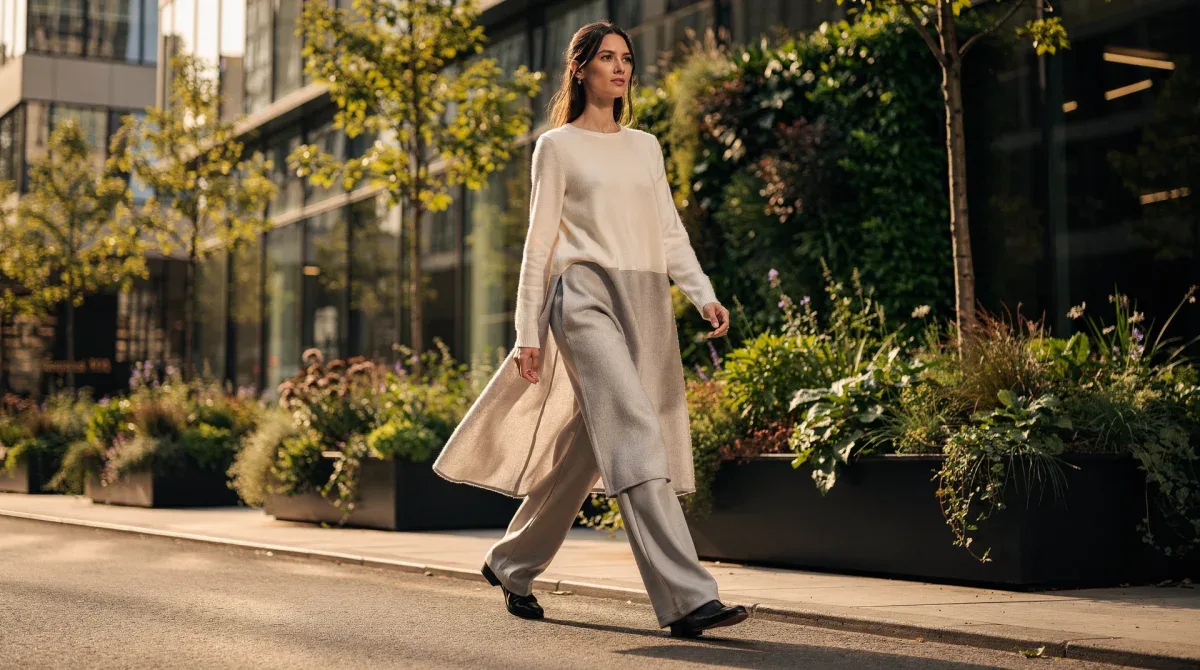
Ultimately, the journey towards a fully sustainable fashion industry is ongoing, but the progress made with recycled cashmere and bio-fabrics signals a promising future. It's a future where luxury is synonymous with responsibility, and where fashion actively contributes to global well-being.
The Consumer's Role in Driving Sustainable Luxury
The power of the consumer cannot be overstated in accelerating the shift towards sustainable luxury fashion. As individuals become more informed and conscious about the environmental and social impact of their purchases, their choices send a clear message to the industry. This demand-driven change is a powerful catalyst for brands to innovate and adopt more responsible practices.
Consumers are increasingly looking beyond price and brand name, prioritizing transparency, ethical production, and the environmental footprint of garments. This discerning approach is compelling designers and manufacturers to integrate sustainable materials and processes into their core business models, not just as a niche offering, but as a fundamental aspect of their brand identity.
Making Informed Choices
Empowering consumers to make sustainable choices involves providing clear information and accessible options. Brands play a crucial role in communicating the value and benefits of recycled cashmere and bio-fabrics.
- Look for Certifications: Seek out products with certifications that verify sustainable sourcing, ethical labor, and environmental responsibility.
- Read Product Labels: Pay attention to material composition and brand narratives to understand the story behind your garment.
- Support Innovative Brands: Choose to buy from brands that are actively investing in sustainable materials and circular economy initiatives.
- Embrace Longevity: Invest in high-quality, timeless pieces made from sustainable materials that are designed to last, rather than succumbing to fast fashion trends.
The act of purchasing a garment made from recycled cashmere or a bio-fabric is more than just a transaction; it's a vote for a better future. Each choice contributes to a collective movement that encourages the industry to further reduce waste, conserve resources, and promote ethical practices. This collective action is essential for driving systemic change.
By consciously opting for sustainable luxury, consumers are not only acquiring beautiful and high-quality items but are also becoming active participants in a global effort to redefine value. They are demonstrating that style and sustainability are not mutually exclusive but are, in fact, intrinsically linked in the modern era. This conscious consumption creates a positive feedback loop, encouraging more brands to embrace sustainable innovations and making eco-friendly choices the new standard for luxury.
The Future Landscape of Eco-Conscious Elegance
The trajectory of sustainable luxury fashion is set towards an increasingly innovative and integrated future. The advancements in 100% recycled cashmere and the proliferation of bio-fabrics are just the beginning of a larger movement that promises to transform the entire industry. We are moving towards a landscape where eco-consciousness is not an add-on but an intrinsic part of elegance and desirability.
Future innovations are expected to expand beyond current material solutions, with ongoing research into new forms of textile recycling, regenerative agriculture for fiber production, and biomimicry that draws inspiration from natural processes. The goal is to create a fully circular system, where every material can be endlessly reused or safely returned to nature.
Emerging Technologies and Trends
The horizon of sustainable luxury is brimming with potential, driven by technological breakthroughs and a deeper understanding of ecological principles. These emerging trends will further solidify the industry's commitment to eco-conscious practices.
- Advanced Material Science: Development of 'smart' bio-fabrics with enhanced performance features, such as self-cleaning or temperature-regulating properties, derived from natural sources.
- Digitalization of Supply Chains: Increased use of blockchain and AI to ensure complete transparency and traceability of materials from origin to final product.
- Customization and On-Demand Production: Reducing waste by producing garments only when they are ordered, minimizing excess inventory and resource consumption.
- Biodegradable Packaging: A shift towards packaging solutions that are fully compostable or made from recycled materials, extending sustainability beyond the garment itself.
The integration of these technologies and trends will not only make sustainable practices more efficient and scalable but will also enhance the luxury experience. Consumers will be able to trace the journey of their garments, understand their impact, and appreciate the craftsmanship that goes into creating truly ethical and beautiful pieces.
The future of eco-conscious elegance envisions a world where high fashion and environmental responsibility are seamlessly intertwined. It's a future where the pursuit of beauty also means the preservation of our planet, offering a truly holistic definition of luxury that aligns with the values of a conscious global society. This ongoing evolution promises a more responsible, innovative, and ultimately more beautiful fashion world for generations to come.
| Key Aspect | Brief Description |
|---|---|
| Recycled Cashmere | Transforms post-consumer and industrial waste into luxurious new fabrics, reducing environmental impact and resource demand. |
| Bio-Fabrics Innovation | Utilizes natural sources like plants and fungi to create eco-friendly textiles, offering biodegradable and resource-efficient alternatives. |
| Ethical Production | Emphasizes fair labor, transparent supply chains, and minimal environmental footprint in all stages of garment creation. |
| Consumer Influence | Informed consumer choices drive demand for sustainable options, encouraging brands to adopt eco-conscious practices and innovations. |
Frequently Asked Questions about Sustainable Luxury Fashion
What defines sustainable luxury fashion?▼Sustainable luxury fashion integrates environmental responsibility and ethical practices with high-end design and craftsmanship. It prioritizes materials like recycled cashmere and bio-fabrics, focusing on reduced ecological impact, fair labor, and transparent supply chains, without compromising on quality or aesthetic appeal.
How is 100% recycled cashmere made?▼100% recycled cashmere is created by collecting post-industrial and post-consumer cashmere garments. These are sorted, deconstructed into fibers, cleaned, and then re-spun into new yarns. This process significantly reduces waste, water, and energy consumption compared to virgin cashmere production, while retaining its luxurious qualities.
What are bio-fabrics and why are they important?▼Bio-fabrics are textiles derived from natural sources such as plants (e.g., pineapple leaves, orange peels), fungi (mycelium), or algae. They are important because they offer renewable, often biodegradable, and resource-efficient alternatives to traditional synthetic and natural fibers, minimizing environmental harm and promoting circularity in fashion.
Does sustainable luxury mean compromising on quality or style?▼Absolutely not. Modern sustainable luxury actively seeks to uphold and often enhance quality and style. Advancements in recycled materials and bio-fabrics ensure that garments are durable, aesthetically pleasing, and luxurious. Brands are proving that eco-conscious choices can lead to innovative designs and superior products, aligning with high fashion standards.
How can consumers contribute to sustainable luxury fashion?▼Consumers can contribute by making informed purchasing decisions. This includes choosing brands committed to ethical sourcing and sustainable materials, looking for certifications, investing in durable and timeless pieces, and educating themselves on the lifecycle of their garments. Supporting eco-conscious brands drives demand for a more responsible industry.
Conclusion
The evolution of sustainable luxury fashion, marked by the significant rise of 100% recycled cashmere and innovative bio-fabrics, signals a profound and welcome transformation within the industry. It demonstrates that opulence and environmental stewardship are not mutually exclusive, but rather, can coexist and thrive. This paradigm shift offers consumers the opportunity to indulge in exquisite design and unparalleled quality, all while making responsible choices that honor both people and the planet. As technology advances and consumer awareness grows, the future promises an even more integrated approach where eco-conscious elegance becomes the standard, redefining what it truly means to be luxurious in the 21st century.