Vagus Nerve Stimulation: 3 Breathwork Routines for Acute Anxiety
Vagus nerve stimulation techniques, particularly through specific breathwork routines, offer a rapid and effective method to alleviate acute anxiety by modulating the body's autonomic nervous system for immediate calm and improved well-being.
Experiencing acute anxiety can be debilitating, often striking without warning and disrupting daily life. Fortunately, understanding and utilizing vagus nerve stimulation techniques through specific breathwork routines can offer a powerful and rapid pathway to relief, often in under four minutes. This article delves into the science behind the vagus nerve and presents three clinical breathwork routines designed to help you regain calm and control.
Understanding the Vagus Nerve and Its Role in Anxiety
The vagus nerve, often referred to as the body's superhighway, is the longest cranial nerve, extending from the brainstem down to the abdomen, innervating various organs along its path. It plays a crucial role in regulating the parasympathetic nervous system, which is responsible for the 'rest and digest' response. When activated, the vagus nerve helps slow heart rate, lower blood pressure, and promotes a sense of calm, effectively counteracting the 'fight or flight' response triggered by anxiety.
Chronic stress and acute anxiety can suppress vagal tone, making it harder for the body to return to a state of equilibrium. By consciously stimulating the vagus nerve, we can enhance vagal tone, leading to improved resilience against stress and a reduced propensity for anxiety attacks. This connection between breath, the nervous system, and emotional regulation is a cornerstone of many holistic health practices, now increasingly backed by scientific research.
The Autonomic Nervous System: A Brief Overview
Our autonomic nervous system (ANS) operates largely unconsciously, regulating vital bodily functions. It comprises two main branches: the sympathetic nervous system (SNS) and the parasympathetic nervous system (PNS). The SNS is responsible for mobilizing the body for action, while the PNS, largely controlled by the vagus nerve, calms it down.
- Sympathetic Nervous System (SNS): Triggers the 'fight or flight' response, increasing heart rate, respiration, and muscle tension in response to perceived threats.
- Parasympathetic Nervous System (PNS): Initiates the 'rest and digest' response, promoting relaxation, slowing heart rate, and aiding digestion.
- Vagus Nerve: The primary conductor of the PNS, crucial for emotional regulation, inflammation control, and gut-brain communication.
Understanding this intricate balance is key to appreciating how targeted interventions, such as breathwork, can profoundly impact our mental and physical state. By directly influencing the vagus nerve, we can shift our ANS from a state of heightened alert to one of tranquility.
In conclusion, the vagus nerve is not merely a biological pathway but a vital link to our emotional and physiological well-being. Its proper functioning is paramount for managing anxiety and fostering overall health. Learning to activate it through simple, clinical techniques offers a powerful self-regulation tool.
The Science Behind Breathwork and Vagal Tone
Breathwork is far more than just taking deep breaths; it's a deliberate practice of controlling respiration to influence physiological and psychological states. The intimate connection between breathing patterns and the vagus nerve is well-documented. Slow, deep, and diaphragmatic breathing, in particular, has been shown to be a potent activator of the vagus nerve, thereby enhancing vagal tone.
When we breathe slowly and deeply, especially exhaling for a longer duration than inhaling, we stimulate mechanoreceptors in the lungs and diaphragm. These receptors send signals to the brainstem, which in turn communicates with the vagus nerve. This cascade of events leads to a reduction in heart rate variability (HRV) and a shift towards parasympathetic dominance, effectively calming the nervous system. This physiological response is almost immediate, making breathwork an excellent tool for acute anxiety relief.
Heart Rate Variability (HRV) and Vagal Tone
Heart Rate Variability (HRV) is a key indicator of vagal tone and overall nervous system health. It measures the variation in time between heartbeats. A higher HRV generally indicates a more adaptable and resilient nervous system, capable of effectively managing stress. Conversely, a lower HRV is often associated with chronic stress, anxiety, and various health issues.
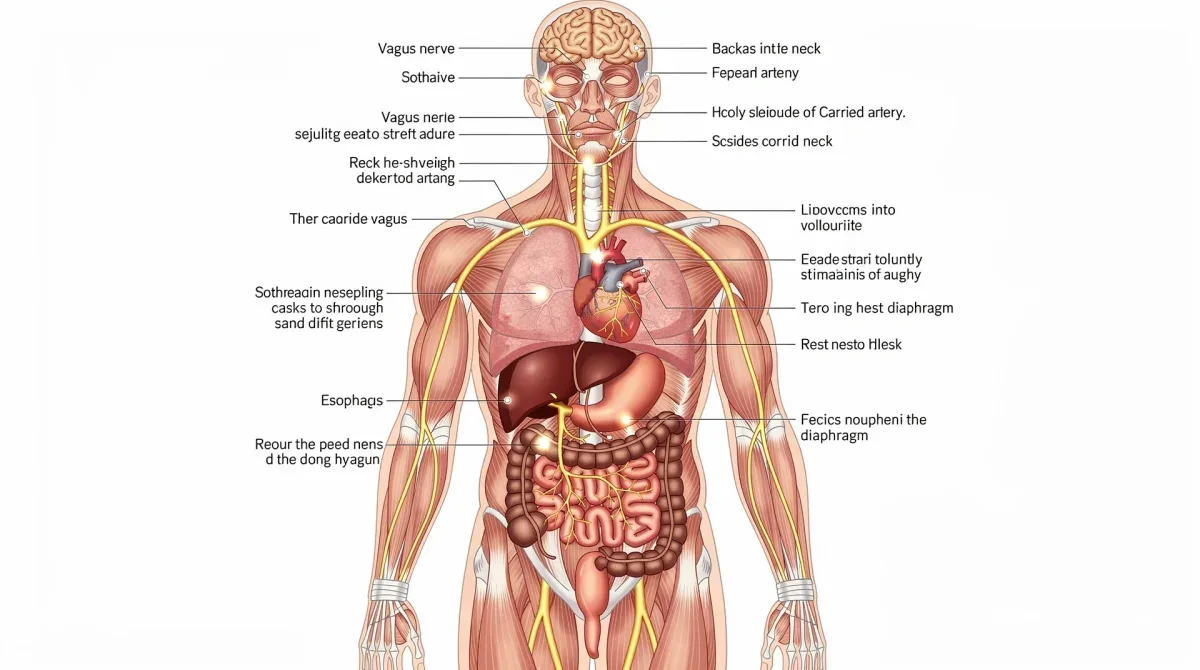
Breathwork directly impacts HRV by influencing the balance between the sympathetic and parasympathetic nervous systems. By engaging in controlled breathing techniques, individuals can actively increase their HRV, signaling to the brain that it is safe to relax and recover. This is not just a temporary fix; consistent practice can lead to a sustained improvement in vagal tone and a more robust stress response over time.
- Increased Vagal Tone: Associated with better emotional regulation, resilience, and overall health.
- Decreased Vagal Tone: Linked to higher stress levels, anxiety, and increased inflammation.
- Breathwork's Role: Specific breathing patterns can directly stimulate the vagus nerve, improving vagal tone and reducing anxiety.
The scientific literature increasingly supports the efficacy of breathwork as a non-pharmacological intervention for anxiety and stress management. Integrating these practices into daily routines can offer a profound sense of control over one's physiological and emotional states.
In summary, the science clearly demonstrates that intentional breathwork is a powerful modulator of the vagus nerve and the autonomic nervous system. By understanding and applying these principles, individuals can harness their breath to achieve rapid and lasting calm.
Routine 1: The 4-7-8 Breathing Technique
The 4-7-8 breathing technique, popularized by Dr. Andrew Weil, is a simple yet powerful routine designed to induce relaxation and reduce anxiety quickly. It works by increasing oxygen intake, slowing the heart rate, and stimulating the vagus nerve. This technique can be practiced anywhere, anytime, making it an ideal tool for moments of acute anxiety.
The method involves a specific ratio of inhalation, breath-holding, and exhalation. The extended exhalation phase is particularly effective in activating the parasympathetic nervous system, signaling to the body that it's safe to relax. With consistent practice, the body learns to associate this breathing pattern with a state of calm, making it even more effective over time.
How to Practice 4-7-8 Breathing
To begin, find a comfortable position, either sitting or lying down. Place the tip of your tongue against the ridge of tissue just behind your upper front teeth, and keep it there throughout the entire breathing process. Exhale completely through your mouth, making a 'whoosh' sound. This prepares your lungs for the next steps.
- Inhale: Close your mouth and inhale quietly through your nose to a mental count of four.
- Hold: Hold your breath for a count of seven.
- Exhale: Exhale completely through your mouth, making a 'whoosh' sound, for a count of eight.
- Repeat: This completes one breath. Inhale again and repeat the cycle three more times for a total of four breaths.
The key is to maintain the ratio of 4-7-8, even if you can't hold your breath for the full seven seconds initially. The numbers are less important than the ratio. Aim to practice this routine at least twice a day to build proficiency and integrate it into your stress-relief toolkit. Many individuals report feeling calmer and more centered after just a few cycles.

The 4-7-8 technique is a practical and accessible method for immediate anxiety reduction. Its simplicity and effectiveness make it a valuable addition to any wellness routine, offering a quick pathway to vagus nerve stimulation and subsequent calm.
Routine 2: Diaphragmatic Breathing (Belly Breathing)
Diaphragmatic breathing, often called belly breathing, is a fundamental technique for activating the vagus nerve and promoting deep relaxation. Unlike shallow chest breathing, which can exacerbate anxiety, diaphragmatic breathing engages the diaphragm, leading to fuller, more efficient breaths that directly stimulate the parasympathetic nervous system.
This routine focuses on drawing air deep into the lungs, causing the abdomen to rise, rather than the chest. This deeper breathing pattern not only increases oxygen exchange but also provides a gentle massage to the vagus nerve as it passes through the diaphragm. Regular practice can significantly improve vagal tone and reduce the overall physiological response to stress.
Implementing Diaphragmatic Breathing
To practice diaphragmatic breathing, find a comfortable position, either lying on your back with knees bent or sitting upright. Place one hand on your chest and the other on your abdomen, just below your rib cage. This allows you to feel the movement of your diaphragm.
- Inhale: Breathe in slowly and deeply through your nose, allowing your abdomen to rise. Your chest should remain relatively still.
- Exhale: Exhale slowly through pursed lips, gently drawing your abdomen inward. Feel your hand on your belly move down.
- Rhythm: Aim for a smooth, continuous rhythm. Focus on making your exhalations slightly longer than your inhalations.
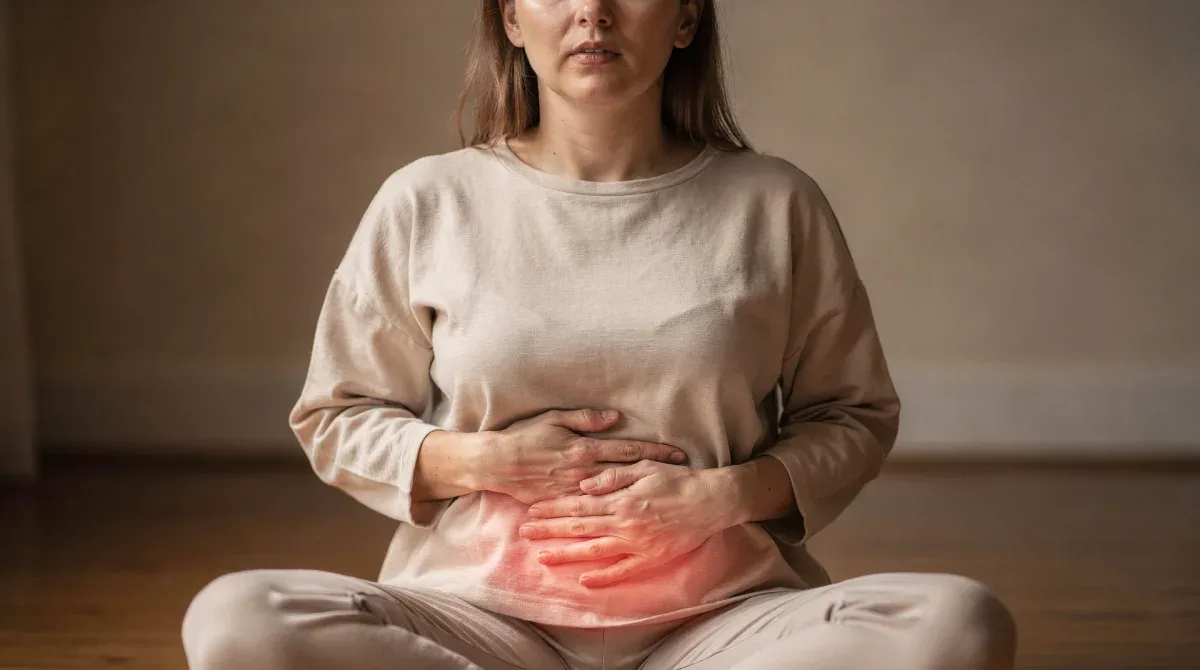
Practice this for 5-10 minutes daily, or whenever you feel acute anxiety beginning to set in. The goal is to make diaphragmatic breathing your default breathing pattern, even during stressful situations. Initially, it might feel unnatural, especially if you're accustomed to shallow chest breathing, but with persistence, it becomes second nature.
Diaphragmatic breathing is a cornerstone of vagus nerve stimulation and anxiety management. Its ability to directly engage the parasympathetic system offers a powerful, natural way to calm the body and mind, providing immediate relief and long-term benefits for stress resilience.
Routine 3: Coherent Breathing (Resonance Breathing)
Coherent breathing, also known as resonance breathing, involves breathing at a rate of approximately five breaths per minute (five seconds inhale, five seconds exhale). This specific rhythm is believed to optimize heart rate variability and synchronize heart, lung, and brain rhythms, leading to a state of calm and mental clarity.
Research suggests that coherent breathing is particularly effective in enhancing vagal tone and reducing the physiological markers of stress. By creating a harmonious rhythm within the body, this technique helps to regulate the autonomic nervous system, promoting a deep sense of relaxation and reducing the intensity of acute anxiety episodes. It's a more advanced form of breathwork, building on the principles of slow, deep breathing.
Mastering Coherent Breathing
To practice coherent breathing, find a quiet and comfortable place. You may wish to use a timer or a guided audio track that provides cues for inhaling and exhaling at the 5-second interval. The key is to maintain a smooth, effortless flow of breath.
- Inhale: Inhale slowly and smoothly through your nose for a count of five seconds. Focus on filling your lungs completely without straining.
- Exhale: Exhale slowly and smoothly through your nose for a count of five seconds. Allow the breath to leave your body gently.
- Rhythm: Maintain this consistent 5-second inhale, 5-second exhale rhythm for several minutes.
Start with 5-10 minutes of coherent breathing and gradually increase the duration as you become more comfortable. Many practitioners find that coherent breathing not only alleviates acute anxiety but also improves focus, mood, and overall well-being. It's a powerful technique for cultivating a resilient nervous system and a calm mind.
Coherent breathing offers a systematic approach to vagus nerve stimulation, leveraging a precise rhythm to optimize physiological responses. Its capacity to harmonize bodily systems makes it an invaluable tool for managing anxiety and fostering a deeper state of inner peace.
Integrating Breathwork into Your Daily Life for Lasting Calm
While these three clinical breathwork routines are incredibly effective for stopping acute anxiety in under four minutes, their true power lies in consistent integration into your daily life. Regular practice not only provides immediate relief but also builds resilience, gradually enhancing your vagal tone and making you less susceptible to the overwhelming effects of stress and anxiety.
Think of breathwork as a muscle you are training. The more you engage it, the stronger and more responsive it becomes. Just a few minutes each day can create significant long-term changes in your nervous system's ability to self-regulate. Establishing a routine around these practices can transform how you experience and respond to daily stressors.
Tips for Consistent Practice
Making breathwork a habit requires intention and consistency. Start small and build up gradually. Even a few minutes of focused breathing can make a difference. The key is to find what works best for you and to stick with it.
- Morning Routine: Begin your day with 5-10 minutes of diaphragmatic or coherent breathing to set a calm tone.
- Mid-day Check-in: Use the 4-7-8 technique during a coffee break or before a challenging meeting to reset your nervous system.
- Evening Wind-down: Practice any of these routines before bed to promote restful sleep and reduce nighttime anxiety.
- Mindful Moments: Integrate short breathwork sessions into everyday activities, such as waiting in line or commuting.
Beyond structured practice, simply becoming more aware of your breath throughout the day can be beneficial. Notice when your breathing becomes shallow or rapid, and gently guide it back to a slower, deeper rhythm. This mindful awareness is a form of continuous vagus nerve stimulation.
Incorporating these breathwork techniques into your daily life is a proactive step towards greater emotional resilience and overall well-being. It empowers you with a simple, yet profound, tool to manage anxiety and cultivate a lasting sense of calm and clarity.
| Key Technique | Brief Description |
|---|---|
| 4-7-8 Breathing | Inhale 4s, Hold 7s, Exhale 8s. Rapidly calms the nervous system. |
| Diaphragmatic Breathing | Belly breathing to engage the diaphragm, promoting deep relaxation and vagal nerve stimulation. |
| Coherent Breathing | 5-second inhale, 5-second exhale rhythm to optimize HRV and synchronize bodily rhythms. |
| Vagus Nerve Focus | All techniques directly stimulate the vagus nerve to activate the 'rest and digest' response. |
Frequently asked questions about vagus nerve stimulation and anxiety
How quickly can vagus nerve stimulation breathwork alleviate anxiety?▼Many individuals report feeling a noticeable reduction in acute anxiety symptoms within 2-4 minutes of starting these breathwork routines. The immediate physiological shift towards parasympathetic dominance helps calm the nervous system rapidly, offering quick relief in moments of distress.
Is vagus nerve stimulation through breathwork safe for everyone?▼Yes, breathwork techniques are generally safe for most individuals. However, if you have severe respiratory or cardiac conditions, it's always wise to consult with a healthcare professional before starting any new breathing exercises to ensure they are appropriate for your specific health needs.
Can these breathwork routines be used for chronic anxiety, not just acute episodes?▼Absolutely. Consistent daily practice of these vagus nerve stimulating breathwork routines can significantly improve overall vagal tone. This enhanced vagal tone contributes to greater resilience against stress and may help reduce the frequency and intensity of chronic anxiety over time, fostering a calmer baseline state.
What is the ideal duration for practicing these breathwork techniques?▼For acute anxiety, 2-4 minutes can provide immediate relief. For long-term benefits and improved vagal tone, aim for 5-10 minutes of practice, 1-3 times daily. Consistency is more important than duration, so even short, regular sessions are highly beneficial for sustained calm.
How do I know if I'm effectively stimulating my vagus nerve?▼You'll likely notice physiological signs of relaxation, such as a slower heart rate, deeper and calmer breathing, reduced muscle tension, and a general feeling of peacefulness. Over time, improved sleep, better digestion, and enhanced emotional regulation also indicate effective vagus nerve stimulation and improved vagal tone.
Conclusion
The journey to managing acute anxiety often feels overwhelming, but the power to find calm can be literally at your fingertips—or rather, within your breath. By understanding the profound connection between the vagus nerve and your nervous system, and by integrating these three clinical breathwork routines into your life, you gain immediate, effective tools to counteract anxiety. From the rapid relief of 4-7-8 breathing to the foundational calm of diaphragmatic breathing and the harmonizing effects of coherent breathing, each technique offers a pathway to re-establish balance. Consistent practice not only provides quick relief during moments of distress but also builds a stronger, more resilient nervous system, paving the way for lasting peace and well-being. Embrace these simple yet powerful practices and reclaim control over your emotional landscape, fostering a life of greater calm and clarity.
