Zone 2 Cardio: Boost Mitochondrial Health Weekly
Zone 2 cardio, characterized by low-intensity movement maintaining 60-70% of maximum heart rate, is crucial for optimizing mitochondrial function, improving metabolic flexibility, and enhancing overall cellular health with just 150 minutes per week.
Have you ever wondered if there's a simple, sustainable way to significantly improve your health, boost energy, and even extend your lifespan? The answer lies in understanding and implementing the Zone 2 cardio blueprint. This low-intensity approach to exercise isn't just another fitness trend; it's a scientifically backed strategy for enhancing your body at a cellular level, particularly your mitochondrial health.
Understanding Zone 2 Cardio: The Foundation of Endurance
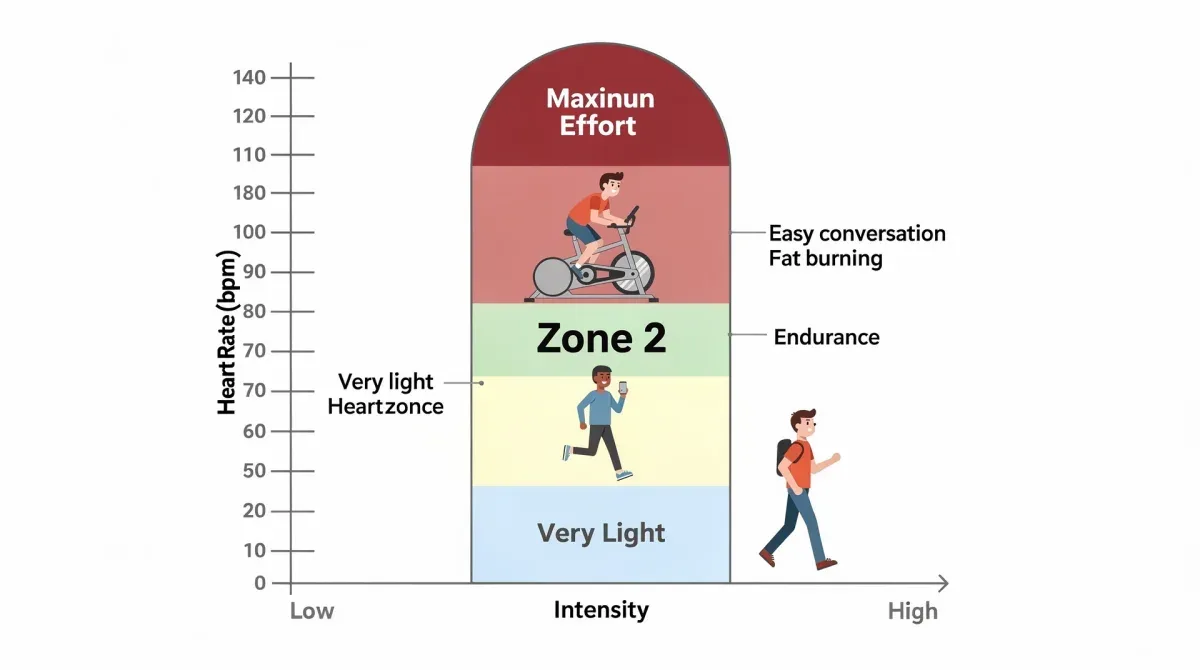
Zone 2 cardio refers to exercise performed at an intensity where your heart rate is typically 60-70% of your maximum heart rate. This level of exertion allows you to sustain activity for extended periods, usually between 30 to 60 minutes or more, while still being able to hold a conversation. It's not about pushing yourself to your limits, but rather about consistent, moderate effort that yields profound physiological benefits.
Many people gravitate towards high-intensity workouts, believing that more effort always equals better results. However, Zone 2 training targets a different energy system, primarily relying on fat oxidation for fuel. This makes it incredibly efficient for building aerobic capacity and improving your body's ability to utilize fat as an energy source, which is a cornerstone of metabolic health.
Why intensity matters for Zone 2 training
The specific intensity of Zone 2 is critical because it's the sweet spot where your body efficiently produces ATP (adenosine triphosphate) aerobically, with minimal lactate accumulation. This contrasts sharply with higher intensity zones where glucose becomes the primary fuel and lactate rapidly builds up, leading to fatigue. Maintaining the right intensity ensures you're training your aerobic system effectively without overstressing your body.
- Fat Oxidation: Maximizes the body's ability to burn fat for fuel.
- Aerobic Capacity: Builds endurance and stamina for daily activities and sports.
- Reduced Stress: Lower intensity means less physiological stress on the body compared to HIIT.
- Improved Recovery: Easier on joints and muscles, facilitating quicker recovery.
Ultimately, incorporating Zone 2 cardio into your routine isn't just about moving; it's about moving smarter. It's a deliberate choice to train your body to be more efficient, resilient, and capable of sustained effort, laying a crucial foundation for all other forms of physical activity.
The Mitochondrial Connection: Powerhouses of the Cell
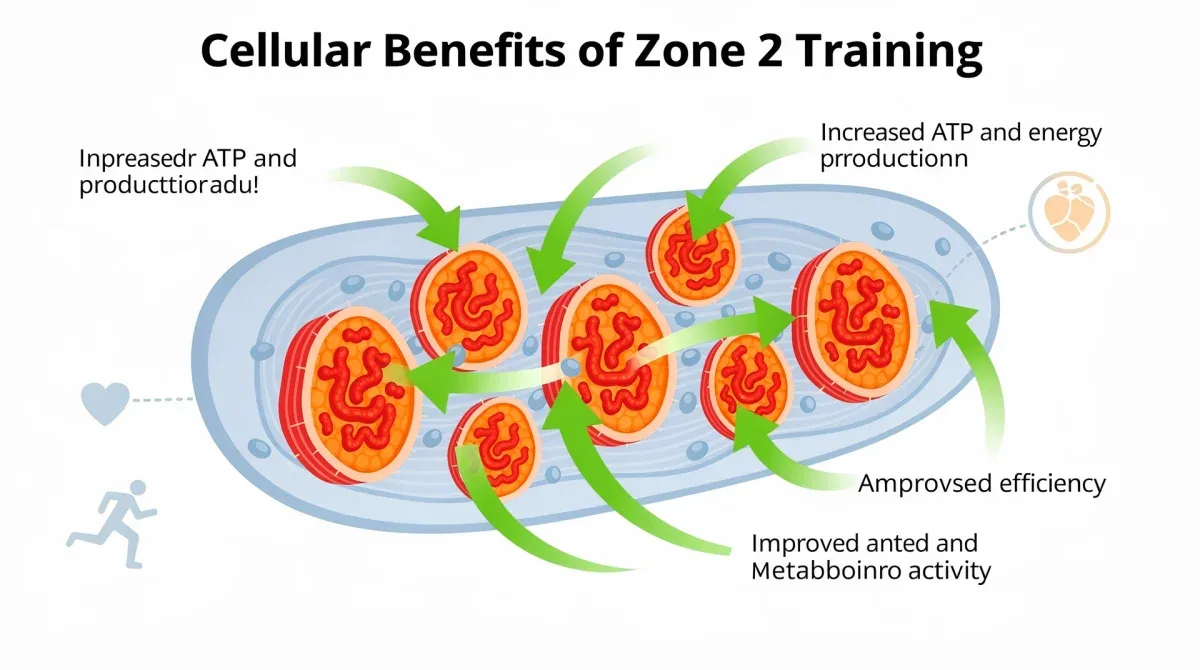
At the heart of Zone 2 cardio's benefits lies its profound impact on mitochondria. Often called the 'powerhouses of the cell,' mitochondria are organelles responsible for generating most of the chemical energy needed to power a cell's biochemical reactions. They convert energy from food into ATP, the fuel that drives almost all cellular processes. Healthy mitochondria are essential for overall health, energy levels, and disease prevention.
When you engage in consistent Zone 2 training, you send a powerful signal to your cells to adapt and improve their mitochondrial function. This includes increasing the number of mitochondria (mitochondrial biogenesis), improving their efficiency, and enhancing their ability to handle metabolic stress. These adaptations are vital for maintaining high energy levels and preventing age-related decline.
How Zone 2 stimulates mitochondrial health
Low-intensity, sustained exercise creates a demand for energy that can be met most efficiently through aerobic pathways, which are largely dependent on mitochondrial function. This consistent demand encourages the body to produce more mitochondria and enhance the existing ones. It's like upgrading your car's engine; you get better fuel efficiency and more power.
- Increased Mitochondrial Density: More mitochondria mean more cellular energy production.
- Enhanced Mitochondrial Function: Existing mitochondria become more efficient at converting fuel to energy.
- Improved Metabolic Flexibility: The body becomes better at switching between fat and glucose as fuel sources.
- Reduced Oxidative Stress: Healthy mitochondria are better equipped to handle free radicals, reducing cellular damage.

The cumulative effect of these mitochondrial adaptations is a body that is more resilient, more energetic, and better equipped to handle the demands of daily life. It’s a foundational element of longevity and vitality that often gets overlooked in the pursuit of high-intensity thrills.
Designing Your Zone 2 Cardio Blueprint: 150 Minutes Weekly
Implementing the Zone 2 cardio blueprint effectively requires a clear understanding of how to structure your workouts and consistently hit your target heart rate. The recommendation of 150 minutes of weekly low-intensity movement isn't arbitrary; it's a guideline based on extensive research into optimal health outcomes. This doesn't mean you need to do a single 2.5-hour session; rather, it encourages breaking it down into manageable segments.
For many, this might mean three 50-minute sessions, or five 30-minute sessions. The key is consistency and ensuring you spend enough time in the correct heart rate zone. Various activities can qualify as Zone 2, making it accessible and enjoyable for different preferences and fitness levels. The goal is to make it a sustainable part of your lifestyle.
Calculating your Zone 2 heart rate
To accurately hit Zone 2, you need to know your maximum heart rate (MHR). A common estimation is 220 minus your age. Once you have your MHR, calculate 60-70% of that number. For example, if you are 40 years old, your estimated MHR is 180 bpm. Your Zone 2 would then be between 108-126 bpm. While this formula is a good starting point, individual variations exist, and listening to your body is crucial.
- Monitor your heart rate: Use a heart rate monitor (chest strap, smartwatch) for accuracy.
- The 'talk test': You should be able to carry on a conversation, but not sing.
- Perceived Exertion: On a scale of 1-10, you should feel like you're at a 4-5.
Choosing activities you enjoy is paramount for adherence. Whether it's brisk walking, light jogging, cycling, swimming, or even hiking on flat terrain, the goal is to maintain that steady, conversational pace. This consistency, rather than sporadic bursts of intense activity, is what drives long-term mitochondrial and metabolic improvements.
Practical Applications: Integrating Zone 2 into Your Lifestyle
Integrating Zone 2 cardio into a busy schedule might seem challenging, but its flexibility allows for numerous practical applications. The beauty of this training lies in its accessibility and the wide array of activities that can fulfill the criteria. It doesn't require specialized equipment or a gym membership; often, just a pair of comfortable shoes and the outdoors are enough.
Think about how you can weave these low-intensity movements into your daily routine. Could you walk to work or take a longer route? Could you replace a sedentary activity with a brisk walk or a leisurely bike ride? Small, consistent changes add up significantly over time, making the 150-minute weekly target more achievable than it might initially appear.
Activity suggestions for Zone 2
The options for Zone 2 activities are diverse, catering to different preferences and physical capabilities. The key is to find something you genuinely enjoy and can sustain for the required duration at the right intensity. This enjoyment factor is crucial for long-term adherence and making exercise a positive habit rather than a chore.
- Brisk walking: A classic and highly effective Zone 2 activity, easily adaptable.
- Light jogging: Maintain a pace where you can comfortably speak in full sentences.
- Cycling: A steady, moderate pace on flat or gently rolling terrain.
- Swimming: Consistent laps at a comfortable, non-straining effort.
- Hiking: Gentle trails with minimal elevation gain allow for sustained low intensity.
Remember, the goal is not to push your limits but to sustain a comfortable yet challenging pace. This allows your body to tap into its fat-burning pathways and stimulate mitochondrial adaptations without excessive stress. Consistency, even more than intensity, is the driver of results in Zone 2 training.
Beyond Endurance: The Broader Health Benefits of Zone 2
While the impact on mitochondrial health and aerobic capacity is significant, the benefits of consistent Zone 2 cardio extend far beyond just endurance. This form of exercise contributes to a holistic improvement in overall health, influencing everything from metabolic markers to mental well-being. It's a foundational pillar for a healthier, more vibrant life.
One of the most notable broader benefits is improved metabolic flexibility. This refers to your body's ability to efficiently switch between using carbohydrates and fats for fuel. In a metabolically inflexible state, the body struggles to adapt, often relying too heavily on glucose, which can contribute to insulin resistance and other metabolic disorders. Zone 2 training helps retrain your body to become a more efficient fat burner.
Impact on chronic disease prevention
Regular Zone 2 exercise plays a crucial role in reducing the risk factors for several chronic diseases. By improving insulin sensitivity, managing blood pressure, and enhancing lipid profiles, it directly addresses some of the leading causes of morbidity and mortality in modern society. It's a proactive step towards a healthier future.
- Cardiovascular Health: Strengthens the heart, improves circulation, and lowers blood pressure.
- Blood Sugar Regulation: Enhances insulin sensitivity, aiding in diabetes prevention and management.
- Weight Management: Promotes fat burning and contributes to sustainable weight loss.
- Mental Well-being: Reduces stress, improves mood, and can alleviate symptoms of anxiety and depression.
The cumulative effect of these benefits underscores why Zone 2 cardio is not just an exercise strategy but a lifestyle intervention. It's a powerful tool for enhancing physical resilience, improving mental clarity, and extending healthspan, allowing you to enjoy a higher quality of life for longer.
Common Misconceptions and Optimizing Your Zone 2 Training
Despite its growing recognition, several common misconceptions often surround Zone 2 cardio, leading individuals to either underutilize or incorrectly apply this powerful training method. One prevalent myth is that if you're not gasping for breath, you're not working hard enough. This belief, often fueled by the popularity of high-intensity interval training (HIIT), can deter people from embracing the steady, sustainable effort required for Zone 2.
Another misunderstanding is that Zone 2 training is only for elite athletes or those specifically training for endurance events. In reality, its fundamental benefits for cellular health and metabolic efficiency are universal, applicable to anyone looking to improve their overall well-being, regardless of their fitness background. Dispelling these myths is crucial for widespread adoption and benefit.
Avoiding common pitfalls
To truly optimize your Zone 2 training, it's important to be mindful of common mistakes that can diminish its effectiveness. The most frequent error is going too hard. Many individuals struggle to stay within the prescribed heart rate zone, inadvertently slipping into Zone 3 or higher, which shifts the metabolic focus away from fat oxidation and mitochondrial development.
- Over-exertion: Consistently exceeding Zone 2 intensity negates its specific benefits.
- Inconsistent monitoring: Not using a heart rate monitor or the talk test can lead to inaccurate training.
- Insufficient duration: Short, sporadic sessions may not provide enough stimulus for adaptation.
- Ignoring recovery: While low-intensity, adequate rest is still important for adaptations to occur.
Another pitfall is expecting immediate, dramatic results. The benefits of Zone 2 cardio, particularly those related to mitochondrial health, are cumulative and manifest over time. Patience and consistency are key. By understanding and avoiding these common errors, you can maximize the efficacy of your Zone 2 training and unlock its full potential for health and longevity.
| Key Aspect | Brief Description |
|---|---|
| Intensity Target | 60-70% of maximum heart rate, conversational pace. |
| Mitochondrial Benefits | Increases mitochondrial density and efficiency for better energy. |
| Weekly Goal | Aim for 150 minutes of sustained low-intensity movement. |
| Key Outcome | Improved metabolic flexibility, endurance, and overall cellular health. |
Frequently asked questions about Zone 2 cardio
What is the primary benefit of Zone 2 cardio?▼The primary benefit of Zone 2 cardio is the significant improvement in mitochondrial health. It increases the number and efficiency of mitochondria, enhancing the body's ability to produce energy aerobically, burn fat more effectively, and improve overall metabolic flexibility and cellular function.
How do I calculate my Zone 2 heart rate?▼A common method is to estimate your maximum heart rate (MHR) by subtracting your age from 220. Then, calculate 60-70% of that MHR. For example, if you are 30, your MHR is 190 bpm, making your Zone 2 between 114-133 bpm. Using a heart rate monitor is recommended for accuracy.
What types of activities qualify as Zone 2?▼Activities that allow you to maintain a conversational pace while exerting a steady, moderate effort are ideal for Zone 2. Examples include brisk walking, light jogging, leisurely cycling, swimming at a consistent pace, and hiking on flat or gently inclined terrain. The key is sustained, low-intensity movement.
Why is 150 minutes per week recommended for Zone 2 cardio?▼The 150-minute weekly recommendation is based on scientific research indicating this duration is effective for stimulating positive physiological adaptations, particularly in mitochondrial function and metabolic health. It provides a consistent stimulus without overtraining, making it sustainable for long-term health benefits.
Can Zone 2 cardio help with weight loss?▼Yes, Zone 2 cardio is highly effective for weight loss, primarily because it optimizes the body's ability to burn fat for fuel. By improving metabolic flexibility and increasing energy expenditure, it supports sustainable fat loss and helps maintain a healthy body composition, especially when combined with a balanced diet.
Conclusion
Embracing the Zone 2 cardio blueprint is more than just adding another workout to your routine; it's an investment in your long-term health and vitality. By consistently dedicating 150 minutes each week to low-intensity movement, you actively promote robust mitochondrial health, enhance metabolic flexibility, and build a resilient cardiovascular system. This foundational approach to exercise, often overlooked in the pursuit of high-intensity thrills, offers profound benefits that extend to energy levels, disease prevention, and overall well-being. It's a sustainable path to a healthier, more energetic life, proving that sometimes, less intensity can indeed lead to greater health gains.
