Gut Microbiome Reset: 30 Plant Foods Reduce Inflammation
Incorporating 30 distinct plant foods weekly can effectively initiate a gut microbiome reset, leading to a notable reduction in systemic inflammation markers and promoting enhanced overall health and well-being.
Are you looking for a powerful, natural way to improve your health? The concept of a gut microbiome reset, particularly through the simple yet profound act of adding 30 distinct plant foods weekly, is emerging as a cornerstone strategy for significantly dropping systemic inflammation markers. This approach offers a compelling pathway to enhanced well-being.
Understanding the Gut Microbiome and Systemic Inflammation
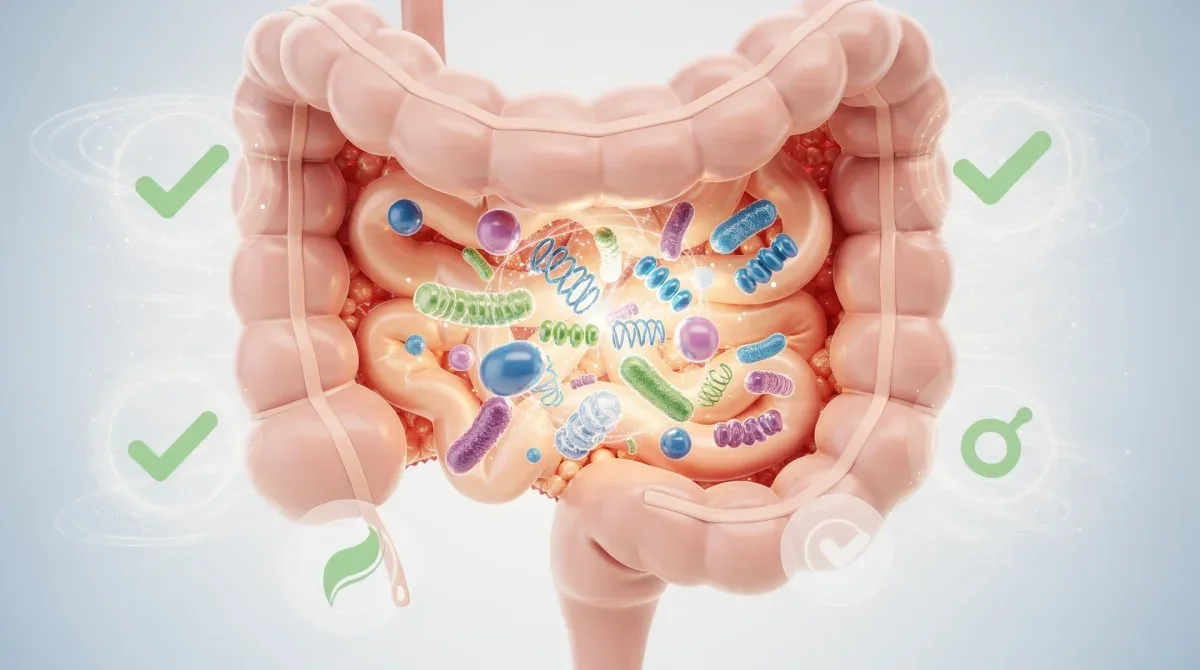
The human gut is home to trillions of microorganisms, collectively known as the gut microbiome. This complex ecosystem plays a crucial role not only in digestion but also in immune function, nutrient absorption, and even mood regulation. When this delicate balance is disrupted, a state known as dysbiosis, it can lead to far-reaching health consequences, including systemic inflammation.
Systemic inflammation is a chronic, low-grade inflammatory response that affects the entire body. Unlike acute inflammation, which is a necessary part of the healing process, chronic systemic inflammation can silently contribute to a host of serious health conditions, such as cardiovascular disease, type 2 diabetes, autoimmune disorders, and certain cancers. The connection between gut dysbiosis and systemic inflammation is increasingly clear: an unhealthy gut can trigger inflammatory pathways throughout the body.
The link between gut health and inflammation
The gut lining acts as a critical barrier, preventing harmful substances from entering the bloodstream. When the microbiome is imbalanced, this barrier can become compromised, leading to increased intestinal permeability, often referred to as 'leaky gut.' This allows undigested food particles, toxins, and microbial components to leak into the bloodstream, prompting an immune response and fueling systemic inflammation.
- Immune System Modulation: The gut microbiome trains and modulates the immune system. A diverse microbiome promotes immune tolerance, while dysbiosis can lead to an overactive or misdirected immune response.
- Short-Chain Fatty Acids (SCFAs): Beneficial gut bacteria produce SCFAs like butyrate, propionate, and acetate. These compounds are vital for gut barrier integrity and have potent anti-inflammatory properties throughout the body.
- Pathogen Suppression: A healthy, diverse microbiome can outcompete and suppress the growth of pathogenic bacteria, reducing the production of inflammatory toxins.
Understanding this intricate relationship underscores why focusing on gut health is paramount for managing and reducing systemic inflammation. By nurturing a diverse and thriving gut microbiome, we can significantly impact our body's inflammatory state, paving the way for improved health outcomes.
The Power of Plant Diversity: Why 30 Foods?
The idea of consuming 30 distinct plant foods weekly might sound ambitious, but it is rooted in compelling scientific evidence. Research consistently highlights that diversity in plant intake is a key predictor of a healthy and resilient gut microbiome. Each different plant food brings a unique array of fibers, prebiotics, polyphenols, and other beneficial compounds that selectively feed different species of gut bacteria.
Unlike simply eating more vegetables, the emphasis here is on variety. Think beyond your usual staples. While spinach and broccoli are excellent, incorporating a broader spectrum of plant foods introduces a wider range of fermentable fibers and phytochemicals, which in turn fosters a more diverse microbial community. A diverse microbiome is more robust, capable of performing a wider range of metabolic functions, and more resilient to disruptions.
Benefits of diverse plant intake for gut health
Increasing the variety of plant foods consumed directly correlates with an increase in the diversity of gut microbes. This microbial diversity is crucial for several reasons:
- Enhanced SCFA Production: Different fibers are fermented by different bacteria, leading to a broader production of beneficial SCFAs that support gut health and reduce inflammation.
- Stronger Gut Barrier: A diverse microbiome contributes to a stronger, more intact gut barrier, reducing the risk of 'leaky gut' and subsequent systemic inflammation.
- Wider Nutrient Spectrum: Each plant offers unique vitamins, minerals, and antioxidants, contributing to overall nutritional completeness and supporting anti-inflammatory processes.
- Resilience to Stress: A diverse gut ecosystem is better equipped to handle stressors like antibiotics, illness, or dietary changes, maintaining balance more effectively.
The target of 30 distinct plant foods weekly acts as a practical goal to encourage this vital diversity. This includes not just fruits and vegetables, but also nuts, seeds, legumes, whole grains, herbs, and spices. Each category contributes unique components that nourish different segments of your microbial community, creating a robust internal ecosystem that actively works to reduce systemic inflammation.
Practical Strategies for Reaching 30 Plant Foods Weekly
Achieving the goal of 30 distinct plant foods weekly might seem daunting at first glance, but with a few practical strategies, it becomes entirely manageable and even enjoyable. The key is to think broadly about what constitutes a 'plant food' and to integrate variety into your existing meals rather than overhauling your entire diet overnight.
Start by making a list of the plant foods you typically consume in a week. You might be surprised by how many you already eat. Then, identify areas where you can easily introduce new items. This isn't about eating 30 entirely new things every week, but rather about rotating your choices and adding a few novel ingredients here and there.
Tips for diversifying your plant intake
Small changes can lead to significant diversity over time. Here are some actionable tips to help you reach your goal:
- Explore the Produce Aisle: Pick one new fruit or vegetable each week that you've never tried before, or haven't had in a long time.
- Mix and Match: Instead of just one type of berry, combine blueberries, raspberries, and strawberries in your breakfast. Use different kinds of lettuce in your salad.
- Legume Power: Incorporate various beans, lentils, and chickpeas into soups, stews, salads, or as a side dish. There are many types beyond kidney beans!
- Nuts and Seeds: Keep a variety of nuts (almonds, walnuts, pecans) and seeds (chia, flax, pumpkin, sunflower) on hand for snacks, toppings, or additions to smoothies.
- Whole Grains Beyond Oats: Experiment with quinoa, farro, barley, bulgur, and different types of rice (wild, black, brown).
- Herbs and Spices: Don't underestimate the power of herbs and spices. They count! Use fresh parsley, cilantro, basil, oregano, turmeric, cumin, and more in your cooking.
- Frozen and Canned Options: Don't shy away from frozen fruits and vegetables or canned legumes. They are often just as nutritious and can make diversity more accessible.
Remember, each distinct plant counts. A single apple is one. A handful of almonds is another. A pinch of basil is yet another. By being mindful and intentional with your food choices, you can easily broaden your plant repertoire and foster a thriving gut microbiome. This approach is not about strict dietary rules but about embracing culinary exploration and nourishing your body from the inside out.
The Science Behind Reduced Systemic Inflammation Markers
The relationship between a diverse plant-rich diet, a healthy gut microbiome, and reduced systemic inflammation is not merely anecdotal; it is supported by a growing body of scientific evidence. When you consistently feed your gut microbes a wide array of plant fibers and phytochemicals, you actively cultivate an environment that fosters anti-inflammatory processes throughout the body.

One of the primary mechanisms involves the increased production of short-chain fatty acids (SCFAs, particularly butyrate. Butyrate is a powerhouse molecule, serving as the primary fuel source for colonocytes (cells lining the colon) and playing a critical role in maintaining the integrity of the gut barrier. A strong gut barrier prevents inflammatory compounds from entering the bloodstream. Beyond the gut, SCFAs have been shown to exert systemic anti-inflammatory effects by modulating immune cell function and reducing the activation of inflammatory pathways.
Key inflammation markers impacted
The impact of a diverse plant-based diet on systemic inflammation can be measured by observing changes in specific inflammation markers in the blood:
- C-Reactive Protein (CRP): A widely used marker of inflammation. Studies have shown that dietary interventions that improve gut health can lead to significant reductions in CRP levels.
- Interleukins (IL-6, IL-1β): These are pro-inflammatory cytokines, signaling molecules that promote inflammation. A healthy gut microbiome can help to downregulate their production.
- Tumor Necrosis Factor-alpha (TNF-α): Another pro-inflammatory cytokine implicated in various chronic inflammatory diseases. Gut-modulating diets can help to mitigate its activity.
- Lipopolysaccharides (LPS): These are components of bacterial cell walls, particularly from Gram-negative bacteria. When LPS leaks into the bloodstream (due to increased gut permeability), it triggers a potent inflammatory response. A stronger gut barrier, supported by a diverse microbiome, reduces LPS translocation.
By consistently nourishing a diverse gut microbiome with 30 distinct plant foods weekly, individuals are effectively engaging in a powerful therapeutic strategy. This dietary approach not only optimizes gut function but also directly contributes to a measurable decrease in key systemic inflammation markers, thereby lowering the risk of chronic diseases and improving overall health resilience. The evidence strongly suggests that this dietary intervention is a potent tool in the fight against chronic inflammation.
Beyond Inflammation: Holistic Benefits of a Diverse Plant Diet
While the primary focus of a gut microbiome reset through diverse plant food intake is on reducing systemic inflammation markers, the benefits extend far beyond this single aspect. Embracing a diet rich in 30 distinct plant foods weekly initiates a cascade of positive changes throughout the body, contributing to a more holistic state of well-being. This comprehensive approach to nutrition supports numerous physiological systems, enhancing overall health and vitality.
The intricate connections within our body mean that improving one fundamental system, like the gut microbiome, often has ripple effects. A healthier gut not only reduces inflammation but also optimizes nutrient absorption, strengthens immune defenses, and can even influence mental health. It’s a foundational shift that impacts nearly every aspect of your health, making this dietary strategy a powerful tool for comprehensive wellness.
Additional health improvements
The widespread advantages of a diverse plant-rich diet are numerous and impactful:
- Improved Digestive Health: Increased fiber intake from diverse plants promotes regular bowel movements, prevents constipation, and supports a healthy digestive tract.
- Enhanced Immune Function: A robust gut microbiome is intrinsically linked to a stronger immune system, helping the body fight off infections and illnesses more effectively.
- Better Weight Management: Plant-based foods are often higher in fiber and lower in calories, contributing to satiety and supporting healthy weight maintenance.
- Mental Health Benefits: The gut-brain axis is a well-established connection. A healthy gut microbiome can positively influence mood, reduce symptoms of anxiety and depression, and improve cognitive function.
- Reduced Risk of Chronic Diseases: Beyond inflammation, a diverse plant diet is associated with a lower risk of heart disease, type 2 diabetes, certain cancers, and neurodegenerative conditions.
- Increased Energy Levels: Optimized nutrient absorption and a balanced gut can lead to more stable energy levels throughout the day, reducing fatigue.
By consistently prioritizing a wide variety of plant foods, individuals are not just addressing inflammation; they are investing in their overall health architecture. This dietary pattern acts as a preventative measure and a therapeutic strategy, empowering the body to function at its best and fostering a resilient state of health that enhances quality of life in myriad ways.

Common Challenges and How to Overcome Them
Embarking on a dietary change, especially one as specific as incorporating 30 distinct plant foods weekly for a gut microbiome reset, can present its own set of challenges. It's natural to encounter hurdles, whether they relate to meal planning, budget constraints, or simply the habit of sticking to familiar foods. Recognizing these potential obstacles is the first step toward developing effective strategies to overcome them and maintain consistency in your journey towards reduced systemic inflammation.
The key is to approach this as a gradual lifestyle adjustment rather than a rigid, all-or-nothing diet. Flexibility, creativity, and a willingness to experiment will be your greatest allies. Remember that even small, consistent efforts add up over time, and every new plant food introduced contributes to your overall goal.
Strategies for navigating common obstacles
Here are practical tips to help you successfully integrate more plant diversity into your diet:
- Meal Planning: Dedicate time each week to plan your meals and snacks, consciously aiming to include new plant foods. Make a shopping list based on your plan.
- Budget Concerns: Prioritize seasonal produce, which is often more affordable. Utilize frozen and canned options for cost-effectiveness. Buying in bulk (e.g., dried beans) can also save money.
- Time Constraints: Batch cooking can be a lifesaver. Prepare large quantities of whole grains, roasted vegetables, or bean salads at the beginning of the week for quick additions to meals.
- Lack of Inspiration: Explore new recipes online or from cookbooks that focus on plant-based ingredients. Join online communities for inspiration and support.
- Picky Eaters (including yourself): Start small. Hide new vegetables in sauces, smoothies, or mixed dishes. Gradually introduce new flavors and textures.
- Ingredient Overwhelm: Don't feel pressured to buy everything at once. Focus on adding 2-3 new distinct plant foods each week until you comfortably reach the 30-item goal.
- Social Situations: Plan ahead when eating out. Look for restaurants with diverse menu options or offer to bring a plant-rich dish to gatherings.
Overcoming these challenges requires patience and persistence. Celebrate small victories and learn from setbacks. The long-term benefits of a healthier gut microbiome and reduced systemic inflammation are a powerful motivator to navigate these initial difficulties and establish sustainable dietary habits.
Sustaining Your Gut Health Journey for Long-Term Wellness
Achieving a gut microbiome reset and reducing systemic inflammation is not a one-time event; it's an ongoing journey towards sustainable long-term wellness. While the initial focus on incorporating 30 distinct plant foods weekly provides a powerful catalyst for change, maintaining these beneficial dietary habits is crucial for reaping continuous health rewards. Consistency and adaptability are key to making this a permanent part of your lifestyle.
Think of your gut microbiome as a garden that needs continuous tending. Just as a garden thrives with diverse plants and consistent care, your gut flora requires a steady supply of varied plant-based nourishment to remain robust and balanced. This isn't about perfection, but about consistent effort and making informed choices that support your internal ecosystem day after day.
Strategies for ongoing gut health maintenance
To ensure your gut health journey is sustainable and effective in the long run, consider these strategies:
- Continuous Variety: While 30 distinct plant foods is a great benchmark, keep exploring new options. Rotate your choices seasonally to ensure a broad spectrum of nutrients.
- Listen to Your Body: Pay attention to how different foods make you feel. This biofeedback can guide your choices and help you refine your diet for optimal well-being.
- Stay Hydrated: Adequate water intake is essential for digestive health and helps dietary fiber move smoothly through your system.
- Manage Stress: Chronic stress can negatively impact gut health. Incorporate stress-reduction techniques like meditation, yoga, or spending time in nature.
- Prioritize Sleep: Quality sleep is vital for overall health, including gut function. Aim for 7-9 hours of restorative sleep each night.
- Regular Physical Activity: Exercise has been shown to positively influence gut microbiome diversity and reduce inflammation.
- Educate Yourself: Stay informed about gut health research and nutrition. The more you understand, the more empowered you will be to make beneficial choices.
- Mindful Eating: Slow down, savor your food, and pay attention to hunger and fullness cues. This can improve digestion and overall satisfaction.
By integrating these practices into your daily life, you can move beyond a temporary dietary intervention to a comprehensive lifestyle that continuously supports a healthy gut microbiome and keeps systemic inflammation at bay. This holistic approach ensures not just a momentary reset, but a lasting foundation for vibrant health and sustained wellness.
| Key Point | Brief Description |
|---|---|
| Gut Microbiome Diversity | Increasing plant food variety (30 weekly) enhances microbial diversity, crucial for gut health. |
| Reduced Inflammation | Diverse plant intake lowers systemic inflammation markers like CRP and pro-inflammatory cytokines. |
| Practical Implementation | Strategies include exploring new produce, mixing types, and using herbs/spices to meet the 30-food goal. |
| Holistic Health Benefits | Beyond inflammation, benefits include improved digestion, immunity, weight management, and mental health. |
Frequently asked questions about gut health and inflammation
What exactly is a gut microbiome reset?▼A gut microbiome reset refers to intentionally shifting the composition and function of your gut bacteria, typically through dietary changes. The goal is to reduce harmful bacteria while promoting the growth and diversity of beneficial microbes, leading to improved gut barrier function and reduced inflammation.
Why is plant diversity more important than just eating more plants?▼Different plant foods contain unique types of fiber, prebiotics, and phytochemicals. Each of these compounds feeds different species of gut bacteria. By consuming a wide variety, you foster a more diverse and resilient microbial community, which is crucial for optimal gut health and robust anti-inflammatory effects.
How quickly can I expect to see results in inflammation markers?▼Changes in gut microbiome composition can occur relatively quickly, sometimes within days or weeks of dietary changes. Reductions in systemic inflammation markers may become noticeable within 4-12 weeks of consistently implementing a diverse plant-rich diet, though individual results can vary based on baseline health.
Do herbs and spices count towards the 30 distinct plant foods?▼Absolutely! Herbs and spices are potent plant foods rich in polyphenols and other beneficial compounds that feed gut bacteria and possess anti-inflammatory properties. Incorporating a variety of fresh and dried herbs and spices into your cooking is an excellent way to boost your plant diversity count.
Is this approach suitable for everyone, including those with gut sensitivities?▼While a diverse plant diet is generally beneficial, individuals with existing gut sensitivities (e.g., IBS) should introduce new foods gradually and monitor their symptoms. Consulting a healthcare professional or registered dietitian is recommended to tailor the approach to individual needs and avoid discomfort.
Conclusion
Embracing a gut microbiome reset by consistently incorporating 30 distinct plant foods weekly is a profoundly impactful strategy for reducing systemic inflammation markers and fostering comprehensive wellness. This dietary approach not only nourishes a diverse and resilient gut ecosystem but also extends its benefits to immune function, mental health, and chronic disease prevention. By committing to this vibrant, varied way of eating, individuals can unlock a healthier future, built on the foundation of a thriving internal environment.
