Smart Hydration Tactics: Boost Energy by 18% with Electrolytes
Smart hydration tactics, specifically by incorporating precise electrolyte ratios, can elevate daily energy levels by an impressive 18%, optimizing cellular function and overall physiological performance for enhanced well-being.
Have you ever felt a persistent sluggishness, despite getting enough sleep and eating well? It might be time to rethink your water intake. Embracing smart hydration tactics, particularly by understanding and optimizing specific electrolyte ratios, can profoundly impact your daily energy levels, potentially boosting them by an impressive 18%. This isn't just about drinking more water; it's about drinking smarter.
The foundational role of hydration in energy production
Proper hydration is far more complex than simply quenching thirst. It’s a fundamental pillar of cellular function, directly influencing everything from nutrient transport to waste removal. When our bodies are adequately hydrated, every system operates more efficiently, and this efficiency directly translates into sustained energy throughout the day. Dehydration, even mild, can manifest as fatigue, reduced cognitive function, and diminished physical performance, often without us realizing the root cause.
Water acts as the medium for countless biochemical reactions within our cells, including those responsible for converting food into usable energy. Without sufficient water, these processes slow down, leading to a noticeable dip in vitality. Think of your body as a complex engine; water is the essential coolant and lubricant that keeps all parts running smoothly. Without it, friction increases, overheating occurs, and overall performance plummet.
Cellular energy and water transport
- Nutrient Delivery: Water helps transport vital nutrients, such as glucose and oxygen, to cells where they are converted into ATP (adenosine triphosphate), the body's primary energy currency.
- Waste Removal: It facilitates the removal of metabolic byproducts, preventing their accumulation which can contribute to fatigue and cellular stress.
- Temperature Regulation: Maintaining optimal body temperature is crucial for enzyme activity, which drives energy production. Water plays a key role in this through sweating and evaporation.
- Joint Lubrication: While not directly energy-related, well-lubricated joints reduce energy expenditure during movement, contributing to overall comfort and perceived energy.
The intricate dance between water and cellular function underscores why a casual approach to hydration simply doesn't cut it for optimal energy. It demands a more deliberate strategy, one that acknowledges water's pivotal role in sustaining our internal energy factories. Understanding this basic connection is the first step toward harnessing the full potential of smart hydration for enhanced daily vitality.
Understanding electrolytes and their impact on energy
Electrolytes are not just buzzwords found on sports drink labels; they are essential minerals that carry an electric charge when dissolved in body fluids like blood, urine, and sweat. These charges are critical for a multitude of physiological processes, including nerve impulses, muscle contractions, and maintaining the delicate balance of fluid within and outside our cells. Without adequate electrolyte balance, our bodies struggle to perform even the most basic functions, leading to a cascade of negative effects, most notably a significant drop in energy.
The primary electrolytes include sodium, potassium, chloride, magnesium, calcium, phosphate, and bicarbonate. Each plays a distinct yet interconnected role. For instance, sodium and potassium are crucial for the sodium-potassium pump, a mechanism vital for nerve signal transmission and maintaining cellular fluid balance. Disruptions in this balance can lead to fatigue, muscle weakness, and even more severe health issues.
Key electrolytes and their energy-related functions
- Sodium: Essential for fluid balance, nerve function, and muscle contraction. Too little can cause lethargy.
- Potassium: Critical for nerve signals, muscle contractions (including the heart), and maintaining fluid balance within cells. Imbalances often lead to fatigue and weakness.
- Magnesium: Involved in over 300 enzymatic reactions, including ATP production. Deficiency is a common cause of low energy and muscle cramps.
- Calcium: Important for muscle function, nerve transmission, and bone health. Also plays a role in cellular energy metabolism.
When we sweat, we lose not just water but also significant amounts of electrolytes. Replenishing these is crucial, especially during and after physical activity, or even during periods of prolonged heat exposure. Ignoring this replenishment can leave you feeling drained, regardless of how much plain water you consume. The synergy between water and electrolytes is what truly defines effective hydration, making them inseparable components of a high-energy lifestyle.
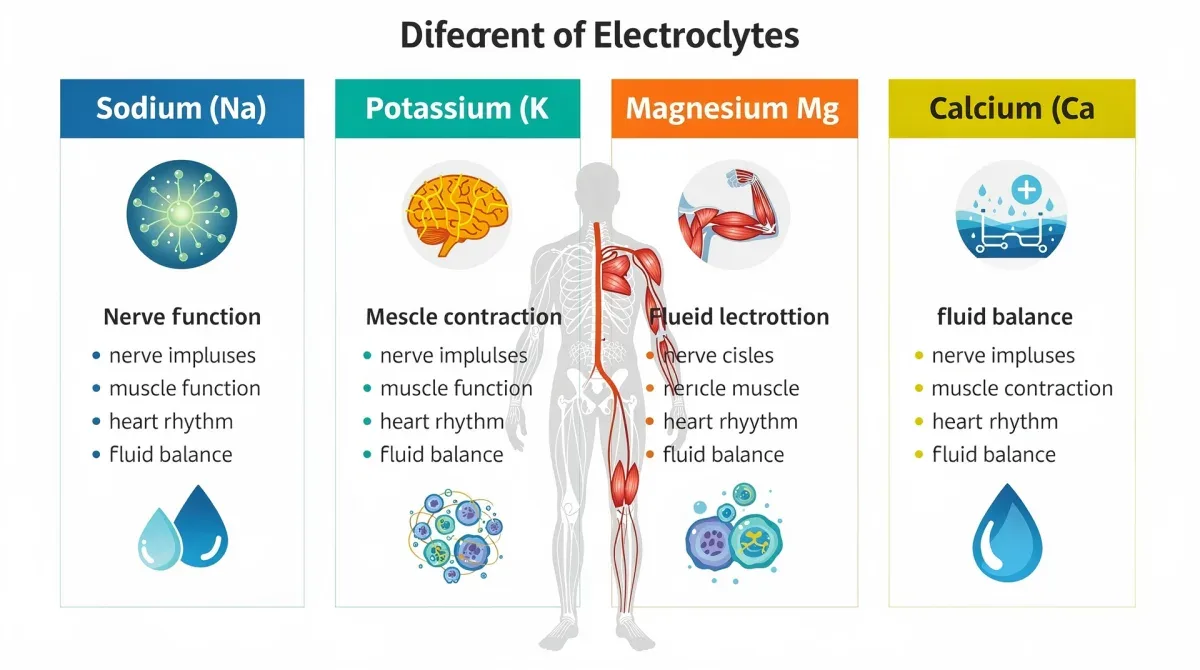
The intricate balance of these charged minerals dictates how efficiently our cells can generate and utilize energy. A deficiency or imbalance in any one electrolyte can throw the entire system off kilter, directly impacting our perceived energy levels. Therefore, understanding and actively managing our electrolyte intake is a proactive step towards sustained vitality and optimal bodily function.
The science behind specific electrolyte ratios and energy

The concept of simply consuming electrolytes is a good start, but the true power lies in understanding and applying specific electrolyte ratios. Our bodies are not generic machines; they operate on precise biochemical gradients. The ratio of sodium to potassium, for example, is critically important for the proper functioning of the sodium-potassium pump, a fundamental process that consumes a significant amount of the body's energy. An imbalance can disrupt cellular communication and energy production, leading to suboptimal performance.
Research suggests that a balanced ratio of sodium, potassium, and magnesium, in particular, can significantly enhance cellular energy efficiency. Sodium helps regulate extracellular fluid and nerve impulses, while potassium is key for intracellular fluid and muscle contractions. Magnesium, often overlooked, is a cofactor in ATP synthesis, directly influencing energy creation. Without these elements in proper proportion, cellular energy factories struggle to keep up with demand.
Optimal ratios for peak energy and performance
- Sodium to Potassium: While individual needs vary, a ratio close to 1:2 or 1:3 (sodium to potassium) is often recommended for general health and sustained energy, moving away from the high-sodium Western diet.
- Magnesium's Role: Adequate magnesium levels are crucial. Many people are deficient. Aim for a balanced intake relative to calcium, often around 1:2 (magnesium to calcium) or even 1:1 for specific therapeutic goals.
- Chloride and Bicarbonate: These also play roles in fluid balance and pH regulation, indirectly supporting energy metabolism. Their levels usually self-regulate with balanced sodium and potassium intake.
The notion of an '18% improvement' in daily energy levels, while a specific figure, highlights the significant impact that precise electrolyte balance can have. This isn't a magic bullet but rather a cumulative effect of optimizing numerous cellular processes. When your body isn't fighting against electrolyte imbalances, it can allocate more resources to energy production and maintenance, leading to a noticeable uplift in overall vitality and stamina throughout the day.
Achieving these optimal ratios isn't necessarily about complex calculations; it often involves a combination of a balanced diet rich in whole foods and, for some, targeted supplementation. The goal is to provide the body with the right tools, in the right amounts, to maximize its inherent energy-generating capabilities. This scientific approach moves beyond generic hydration advice to a more personalized and effective strategy for sustained energy.
Practical strategies for incorporating ideal electrolyte ratios
Translating the science of electrolyte ratios into daily practice doesn't have to be complicated. The key is mindful consumption, focusing on both the quality of your hydration and the nutritional content of your diet. While sports drinks offer a quick fix, they often come with excessive sugar and artificial ingredients. A more sustainable and healthier approach involves natural sources and, where necessary, carefully chosen supplements.
Start by evaluating your current diet. Are you consuming enough fruits, vegetables, and whole grains? These foods are naturally rich in essential electrolytes. For instance, bananas and avocados are potassium powerhouses, leafy greens are packed with magnesium, and a pinch of high-quality sea salt can provide necessary sodium along with trace minerals. The goal is to create a dietary foundation that naturally supports electrolyte balance.
Everyday methods for balanced electrolyte intake
- Mineral-Rich Water: Instead of plain tap water, consider filtered water with added trace minerals or a pinch of quality sea salt. You can also infuse water with fruits and vegetables.
- DIY Electrolyte Drinks: Combine water, a squeeze of lemon or lime juice, a pinch of sea salt, and a touch of honey or maple syrup for a natural, low-sugar option.
- Electrolyte Supplements: For those with higher needs (e.g., athletes, individuals in hot climates), consider electrolyte powders or tablets. Look for brands that disclose their ratios and avoid excessive sugar.
- Balanced Diet: Prioritize foods rich in potassium (sweet potatoes, spinach), magnesium (nuts, seeds, dark chocolate), and calcium (dairy, fortified plant milks).
Consistency is paramount. Just like any other aspect of nutrition, sporadic efforts yield minimal results. Integrating these strategies into your daily routine ensures a continuous supply of balanced electrolytes, allowing your body to maintain optimal function and energy levels. It's about building habits that support sustained well-being, rather than seeking temporary boosts.
Moreover, pay attention to your body's signals. Symptoms like persistent fatigue, muscle cramps, or lightheadedness could indicate an electrolyte imbalance. Consulting with a healthcare professional or a registered dietitian can provide personalized guidance, especially if you have underlying health conditions or specific dietary restrictions. Empowering yourself with these practical strategies transforms hydration from a passive act into an active pursuit of enhanced energy and health.
Common pitfalls in hydration and electrolyte management
Even with the best intentions, many individuals fall into common traps when trying to optimize their hydration and electrolyte intake. These pitfalls can undermine efforts to boost energy levels and can even inadvertently lead to imbalances that cause more problems than they solve. Understanding these common mistakes is crucial for developing truly effective smart hydration tactics.
One of the most prevalent errors is relying solely on plain water for rehydration, especially after intense physical activity or in hot weather. While water is essential, it doesn't replenish the electrolytes lost through sweat. This can lead to a condition known as hyponatremia (low sodium levels), which can cause fatigue, nausea, and in severe cases, more serious health complications. Another mistake is over-reliance on commercial sports drinks that are often laden with excessive sugar and artificial colors, providing a short burst of energy followed by a crash, and potentially contributing to other health issues.
Mistakes to avoid for optimal hydration
- Ignoring Thirst Cues: Waiting until you're parched means you're already mildly dehydrated. Sip water consistently throughout the day.
- Excessive Plain Water Intake: While rare, drinking too much plain water without adequate electrolyte intake can dilute existing electrolytes, leading to imbalances.
- Overlooking Dietary Sources: Neglecting fruits, vegetables, and whole grains, which are natural sources of electrolytes, means missing out on crucial support for balance.
- Blind Supplementation: Taking electrolyte supplements without understanding your specific needs or the product's ratios can lead to an excess of certain minerals and a deficiency in others.
- Focusing Only on Sodium: While important, sodium is just one piece of the puzzle. Potassium, magnesium, and calcium are equally vital for overall electrolyte balance and energy.
Another significant pitfall is a lack of awareness regarding personal needs. An office worker's electrolyte requirements differ vastly from those of a marathon runner or someone working outdoors in a humid climate. Generic advice rarely applies perfectly to everyone. Factors such as activity level, climate, diet, and individual physiology all play a role in determining optimal electrolyte intake. Without considering these variables, efforts to improve hydration may fall short of their intended goal.
By being aware of these common mistakes, individuals can refine their hydration strategies, moving beyond a one-size-fits-all approach to one that is truly smart and tailored to their unique physiological demands. This proactive avoidance of pitfalls is as important as implementing positive hydration habits for sustained energy and well-being.
Long-term benefits of sustained smart hydration
The immediate boost in energy from smart hydration tactics is compelling, but the true value lies in the long-term, cumulative benefits. Consistently maintaining optimal hydration and electrolyte balance contributes to a robust physiological foundation that supports not just energy levels but overall health, resilience, and cognitive function. This isn't merely a temporary fix; it's an investment in enduring wellness.
Over time, well-hydrated cells and balanced electrolytes lead to improved organ function, particularly for the kidneys, which play a crucial role in filtering waste and regulating fluid balance. Enhanced circulation ensures that oxygen and nutrients are efficiently delivered throughout the body, supporting everything from brain health to muscle recovery. This sustained cellular efficiency translates into greater stamina, reduced risk of chronic fatigue, and a more vibrant, energetic daily experience.
Cumulative advantages of consistent electrolyte balance
- Enhanced Cognitive Function: Optimal hydration supports brain health, leading to improved focus, memory, and mood regulation.
- Improved Physical Performance: Sustained electrolyte balance aids muscle function, reduces cramps, and enhances endurance, making physical activity more enjoyable and effective.
- Stronger Immune System: Well-hydrated cells are better equipped to fight off infections, contributing to overall immunity.
- Better Digestion: Adequate fluid intake and balanced electrolytes support healthy digestive processes, preventing constipation and improving nutrient absorption.
- Reduced Risk of Chronic Conditions: Long-term smart hydration can mitigate risks associated with kidney stones, urinary tract infections, and even some cardiovascular issues.

Beyond the physiological benefits, a consistent focus on smart hydration fosters a greater sense of self-care and body awareness. It encourages individuals to listen to their bodies, recognize subtle cues of imbalance, and proactively address them. This holistic approach empowers individuals to take charge of their health, moving beyond reactive measures to a preventative mindset that champions sustained vitality.
The long-term commitment to smart hydration and balanced electrolyte intake is a powerful strategy for anyone seeking to optimize their health and energy. It's a foundational element of a truly healthy lifestyle, offering benefits that extend far beyond a mere percentage increase in daily energy, contributing to a richer, more fulfilling life.
Integrating smart hydration into a holistic wellness routine
For smart hydration tactics to truly flourish and deliver their promised 18% energy boost, they must be seamlessly integrated into a broader, holistic wellness routine. Hydration isn't an isolated factor; it interacts synergistically with diet, exercise, sleep, and stress management. Viewing it as part of this larger ecosystem allows for maximum impact and sustained benefits, elevating overall well-being.
Consider how proper hydration complements a nutritious diet. When your cells are adequately hydrated and replete with electrolytes, they are better able to absorb and utilize the vitamins, minerals, and macronutrients from your food. Similarly, optimal hydration enhances the benefits of regular exercise, improving performance and aiding recovery, which in turn contributes to better sleep quality. It's a virtuous cycle where each element reinforces the others.
Synergistic elements of a holistic wellness plan
- Nutrition: Pair electrolyte-rich foods with your hydration strategy. Focus on whole, unprocessed foods that naturally support fluid and mineral balance.
- Physical Activity: Adjust electrolyte intake based on your activity level and sweat loss. Hydrate before, during, and after workouts.
- Quality Sleep: Dehydration can disrupt sleep patterns. Ensuring proper hydration, especially earlier in the day, can contribute to more restful nights.
- Stress Management: Stress can impact fluid balance and nutrient utilization. Incorporating mindfulness or relaxation techniques alongside smart hydration creates a more resilient system.
- Mindful Consumption: Pay attention not just to what you drink, but how you feel. Adjust your intake based on environmental factors, activity, and personal needs.
The goal is to create a lifestyle where smart hydration becomes an intuitive and integral part of your daily rhythm, rather than a chore. This might involve setting reminders to drink water, keeping an electrolyte-infused beverage handy, or consciously choosing meals that support mineral balance. By weaving these practices into your existing routines, you transform a simple habit into a powerful tool for sustained energy and vibrant health.
Ultimately, the journey towards optimal energy and well-being is multifaceted. Smart hydration, with its emphasis on specific electrolyte ratios, provides a potent leverage point within this journey. By consciously integrating these tactics into a comprehensive wellness approach, you unlock not just an 18% energy boost, but a foundation for a healthier, more energetic life.
| Key Point | Brief Description |
|---|---|
| Electrolyte Ratios | Specific balance of minerals like sodium, potassium, and magnesium is crucial for cellular energy. |
| Energy Boost | Optimizing these ratios can lead to a significant increase in daily energy levels, potentially up to 18%. |
| Practical Application | Incorporate through diet (fruits, vegetables), natural drinks, or targeted, balanced supplements. |
| Holistic Approach | Integrate smart hydration with diet, exercise, and sleep for overall wellness and sustained vitality. |
Frequently asked questions about smart hydration
What are electrolytes and why are they important for energy?▼Electrolytes are essential minerals like sodium, potassium, and magnesium that carry electrical charges. They are crucial for nerve function, muscle contraction, and maintaining fluid balance in cells. This balance directly supports the biochemical reactions that produce energy, making them vital for sustained vitality.
How do specific electrolyte ratios improve daily energy levels?▼Precise ratios of electrolytes, particularly sodium, potassium, and magnesium, optimize cellular processes like the sodium-potassium pump and ATP production. When these minerals are balanced, cells operate more efficiently, leading to enhanced energy generation and a noticeable increase in daily vitality.
Can I get enough electrolytes from my diet alone?▼Yes, many foods are rich in electrolytes. Fruits like bananas and avocados provide potassium, leafy greens offer magnesium, and quality sea salt supplies sodium. A balanced diet rich in whole foods can often meet your needs, but supplements may be beneficial for athletes or those with higher losses.
Are commercial sports drinks a good source of electrolytes?▼While commercial sports drinks contain electrolytes, many are high in sugar and artificial ingredients. Natural alternatives like coconut water, or homemade electrolyte drinks with lemon juice, sea salt, and a touch of honey, often provide a healthier and more balanced option without unnecessary additives.
What are the signs of an electrolyte imbalance?▼Common signs of electrolyte imbalance include persistent fatigue, muscle cramps or weakness, headaches, dizziness, and nausea. If you experience these symptoms, especially after sweating heavily, it might indicate a need to reassess your hydration and electrolyte intake. Consult a healthcare professional if symptoms persist.
Conclusion
The journey to sustained energy and optimal well-being is intricately linked to how we hydrate. Moving beyond mere water consumption, embracing smart hydration tactics by focusing on specific electrolyte ratios offers a scientifically grounded path to unlocking significant improvements in daily vitality. This strategic approach, which can boost energy levels by an impressive 18%, underscores the profound impact of balanced mineral intake on cellular function and overall physiological efficiency. By integrating natural sources, mindful practices, and, when necessary, targeted supplementation into a holistic wellness routine, individuals can cultivate a resilient, high-energy state that supports a vibrant and fulfilling life. It's time to hydrate smarter, live better, and experience the full potential of your body's inherent energy.
