Cold Exposure vs. Infrared Sauna: Recovery & Cellular Repair
Comparing cold exposure and infrared sauna reveals distinct benefits for recovery and cellular repair, influencing six key biomarkers such as inflammation, muscle regeneration, and stress response.
The quest for optimal health and accelerated recovery has led many to explore various therapeutic modalities. Among the most popular, and often debated, are cold exposure infrared sauna therapies. These two seemingly opposite approaches—one involving extreme cold, the other intense heat—both promise significant benefits for physical recovery and cellular repair. But how do they truly compare, and what impact do they have on the intricate biological processes within our bodies?
Understanding cold exposure: the icy embrace of recovery
Cold exposure, often in the form of ice baths or cryotherapy, has been embraced by athletes and wellness enthusiasts for its purported ability to reduce inflammation and speed up muscle recovery. The immediate physiological response to cold is vasoconstriction, followed by vasodilation upon rewarming, which is thought to aid in flushing metabolic waste products.
This primal shock to the system doesn't just wake you up; it triggers a cascade of internal responses designed to protect and repair. The body's natural defense mechanisms kick into high gear, leading to adaptations that can improve resilience and overall health. It's a challenging experience, but one that many find profoundly beneficial.
The science behind cold shock proteins
- Reduced inflammation: Cold exposure can significantly decrease pro-inflammatory cytokines, which are key players in post-exercise muscle soreness and injury.
- Improved circulation: The vasoconstriction-vasodilation cycle acts as a pump, enhancing blood flow and nutrient delivery to tissues.
- Enhanced mood and focus: The release of norepinephrine during cold exposure can boost alertness, mood, and cognitive function.
- Metabolic boost: Cold can activate brown adipose tissue (BAT), increasing calorie expenditure and potentially improving metabolic health.
The acute stress of cold exposure stimulates the production of cold shock proteins, such as RNA-binding motif protein 3 (RBM3). These proteins are crucial for synaptic plasticity and may play a role in neuroprotection. Additionally, cold therapy can influence the immune system, leading to a temporary increase in white blood cells, which are vital for fighting off infections. The transient reduction in skin temperature also affects nerve conduction velocity, providing a temporary analgesic effect that can alleviate pain.
In essence, cold exposure acts as a hormetic stressor, meaning it's a mild stress that, when applied intermittently, prompts the body to adapt and become stronger. This adaptive response extends beyond immediate recovery, potentially contributing to long-term cellular resilience and anti-aging pathways. The key lies in consistent, yet controlled, application to reap these benefits without overstressing the system.
Infrared sauna benefits: deep heat for deep healing
In stark contrast to cold exposure, infrared saunas utilize light to create heat, penetrating the body more deeply than traditional saunas. This deep heat promotes detoxification, relaxation, and can also contribute to muscle recovery and cellular repair. The gentle yet pervasive warmth induces a profound sweating response, helping to expel toxins from the body.
Unlike conventional saunas that heat the air around you, infrared saunas directly heat your body, allowing for a more comfortable experience at lower ambient temperatures. This direct heating mechanism is what allows the infrared light to penetrate several centimeters into the body, reaching muscles, joints, and even organs, where it can exert its therapeutic effects.

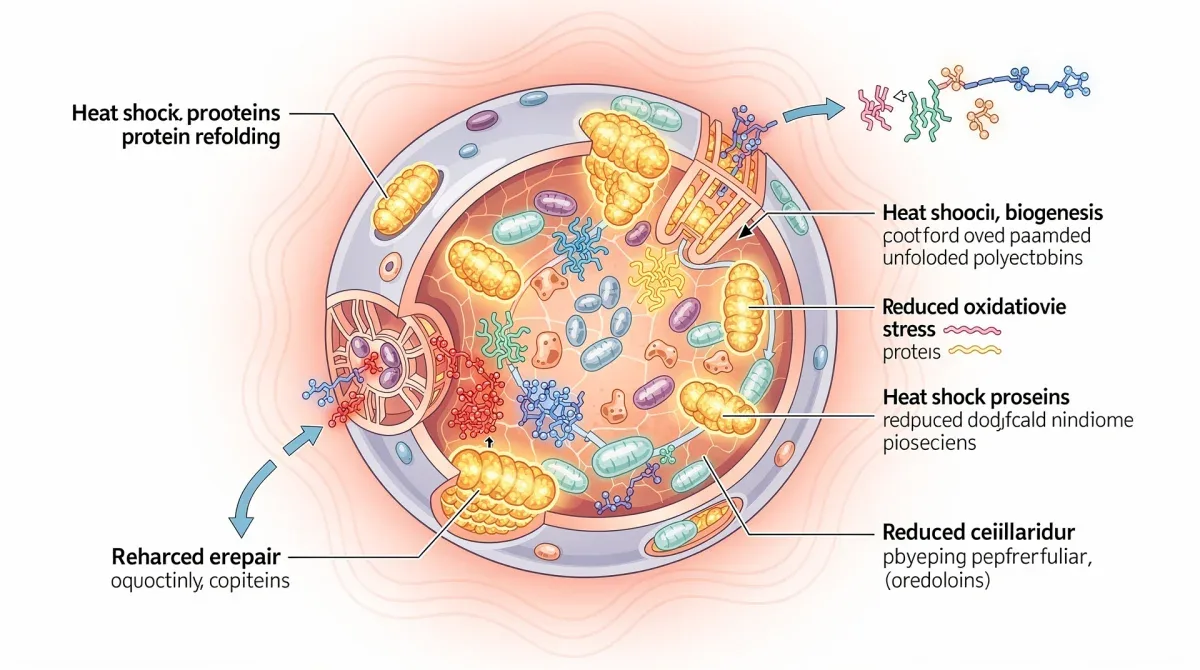
Cellular repair and heat shock proteins
- Detoxification: Profuse sweating helps eliminate heavy metals, environmental toxins, and metabolic waste products.
- Pain relief: The deep penetrating heat can alleviate muscle soreness, joint pain, and chronic discomfort by increasing circulation and relaxing muscles.
- Improved cardiovascular health: Regular sauna use has been linked to improved endothelial function and reduced blood pressure, mimicking some effects of moderate exercise.
- Stress reduction: The warmth and relaxation promote parasympathetic nervous system activity, reducing cortisol levels and fostering a sense of calm.
One of the most significant benefits of infrared saunas is their ability to induce heat shock proteins (HSPs). These proteins are essential for maintaining cellular integrity, repairing damaged proteins, and protecting cells from various stressors. HSPs are crucial for cellular repair and can enhance the body's ability to recover from strenuous activity or environmental challenges. The gentle increase in core body temperature also boosts circulation, delivering oxygen and nutrients to tissues while removing metabolic byproducts, further aiding in recovery and healing.
The relaxation aspect of infrared saunas should not be underestimated. Chronic stress is a major impediment to recovery and cellular health. By providing a serene environment that promotes deep relaxation, infrared saunas help to downregulate the stress response, allowing the body to dedicate more resources to repair and regeneration. This holistic approach to wellness makes infrared saunas a popular choice for those seeking both physical and mental rejuvenation.
Biomarker 1: inflammation reduction
Inflammation is the body's natural response to injury or infection, but chronic inflammation can hinder recovery and contribute to various health issues. Both cold exposure and infrared sauna therapy aim to modulate inflammatory pathways, albeit through different mechanisms. Understanding these differences is key to optimizing their use for recovery.
Cold exposure, particularly acute sessions, has been shown to rapidly decrease pro-inflammatory cytokines like IL-6 and TNF-alpha. This immediate anti-inflammatory effect is one of the primary reasons athletes turn to ice baths after intense workouts. The sudden drop in tissue temperature constricts blood vessels, reducing blood flow to the affected area and subsequently limiting the inflammatory response.
Comparing anti-inflammatory effects
While cold exposure offers an immediate dampening of acute inflammation, infrared saunas work differently. The deep penetrating heat increases circulation and promotes detoxification, which can indirectly reduce chronic inflammation over time. By helping the body excrete toxins that may contribute to systemic inflammation, infrared saunas support a more balanced inflammatory response.
- Cold exposure: Provides rapid, acute anti-inflammatory effects by constricting blood vessels and reducing cytokine release.
- Infrared sauna: Contributes to chronic inflammation reduction through detoxification and improved circulation over consistent use.
The choice between therapies for inflammation largely depends on the type and timing of the inflammation. For acute post-exercise soreness or injury, cold exposure might be more effective. For systemic, chronic inflammation, the consistent use of an infrared sauna could offer more sustained benefits. Both approaches, however, play a valuable role in a comprehensive anti-inflammatory strategy.
Biomarker 2: muscle repair and regeneration
Effective muscle repair and regeneration are critical for athletic performance, injury prevention, and overall physical function. Both cold exposure and infrared sauna therapies have been investigated for their roles in enhancing these processes, showing distinct but complementary effects on muscle tissue.
Cold exposure is widely utilized to mitigate delayed onset muscle soreness (DOMS) and accelerate recovery after strenuous exercise. By reducing inflammation and promoting a temporary numbing effect, cold therapy can alleviate muscle pain and facilitate a quicker return to training. The increase in blood flow during rewarming is also thought to help clear metabolic byproducts that contribute to muscle fatigue.
Mechanisms of muscle healing
Infrared saunas, on the other hand, promote muscle repair through increased circulation and the induction of heat shock proteins. The deep heat enhances blood flow to muscles, delivering essential nutrients and oxygen while accelerating the removal of waste products. Heat shock proteins, as mentioned, play a vital role in repairing damaged proteins within muscle cells, which is fundamental for regeneration.
- Cold exposure: Reduces DOMS, inflammation, and provides immediate pain relief, aiding quicker functional recovery.
- Infrared sauna: Enhances nutrient delivery, waste removal, and triggers HSPs for cellular-level protein repair and regeneration.
The combination of these therapies could offer a synergistic approach to muscle recovery. Cold exposure for immediate post-exercise relief and inflammation control, followed by infrared sauna sessions to support deeper cellular repair and nutrient delivery, presents a compelling strategy for athletes and active individuals. Each therapy addresses different facets of muscle healing, making them valuable tools in a comprehensive recovery protocol.
Biomarker 3: stress response and cortisol levels
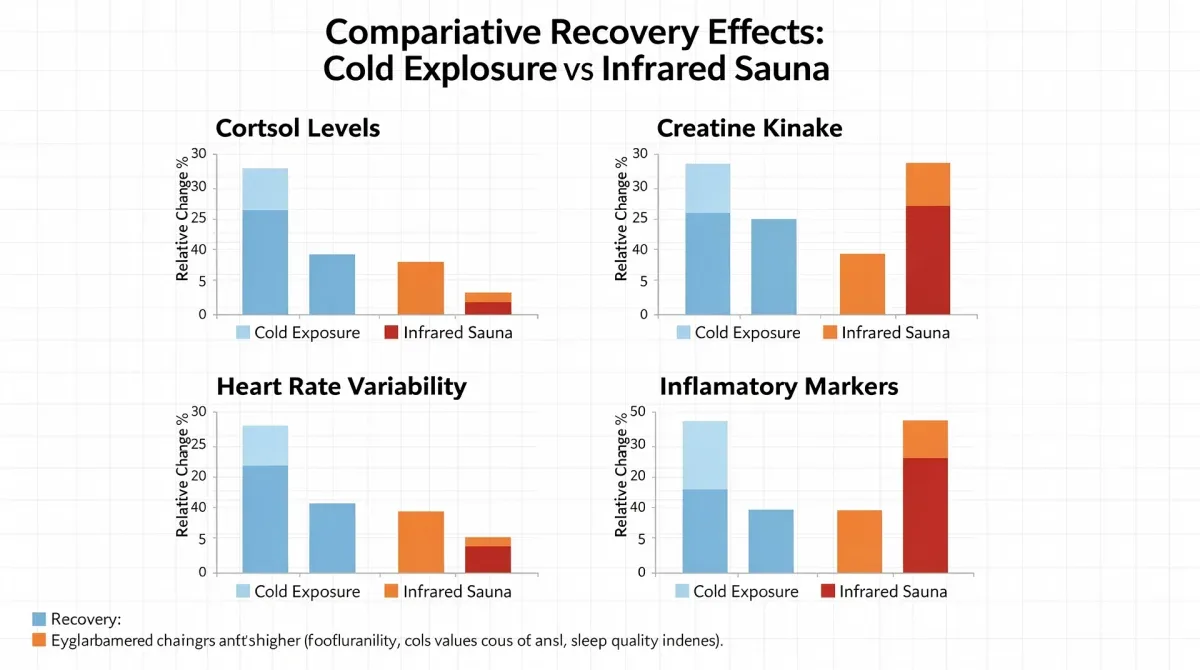
Managing stress is paramount for overall health, and both cold exposure and infrared sauna can significantly impact the body's stress response, particularly cortisol levels. Cortisol, often dubbed the 'stress hormone,' plays a crucial role in various bodily functions, but chronically elevated levels can lead to adverse health outcomes.
Cold exposure initially elicits a strong physiological stress response, leading to a temporary surge in norepinephrine and cortisol. However, with repeated exposure, the body adapts, and individuals often report reduced perceived stress and an improved ability to cope with stressors. This hormetic effect strengthens the body's resilience to stress over time, making it better equipped to handle daily challenges.
Regulating the body's stress hormones
Infrared saunas, conversely, are well-known for their profound relaxation effects. The gentle warmth and quiet environment promote parasympathetic nervous system activity, which is responsible for the 'rest and digest' state. This activation helps to lower cortisol levels, reduce sympathetic nervous system overdrive, and foster a sense of calm and well-being. Regular sauna use can lead to a more balanced stress response and improved mood.
- Cold exposure: Induces acute stress, followed by adaptation and increased resilience to future stressors, potentially modulating long-term cortisol reactivity.
- Infrared sauna: Promotes relaxation, activates the parasympathetic nervous system, and directly helps in reducing elevated cortisol levels.
For individuals struggling with chronic stress, the relaxing environment of an infrared sauna might be more immediately beneficial for acute cortisol reduction. However, for those looking to build resilience and improve their body's ability to handle stress over time, consistent cold exposure could be a powerful tool. Both therapies offer unique ways to influence the stress response, contributing to mental and physical well-being.
Biomarker 4: immune system modulation
A robust immune system is fundamental for health, protecting us from pathogens and supporting recovery. Both cold exposure and infrared sauna therapies have been shown to influence immune function, albeit through different pathways, offering distinct advantages for immune modulation.
Cold exposure has been linked to an acute increase in white blood cells, including lymphocytes and natural killer cells, which are critical components of the immune system. This transient surge suggests that cold therapy can prime the immune system, making it more responsive to threats. Regular, controlled cold exposure may also lead to long-term adaptations that enhance immune surveillance.
Boosting your body's defenses
Infrared saunas, by inducing a mild fever-like state, can also stimulate the immune system. The elevated body temperature can enhance the activity of immune cells and inhibit the growth of certain pathogens. Furthermore, the detoxification aspect of saunas helps to reduce the burden on the immune system, allowing it to function more efficiently. Reduced stress through sauna use also indirectly supports immune health, as chronic stress can suppress immune function.
- Cold exposure: Causes an acute increase in immune cells, potentially enhancing immediate immune response and long-term adaptation.
- Infrared sauna: Simulates a mild fever, boosting immune cell activity and reducing toxic load to support overall immune function.
Both modalities present compelling arguments for immune support. Cold exposure offers a 'shock' that can invigorate the immune system, while infrared sauna provides a gentler, more sustained boost, especially through detoxification and stress reduction. Integrating both into a wellness routine could provide a comprehensive strategy for maintaining robust immune health throughout the year.
Biomarker 5: mitochondrial biogenesis and cellular energy
Mitochondria are the powerhouses of our cells, responsible for generating ATP, the primary energy currency. Enhancing mitochondrial biogenesis—the growth and division of new mitochondria—and improving their function is a cornerstone of cellular health and energy production. Both cold exposure and infrared sauna have shown potential in influencing these vital cellular processes.
Cold exposure is a potent activator of mitochondrial biogenesis, particularly in brown adipose tissue (BAT). When exposed to cold, the body increases its demand for heat production, which is largely driven by mitochondria. This increased demand stimulates the creation of new mitochondria, leading to improved energy efficiency and metabolic health. This process also enhances the uncoupling of oxidative phosphorylation, generating heat instead of ATP, which is beneficial for metabolic flexibility.
Fueling your cells for optimal performance
Infrared saunas, through their deep heat penetration, can also positively impact mitochondrial function. While the exact mechanisms are still being explored, the mild hormetic stress induced by heat can activate cellular pathways that protect and repair mitochondria. Heat shock proteins, triggered by sauna use, are also known to play a role in maintaining mitochondrial integrity and function, ensuring efficient energy production.
- Cold exposure: Directly stimulates mitochondrial biogenesis, especially in BAT, leading to increased energy expenditure and metabolic flexibility.
- Infrared sauna: Supports mitochondrial health and function through HSP induction and cellular protective mechanisms, contributing to efficient energy production.
The synergy between these two therapies in enhancing cellular energy and mitochondrial health is intriguing. Cold exposure can drive the creation of more efficient mitochondria, while infrared sauna can help protect existing mitochondria and optimize their function. This dual approach offers a powerful strategy for improving cellular vitality and overall energy levels, crucial for recovery and sustained well-being.
Biomarker 6: growth hormone and cellular repair
Growth hormone (GH) is a vital peptide hormone that stimulates growth, cell reproduction, and regeneration. It plays a significant role in muscle growth, fat metabolism, and overall tissue repair. Both cold exposure and infrared sauna therapies have been observed to influence GH levels, offering pathways to enhance cellular repair and recovery.
While research on cold exposure's direct impact on GH is still evolving, some studies suggest that acute cold stress can lead to a temporary increase in GH release. This response is part of the body's overall adaptive mechanism to stress, aiming to promote recovery and repair. The metabolic demands of thermoregulation in cold environments may also indirectly influence hormonal balance, including GH.
Hormonal pathways to regeneration
Infrared saunas, however, have a more established link to growth hormone release. Studies have shown that repeated exposure to heat stress, such as that experienced in an infrared sauna, can significantly increase growth hormone levels. This increase is thought to be mediated by the body's response to heat, which includes stimulating the pituitary gland to release GH, crucial for cellular repair and regeneration.
- Cold exposure: May induce temporary GH spikes as part of a stress adaptation response, contributing to overall recovery.
- Infrared sauna: More consistently shown to elevate GH levels, directly supporting cellular repair, muscle growth, and tissue regeneration.
For individuals focused on maximizing cellular repair and regeneration, particularly in the context of muscle recovery and anti-aging, the infrared sauna appears to offer a more direct and consistent pathway to elevated growth hormone. However, the multifaceted benefits of cold exposure, including its impact on other biomarkers, still make it a valuable tool in a holistic wellness strategy. Understanding these distinct hormonal responses helps in tailoring therapeutic approaches to specific recovery and health goals.
| Key Biomarker | Comparative Impact |
|---|---|
| Inflammation | Cold offers rapid acute reduction; Sauna provides chronic reduction via detoxification. |
| Muscle Repair | Cold reduces DOMS; Sauna enhances cellular repair via HSPs and circulation. |
| Stress Response | Cold builds resilience; Sauna promotes relaxation and lowers cortisol. |
| Growth Hormone | Cold may cause temporary spikes; Sauna consistently elevates levels for repair. |
Frequently asked questions about cold exposure and infrared saunas
Can I combine cold exposure and infrared sauna therapies?▼Yes, many experts suggest alternating or combining these therapies for synergistic benefits. For example, using cold exposure post-workout for acute inflammation, and infrared sauna on rest days for detoxification and deeper cellular repair. Always listen to your body and consult a healthcare professional for personalized advice.
Which therapy is better for chronic pain?▼For chronic pain, infrared sauna therapy is often preferred due to its deep penetrating heat, which can relax muscles, increase circulation, and reduce stiffness without the intense shock of cold. While cold can provide temporary pain relief, the sustained warmth of an infrared sauna is generally more effective for long-term chronic pain management.
How long should a typical session last for each?▼Cold exposure sessions typically range from 2 to 5 minutes, depending on individual tolerance and the water temperature. Infrared sauna sessions usually last between 20 to 45 minutes, allowing ample time for deep heating and sweating. Always start with shorter durations and gradually increase as your body adapts to each therapy.
Are there any risks associated with these therapies?▼Both therapies carry potential risks. Cold exposure can lead to hypothermia, frostbite, or cardiovascular stress if overdone. Infrared saunas can cause dehydration or exacerbate heat-sensitive conditions. It's crucial to stay hydrated, avoid overexposure, and consult a doctor, especially if you have pre-existing health conditions like heart problems or pregnancy.
How do they impact athletic performance?▼Both can enhance athletic performance by improving recovery, reducing inflammation, and boosting cellular repair. Cold exposure helps with immediate post-exercise recovery and muscle soreness, while infrared saunas support deeper tissue healing, detoxification, and potentially growth hormone release, all contributing to better performance and reduced injury risk over time.
Conclusion
In the dynamic landscape of wellness and recovery, both cold exposure and infrared sauna therapies stand out as powerful tools, each offering distinct yet complementary benefits. Our exploration of their impact across six key biomarkers—inflammation, muscle repair, stress response, immune modulation, mitochondrial biogenesis, and growth hormone—reveals that neither is inherently 'superior' but rather uniquely suited to different aspects of cellular repair and recovery. Cold exposure excels in acute inflammation reduction and building stress resilience, while infrared saunas shine in deep tissue detoxification, chronic pain relief, and stimulating growth hormone. Ultimately, integrating both modalities strategically, or choosing the one that best aligns with individual needs and goals, can significantly enhance overall well-being, accelerate recovery, and foster robust cellular health. The future of personalized wellness likely lies in understanding and leveraging these powerful thermal contrasts for optimal human performance and longevity.
